Quick answer
The best benefits of music lessons for kids are usually visible in the work itself: a child learns to listen closely, coordinate a new skill, return to a hard spot, express an idea, and share progress with other people. Those gains grow from active, well-matched teaching over time. Music lessons are not a shortcut to perfect grades or instant confidence, but they can give a child a meaningful place to practice attention, persistence, and self-expression.
Music Gives Listening A Real Job
A child is not only hearing sounds. They are learning how to notice, predict, and respond.
In an early lesson, listening can mean matching a teacher’s clap, hearing whether two notes sound the same or different, waiting for a cue, or noticing when the beat changes. On an instrument, it can mean adjusting a finger, bow, breath, or hand position after hearing the result. Those small moments make attention active instead of passive.
A longitudinal review published through the National Library of Medicine found that children receiving music training showed stronger performance in music-relevant auditory skills than comparison groups after two years. That does not mean every child will develop in the same way. It does help explain why a lesson built around careful listening can feel so different from simply having music on in the background.
Listening also teaches a child that feedback is useful. A missed rhythm or scratchy sound is not a label about ability. It is information: slow down, change one movement, listen again, and let the next attempt tell you something new. That mindset can make correction feel less personal and more productive.
At home, parents can support this without turning practice into a quiz. Ask, “Which note sounds higher?” “Can you find the steady beat?” or “What changed when you played that more softly?” A teacher can then connect the answer to the week’s actual assignment. That shared language makes early music theory feel useful instead of abstract.
A Weekly Challenge Can Build Persistence
Music makes effort visible because a child can hear a difficult passage become more settled.
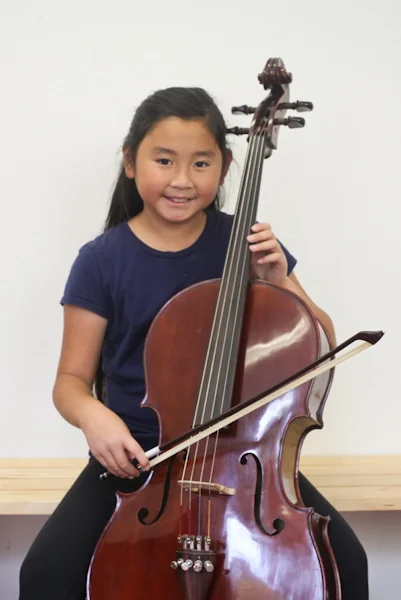
Most children do not begin a lesson able to play a whole song smoothly. They learn to slow down, isolate one small section, try a new approach, and return to it later. The useful lesson is not that struggle disappears. It is that a hard thing can become more familiar through a workable plan.
That is why a realistic routine matters more than a heroic one. A child who has ten focused minutes on several days can learn to begin, notice one problem, and finish a small job. Families who are working through daily friction can use Amabile’s guide to helping kids practice piano without a daily battle. For another instrument, the same principle holds: clear assignments and patient repetition beat vague pressure to “practice more.”
Keep the expectation proportional to the child’s age, schedule, and current assignment. A young beginner may need help opening the book and getting started. An older student may be ready to plan their own short session. Neither approach is a measure of talent. They are stages in learning how to learn.
Music Can Support Self-Regulation, With Some Important Limits
Rhythm, turn-taking, movement, and focused repetition ask children to manage attention in the moment.
Researchers are still careful about what transfers from music training into other parts of a child’s life. A recent systematic review and meta-analysis of preschool music training found positive effects on executive-function skills such as inhibitory control, working memory, and cognitive flexibility. The studies varied in format, intensity, and child needs, so the result is not a guarantee for an individual family.
The practical takeaway is simpler. A good class or lesson gives a child repeated chances to stop, start, wait, remember a pattern, recover from a miss, and try again. For younger children, this often works best through singing, movement, games, and short turns. Amabile’s Little Mozart program is designed around that kind of playful foundation before a child is expected to manage the demands of private study.
If your child is already overwhelmed by a packed schedule, more activities are not automatically better. The right music experience should leave room for curiosity and rest. A trial lesson is a useful chance to see whether the pace, teacher, and format feel like a fit.
Sharing Music Helps Confidence Become Specific
Confidence grows more reliably from real evidence than from being told to feel confident.
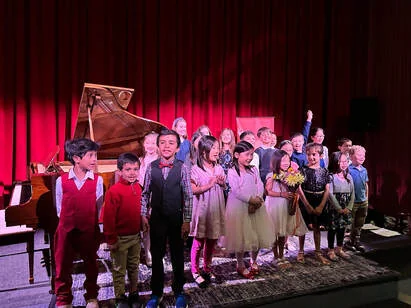
A child who plays one phrase more steadily than last week, sings a song for a grandparent, or joins a small class activity has evidence of growth. The moment may be quiet. It still matters. Music gives children many chances to prepare something, share it, make a mistake, recover, and notice that they are still okay.
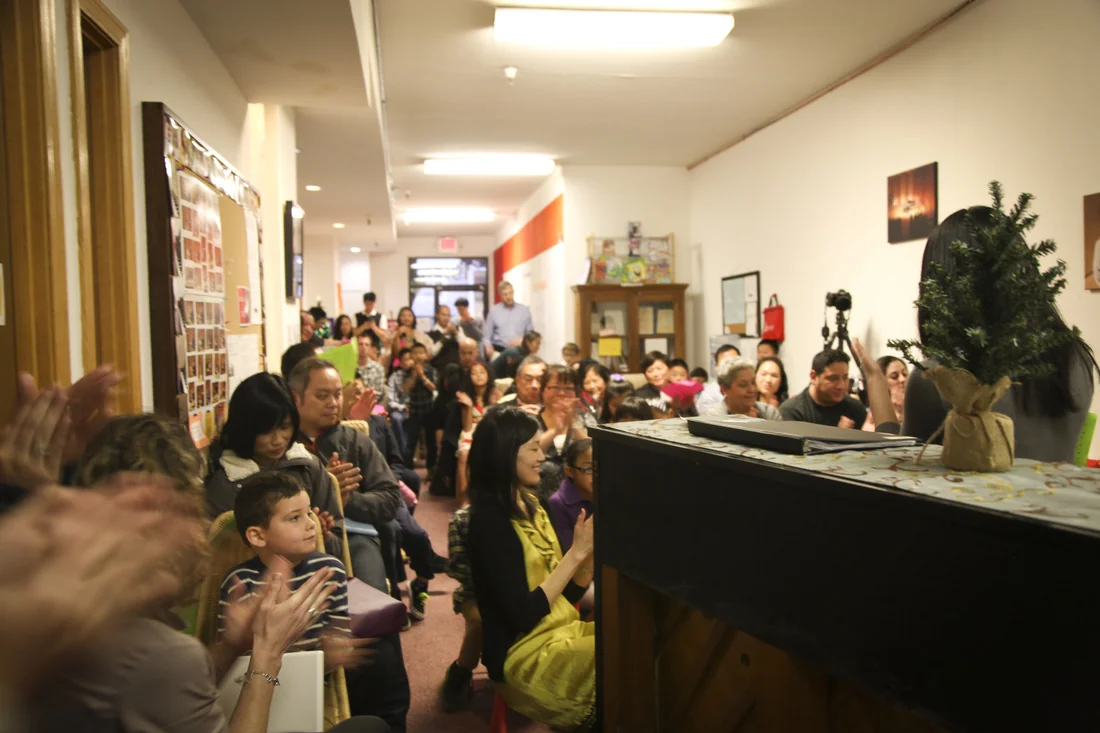
Recitals can be part of that process when they are framed well. They are not a verdict on whether a child is talented. They are a chance to practice preparation, presence, and recovery in a supportive setting. Families can use the school’s piano recital preparation guide for a calm plan, then explore Amabile’s recital opportunities when a student is ready to share.
Confidence also looks different across ages. One child may love a small audience. Another may need time, a duet, or a more informal way to participate. A thoughtful teacher can create a next step that stretches the student without making music feel like a test.
The Right Lesson Builds Expression, Not Just Correct Notes
Technique matters because it helps a student make the sound they intend.
Children use music to make choices: fast or slow, soft or strong, smooth or bouncy, serious or playful. Those choices give a child language for what they hear and feel, even before they have the vocabulary to explain it. A teacher’s job is to connect that expression to concrete skills such as posture, rhythm, reading, tone, and phrasing.
The National Association for Music Education describes young children’s musical engagement as part of their play, routines, and relationships, and emphasizes developmentally appropriate experiences guided by a knowledgeable educator. Its early childhood music position is a useful reminder that the goal is not to rush a child into adult expectations. It is to invite meaningful participation at the child’s current stage.
That is one reason instrument choice does not need to be perfect on day one. Piano, voice, violin, guitar, drums, and other instruments ask for different kinds of coordination and offer different ways in. Parents can start with the school’s guide to choosing music lessons for kids, then use a trial lesson to see what holds the child’s interest.
What a Useful First Few Months Can Look Like
Early progress is easier to recognize when families know what to look for.
In the first few months, a child may learn a short song, a steady beat, several hand shapes, simple note patterns, or how to enter and exit a lesson routine. Those are real milestones, even if they do not look like a polished concert piece yet. A good teacher will make the next target clear enough that the student and family can recognize the change.
For a young beginner, progress may look like singing back a short phrase, stopping when the music stops, taking a turn with a drum, or remembering a classroom song. For an elementary-age student, it may look like reading a few notes, using both hands in a piano piece, keeping a bow in a more comfortable path, or returning to a tricky line without being prompted. For an older beginner, it may be choosing a song, building a practice routine, and learning how to listen back with curiosity instead of embarrassment.
Parents do not need to measure every week against a sibling, another student, or a video online. A better question is, “What can my child do more independently or musically than a few weeks ago?” That keeps attention on growth and helps a child feel seen for the actual work they are doing.
It also makes room for normal plateaus. A new skill can look messy before it settles. If a child is enjoying the lesson but needs more time with rhythm, coordination, reading, or practice, that is information for the teacher, not a reason to declare that lessons are failing. A regular check-in keeps the plan honest and manageable.
Healthy Teaching Protects the Joy of Learning
A strong program takes care of the child as well as the skill.
Music should not ask children to push through pain, strain, or relentless pressure. The National Association for Music Education’s health guidance calls out appropriate warm-ups, rest during intensive repetition, and attention to posture as part of responsible instruction. Voice teachers also need to respect a student’s developing instrument rather than treating loudness or range as a contest.
Families can look for a teacher who gives clear feedback, notices discomfort, and changes the plan when something is not working. The school’s faculty page and program guide can help parents begin that conversation. A child does not need to be naturally fearless, perfectly focused, or immediately committed to a lifelong path to benefit from a thoughtful start.
It is also reasonable for a family to change course. A different instrument, shorter lesson, group setting, teacher, practice time, or temporary pause may be a better answer than forcing the original plan. Good teaching makes those adjustments feel like useful information, not failure. The goal is a sustainable relationship with music, not a perfect schedule.
The most useful sign is often simple: does your child leave with one understandable next step and a reason to come back? That combination gives learning a better chance to last.
How Amabile Helps Children Build a Musical Foundation
The best fit starts with the student in front of you, not a one-size-fits-all plan.
Amabile School of Music offers early childhood learning, private lessons, online options, and recital opportunities so families can choose a starting point that matches a child’s age, interests, and schedule. Teachers can help turn broad goals into practical weekly work, whether a student is curious about piano, voice, strings, guitar, drums, or another instrument.
The first conversation can cover more than an instrument choice. It can include how your child responds to structure, whether they prefer a group or individual setting, what time of day gives them the best energy, and what kind of music makes them curious. That context helps the teacher create an entry point that is both welcoming and useful.
Families can explore music lessons for kids, review lesson options and tuition, meet the faculty, or book a trial lesson. A good first experience does not need to predict every future goal. It needs to give a child a safe, engaging way to begin making music.
Frequently Asked Questions
Are music lessons worth it for kids?
Music lessons can be worth it when the format, teacher, and expectations fit the child. The strongest benefits usually come from regular active participation, a manageable practice plan, and a learning environment where the child feels supported enough to keep trying.
What age can a child start music lessons?
Many young children can begin with play-based music and movement experiences before they are ready for formal private lessons. Private study often begins when a child can focus for a short lesson, follow simple directions, and has enough interest to return to a weekly routine. A trial lesson can help a family decide.
Do music lessons make kids smarter?
Music learning can support skills such as listening, attention, memory, and self-regulation, but it is not a guaranteed shortcut to higher grades or a specific outcome. It is most helpful to choose lessons because the child can engage with music and build skills over time.
How much should a child practice?
The right amount depends on the child’s age, instrument, assignment, and attention span. Many beginners do best with short, focused sessions on several days each week. A teacher can set a target that builds consistency without making practice feel overwhelming.
Related Reading
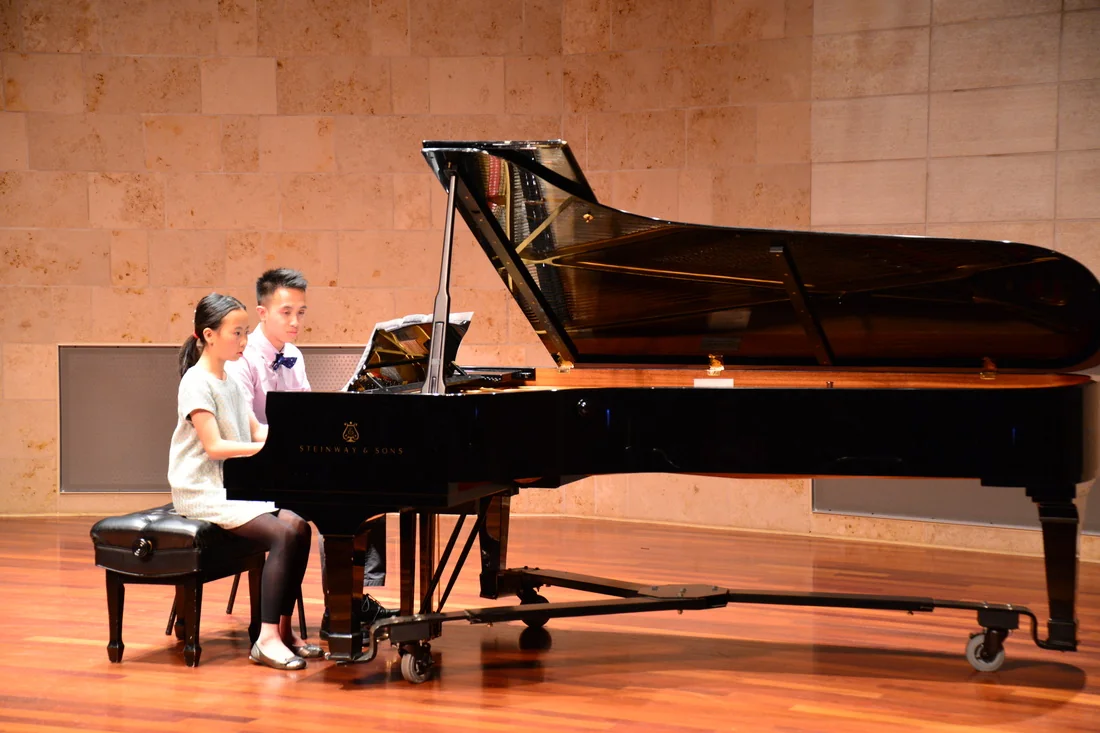 How To Choose Music Lessons for KidsCompare instruments, lesson formats, teacher fit, and the questions worth asking first.
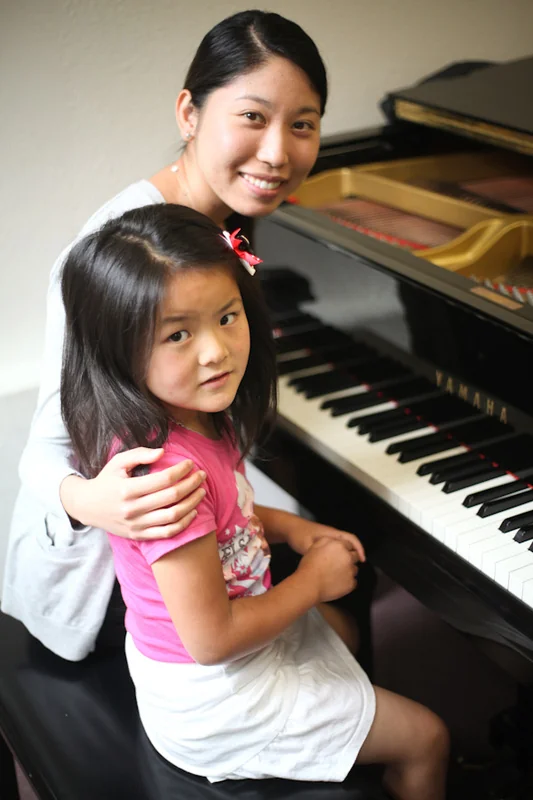 What Age To Start Music Lessons?See readiness signs and when a play-based class may be the better beginning.
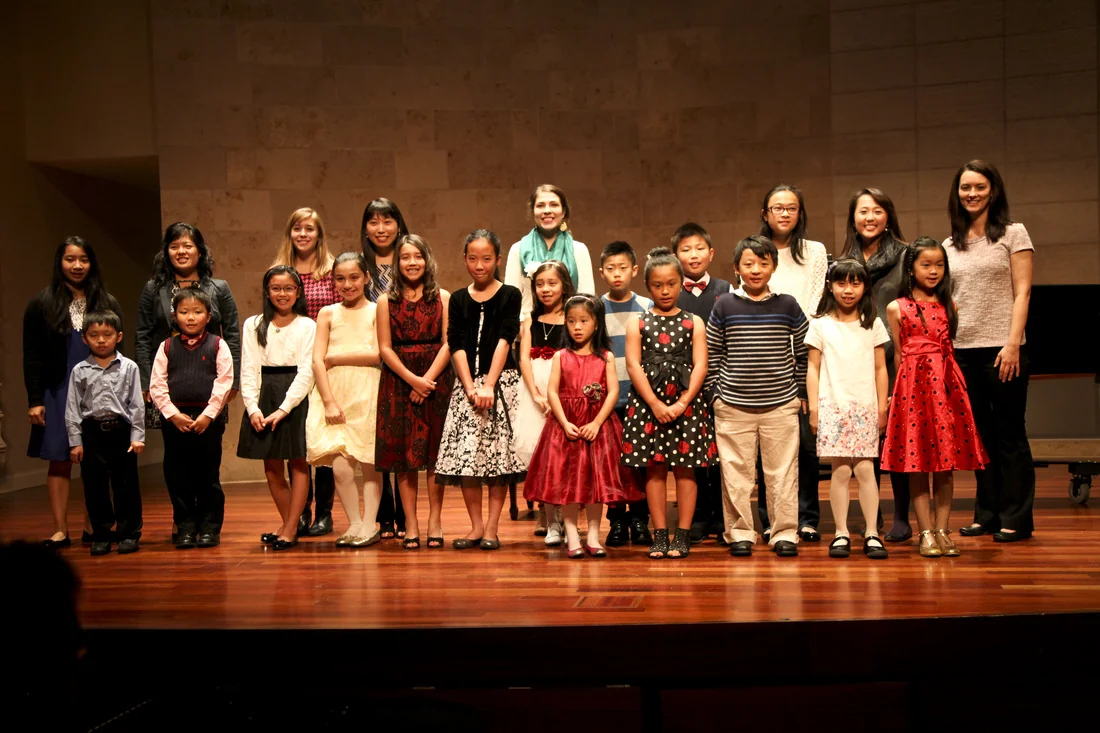 Music Lessons for Kids: Parent QuestionsGet practical answers about instruments, practice, costs, recitals, and more.