Quick answer
Choose music lessons by starting with the child, not the instrument. Look for genuine curiosity, a lesson format that fits their age and attention, a teacher who explains clearly, a realistic practice routine, and a school that can give the student meaningful next steps. A trial lesson is the simplest way to see whether those pieces work together.
Start With Your Child's Interest
Interest gives a beginner a reason to return after the novelty of the first lesson wears off.
Ask what your child is drawn to when music is already part of the day. Do they sing along to everything? Tap rhythms on the table? Watch guitar players closely? Stop to listen when they hear piano? Their answer does not need to be permanent. It simply gives the first lesson a useful starting point.
Parents sometimes worry that choosing the wrong instrument will waste time. In reality, a good first experience can still build listening, rhythm, coordination, confidence, and practice habits, even if the child later changes direction. The bigger risk is choosing something entirely for the adult and then wondering why the child has no reason to practice.
Piano is often a welcoming first instrument because children can make a clear sound immediately and see the keyboard pattern. Violin can suit children who are excited by its sound and are ready for careful physical setup. Guitar, drums, and voice can also be strong choices when the child's interest, body size, and lesson approach line up. Amabile's program overview makes it easier to compare the available paths.
Match the Format to Their Readiness
The best first format is the one your child can use well right now, not the most advanced-looking option.
A child who loves music is not automatically ready for a long private lesson. Private instruction works best when a student can listen to a teacher, try a short task, accept gentle correction, and return to an activity after a small mistake. Those skills develop at different speeds, and that is normal.
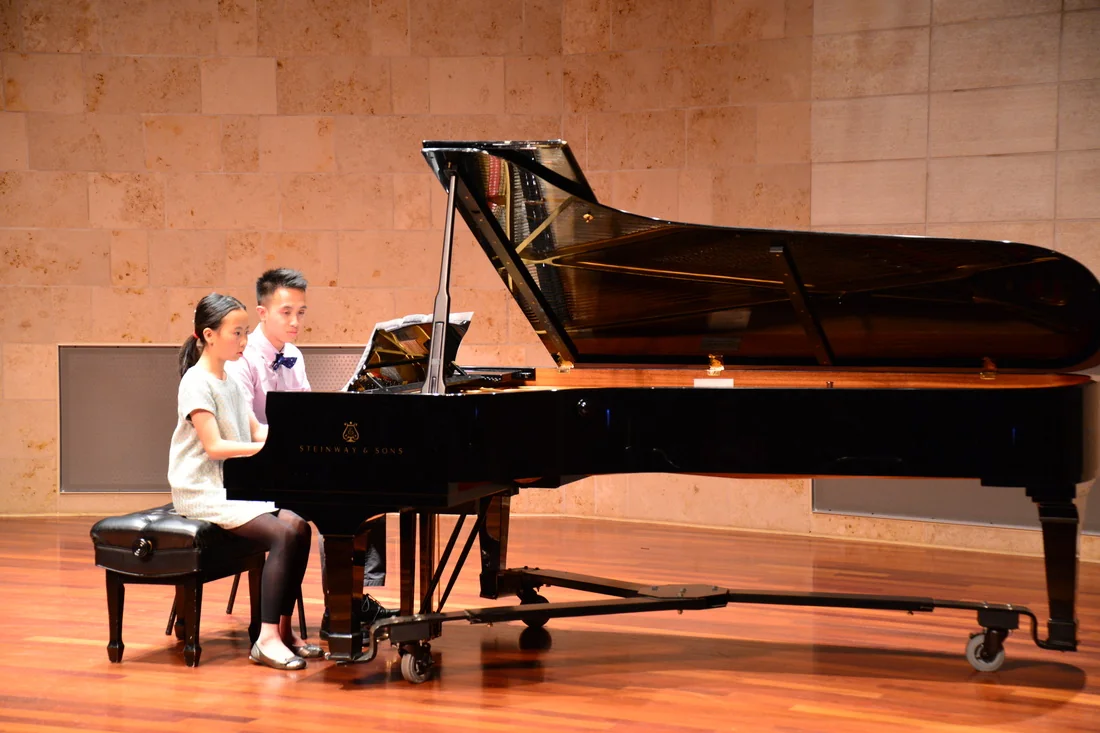
For younger children, a playful group class can be the better start. Singing, movement, rhythm games, and simple keyboard activities build musical foundations without expecting a preschooler to sit through an adult-style lesson. Children who are ready for more one-on-one focus may thrive in private lessons, where the teacher can adapt the pace and repertoire to the student.
The National Association for Music Education's guidance for young children emphasizes active, playful musical experiences that involve singing, moving, listening, and making music. That is a useful lens for parents: the first format should make your child want to participate, not simply look serious on paper.
For a closer look at timing, read what age children can start music lessons. This guide is about the larger choice, including what happens after you decide your child is ready to begin.
Look for a Teacher Who Fits the Student
A child needs more than a skilled musician. They need someone who can make the next step understandable.
Good teachers pay attention to the student in front of them. They know when to slow down, when to make a task more playful, and when to add challenge. They give specific feedback instead of vague instructions, and they leave the family knowing what to try at home before the next lesson.
During an introductory conversation or trial, listen for concrete answers. How will the teacher structure a first lesson? What does practice look like for this age? How do they communicate with parents? What happens if the teacher match does not feel right? The Music Teachers National Association recommends asking about teaching experience, lesson structure, policies, and the chance to observe or visit before committing. Its parent guide is a helpful checklist.
A teacher does not need to perform tricks to keep a child engaged. The stronger sign is a calm, organized lesson where the child understands what they are doing and leaves with one or two achievable goals. Families comparing piano instructors can use Amabile's guide to finding a piano teacher for more detailed trial-lesson questions.
Choose a Lesson Length and Schedule You Can Keep
Consistency beats the perfect plan that only survives two busy weeks.
Lesson length should reflect the child's age, focus, and goals. Many young beginners do well with 30 minutes. As students take on more reading, technique, repertoire, and preparation for performances, 45 or 60 minutes can give them more room to work without rushing. A longer lesson is not automatically better if the student is not ready to use the extra time. The right pace should leave the student energized enough to come back next week.
Schedule matters just as much. Look honestly at travel time, schoolwork, sports, family routines, and the time you can protect for short practice sessions. A weekly lesson at a manageable time usually has more value than a theoretically better option that keeps getting skipped.
Amabile's tuition and lesson-length information can help families compare the available options. The school also offers San Francisco, Moraga, and online formats, which can make consistency easier when the family schedule changes.
Ask What Happens Between Lessons
The first year gets easier when everyone knows what progress looks like at home.
For children, practice should be short, specific, and repeatable. A strong teacher gives an assignment a parent can understand without needing to be a musician. That might mean clapping one rhythm, playing four measures slowly, or singing one short phrase. “Practice more” is not a plan, it is an evasion wearing a sweater vest.
Ask how many days of practice are realistic, what the parent's role should be, and how the teacher will adjust when a week goes badly. The right answer will differ by age and instrument, but it should sound practical. A child who can finish a small assignment and notice improvement is more likely to build confidence than one who faces an undefined 30-minute struggle every evening.
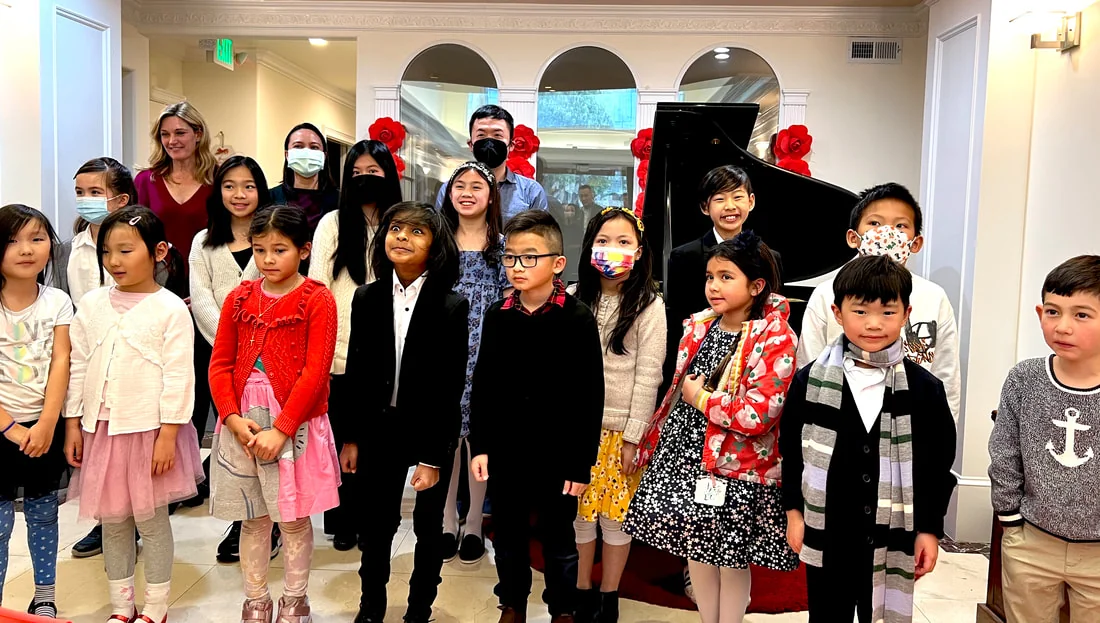
Students also benefit from a reason to prepare. Recitals and informal performance opportunities can give practice a clear purpose and help children get comfortable sharing music. The school's recital and performance opportunities show how those milestones can fit naturally into a longer learning path.
Use a Trial Lesson to Test the Fit
A trial moves the decision from promises to a real experience.
A website can tell you a school teaches your child's instrument. A trial lesson can show you whether the child feels comfortable with the teacher, whether the room and pace feel welcoming, and whether the school has a sensible recommendation for the next step.
After the lesson, ask your child simple questions. What did you like? What was easy or hard? Would you want to go back? Then use your own observations. Did the teacher speak directly to your child? Were the instructions understandable? Did the teacher notice something specific about the student's interests or readiness? Did you leave with clarity rather than pressure?
One nervous first meeting does not mean the fit is wrong. Many children need a few minutes to warm up. But a good trial should still leave the family with a concrete picture of what lessons could become.
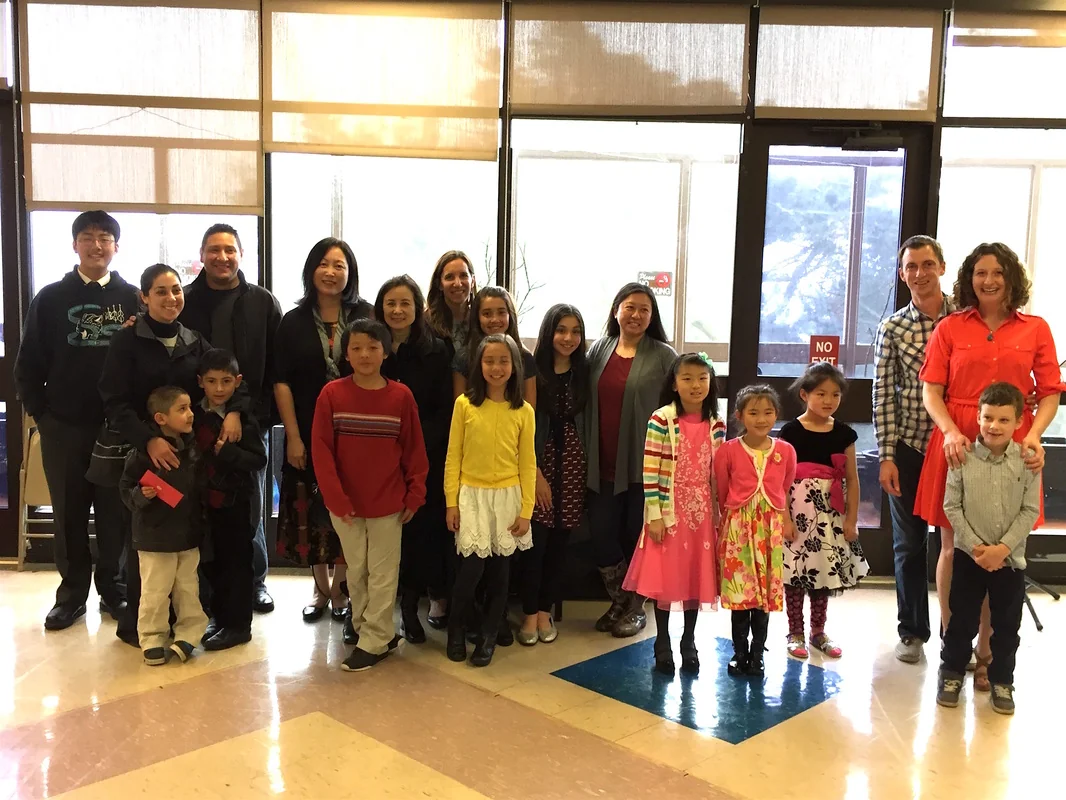
A Simple Music Lesson Checklist for Parents
Use these questions to compare options without getting lost in marketing claims.
- What does my child seem genuinely interested in learning?
- Is private instruction, a group class, or a more playful introduction the best fit now?
- Does the teacher regularly work with students of this age and level?
- Can the teacher explain the first few months in plain language?
- Is the lesson length right for the child's attention and goals?
- Can our family protect a realistic weekly lesson time and short practice routine?
- Will we know what to do between lessons?
- Are there recital or performance opportunities when the student is ready?
- Can the school help us adjust the teacher, format, or schedule if the first choice is not working?
You do not need every answer before you contact a school. The point is to know what matters. Good schools expect parents to ask these questions and should help you make a thoughtful choice.
How Amabile Helps Families Choose a Strong Start
A thoughtful match at the beginning makes it easier for a child to keep music in their life.
Amabile School of Music helps Bay Area families compare instruments, lesson formats, teacher fit, and realistic schedules before they commit. Younger beginners can explore the playful foundation in Little Mozart, while school-age children can explore private music lessons for kids across piano, voice, violin, guitar, drums, and more.
Families can review the teaching faculty, compare lesson options and tuition, and book a trial lesson to see how a child responds to the teacher and format. The goal is not to make the fastest choice. It is to find a beginning that feels clear, enjoyable, and sustainable.
Frequently Asked Questions
What is the best first instrument for a child?
Piano is a common first instrument because children can make a clear sound right away and see the keyboard layout. Violin, guitar, drums, and voice can also be strong choices when the child is interested and the teacher, body size, and format are a good match.
Should my child take private or group music lessons?
Private lessons are often a good fit once a child can focus one-on-one, follow directions, and practice with support at home. Group music can be a better first step for younger children who learn through movement, singing, games, and peer energy.
How do I know whether a music teacher is right for my child?
Use a trial lesson. Look for a teacher who speaks clearly, responds to the child's pace, gives specific feedback, and leaves the family with a clear next step. Your child should feel encouraged, not overwhelmed.
How long should a child's music lesson be?
Many young beginners do well with 30-minute lessons. Older children, teens, and students with more complex goals may benefit from 45 or 60 minutes. The right length depends on attention, age, instrument, and what the student is ready to work on.
How much should parents help with practice?
Parents do not need to teach the lesson. For young beginners, their role is usually to protect a short routine, help the child remember the assignment, and notice small wins. A good teacher should make the home plan clear enough for a non-musician to support.
Related Posts
More practical guidance for families choosing a confident start in music.
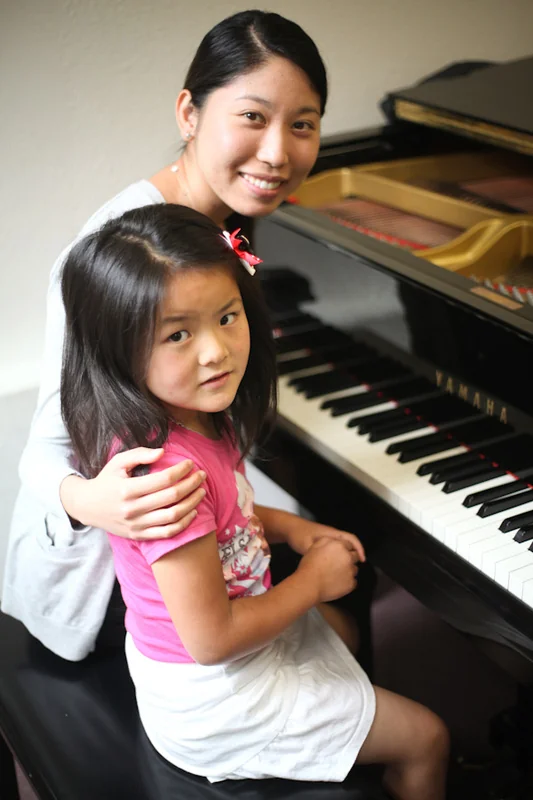
What Age to Start Music Lessons?
Readiness signs, first instruments, and when to choose group or private learning.
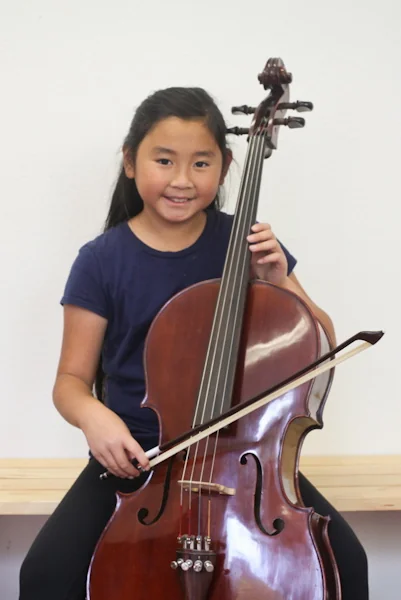
How to Find a Piano Teacher
Questions that reveal teacher fit, lesson structure, and realistic next steps.
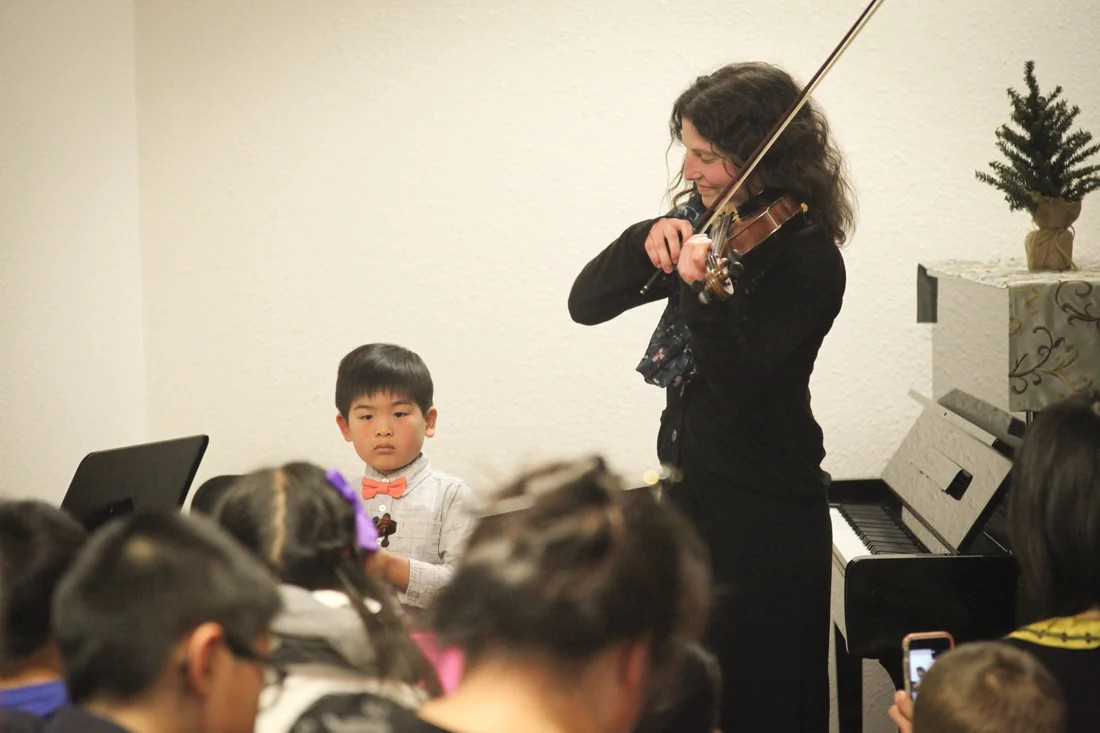
Piano Lessons for Beginners
What the first months can look like for a child and family.