A Calm First Step
Beginner Friendly
Start with grip, posture, counting, listening, and simple beats in a sequence that feels manageable.
San Francisco, Moraga, And Online
Find private drum lessons that meet the student where they are, with experienced teaching, clear practice direction, and a location or lesson format that fits your week.

Established
Since 2008
Faculty
30+ Teachers
Lesson Formats
In Person + Online
Lesson Options
30, 45, Or 60 Minutes
When families and adult students look for drum lessons nearby, they are often sorting through more than distance. They want a teacher who can make a first lesson comfortable, notice what needs attention, and turn a student's excitement into a plan that does not feel confusing or overly strict.
Drums are energetic, physical, and satisfying. They also ask a student to listen, count, coordinate, and stay relaxed at the same time. One-on-one instruction gives each drummer a clear place to start, whether that is a first beat, better control on the kit, a school-band part, or a return to music after years away.
At Amabile, lessons are shaped around the person in the room. The work can stay simple when a beginner needs confidence, or become more detailed when a student wants help with groove, reading, coordination, style, or a more challenging piece.
A Calm First Step
Start with grip, posture, counting, listening, and simple beats in a sequence that feels manageable.
Teaching That Responds
A teacher can adapt the pace, explain a sticking pattern, and solve a problem before frustration takes over.
Skills That Connect
Build timing, coordination, groove, fills, reading, and songs that make the practice time feel worthwhile.
Practical Local Options
Choose San Francisco, Moraga, or online lessons to make a consistent weekly rhythm more realistic.
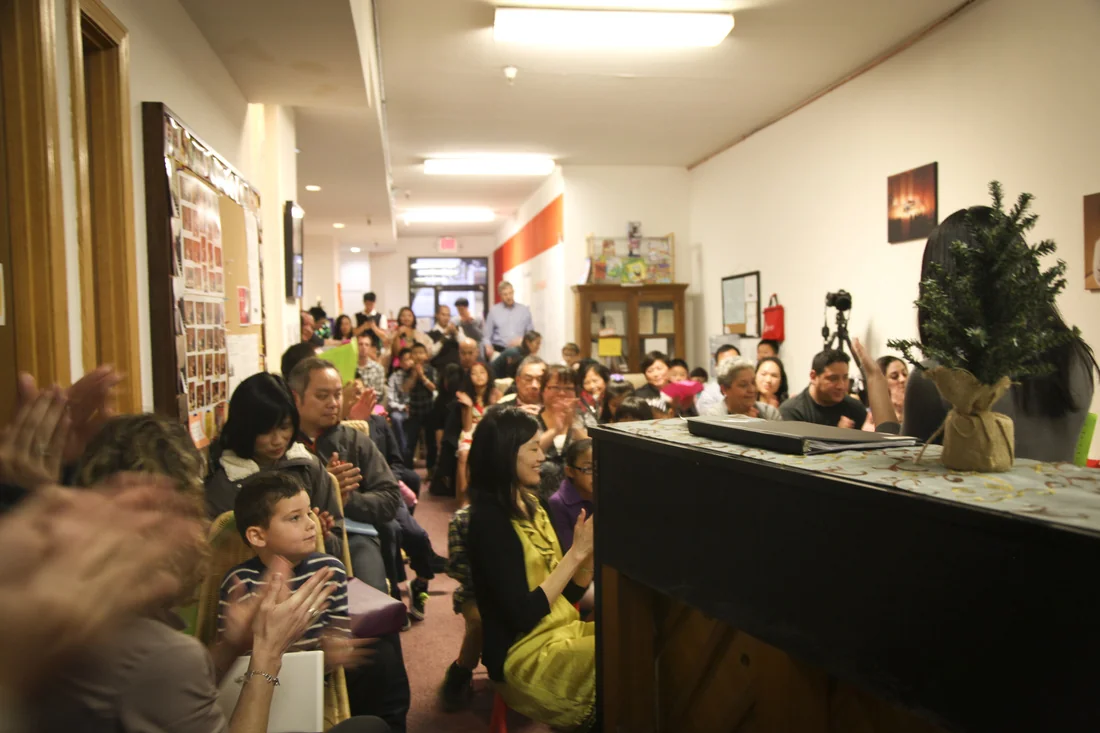
A lesson should give students a clear next step and leave them with something they can hear, feel, and practice at home.
Find and hold a steady pulse
Students learn to count, listen, and settle into a beat, so the rhythm supports the music instead of getting away from them.
Build coordination without rushing
Hands, feet, posture, and stick control develop over time. Detailed feedback helps students add one layer without losing the beat underneath.
Connect exercises to actual music
Patterns and reading become more useful when students can apply them to grooves, fills, school music, and songs they recognize.
Leave with a practice plan
A focused assignment makes home practice easier to begin and gives the next lesson a clear place to continue.
For a child who is eager to play: lessons give that energy structure. A teacher can keep the early experience active while building the small coordination and listening habits that lead to real confidence.
For a teen in band or an ensemble: private work can focus on the passages, rhythmic details, and control that need more attention before the next rehearsal, performance, or audition.
For an adult beginning or returning: lessons can be a focused creative outlet. The pace can respect a full calendar while still creating the accountability that helps a student keep going.
For a family choosing an instrument: a trial lesson offers a practical way to meet a teacher, try the learning environment, and decide whether drums are the right next step.
A trial lesson is a chance to meet the teacher and find a sensible starting point. There is no need to arrive with previous lessons, a polished song, or every piece of equipment already figured out.
The teacher may talk through what draws the student to drums, listen to their sense of rhythm, and explore a first pattern or beat. For a younger student, a parent can share useful context about interests, schedule, and what they hope music lessons will provide.
By the end, the next step should feel clearer. Students and families can decide whether the teacher, lesson length, location, and learning plan feel like a match before moving forward.
The best lesson plan is the one a student can actually repeat. For families, that often means choosing a campus that works with school, work, and other activities. For adults, it can mean selecting a time and format that protects a little space for music in an already busy week.
Amabile offers in-person instruction in San Francisco and Moraga, with online lessons available when home is the more practical place to learn. The right format depends on the student's setup, attention, goals, and the kind of guidance they need most. A trial lesson is a useful place to talk through those details.
Students do not need to practice for long, unfocused stretches to make progress. A teacher can help create a routine with a clear warm-up, one coordination or rhythm task, and a short piece or groove that gives practice a musical finish. Small, repeatable sessions are often easier to sustain than a plan that expects too much too soon.
Thirty-minute lessons can be a strong first fit for younger beginners. Forty-five or sixty minutes create more room for students who want deeper work with reading, coordination, repertoire, or performance preparation.
A student does not need a perfect home studio before trying drums. The first lesson can clarify what equipment, practice space, and sound level make sense for the goals and learning format you choose.
The right teacher helps a student feel heard, challenged, and clear about what comes next. A trial lesson makes that judgment easier before a new routine is added to the calendar.
Some drummers learn simply because they enjoy playing. Others like working toward a date, a song, or a moment they can share. Amabile offers recital and performance opportunities for students who want that next milestone.
Low Pressure
Students can build confidence in a supportive setting and choose a performance pace that feels right.
Real Milestones
A recital goal gives weekly practice direction and lets students recognize the work they have put in.
Convenience matters when lessons need to become a steady habit. Amabile offers two Bay Area campuses and online instruction, so students can choose a practical way to keep moving forward.
Sunset Parkside District
1213 Vicente Street, San Francisco, CA 94116
In-person and online lessons are available seven days a week.
(415) 682-7738Serving Lamorinda
1001 Country Club Drive, Suites D & A, Moraga, CA 94556
In-person lessons are available Monday through Saturday, with online options seven days a week.
(925) 376-6328Yes. Beginners can start with simple beats, counting, grip, posture, listening, and coordination. A teacher introduces each skill in a sequence that helps the student feel successful while building a dependable foundation.
Yes. Amabile works with children, teens, and adults. The teacher adjusts the lesson pace, goals, material, and practice expectations to fit the student's age, experience, interests, and schedule.
Yes. Private lessons can help a student work through rhythm, timing, reading, sticking, coordination, and challenging passages from school music. The one-on-one setting gives students time to ask questions and isolate what needs attention.
Yes. Online drum lessons are available alongside in-person options in San Francisco and Moraga. A trial lesson can help determine which format makes the most sense for the student's setup and weekly routine.
Lessons are available in 30, 45, and 60 minute formats. The best length depends on the student's age, attention, goals, and the amount of work they want to cover in each session.
Book a trial lesson and share the student's age, preferred location, whether online or in-person works best, and what they are excited to play.