Quick answer
Beginner clarinet lessons start with the habits that make later music possible: putting the instrument together safely, making a relaxed first sound, learning a few notes and rhythms, and knowing exactly what to try at home. The early squeaks are normal. Good lessons turn them into useful feedback rather than a reason to quit.
What Happens in a First Clarinet Lesson?
The first goal is a comfortable, repeatable setup, not a perfect performance.
A first lesson usually begins before a student plays a note. A teacher checks how the clarinet is assembled, where the reed and mouthpiece sit, how the hands meet the keys, and whether the student can hold the instrument without tension. That unglamorous beginning matters. A rushed setup can make a beginner work much harder than necessary for every sound.
Next comes air and embouchure, the way the mouth, jaw, and breath work around the mouthpiece. A beginning player may make a short tone, stop, adjust, and try again several times. That is not a failed lesson. It is how the player starts connecting a physical action with a result they can hear. The Yamaha clarinet owner's manual also stresses careful assembly and drying the reed after playing, two small habits that protect an instrument and make the next practice session easier.
Most teachers introduce a tiny amount of reading and rhythm early, too. A student might clap a pulse, say note names, or play a short pattern on a few notes. The point is not to flood a beginner with information. It is to make the first week feel specific: here is how to put the clarinet together, here is the sound we are looking for, and here is one small task to repeat at home.
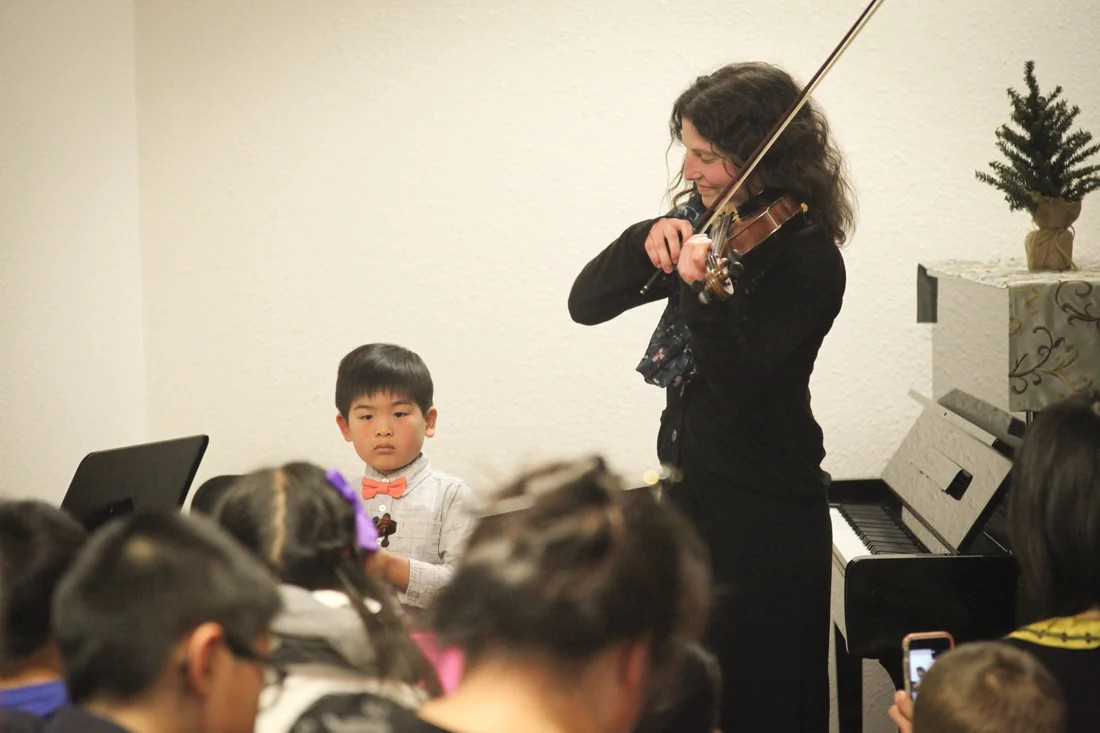
The First Few Months: Small Skills That Add Up
Clarinet progress is easier to notice when families look for milestones, not a sudden leap to advanced music.
In the first several weeks, many beginners are getting familiar with the feel of the instrument. They are learning how to assemble it without forcing joints, keep the reed in good condition, sit or stand with balanced posture, and make a tone that is more reliable from one try to the next. They may play a few simple notes, count basic rhythms, and begin short melodies.
As those pieces become more familiar, students add finger coordination, clearer starts and stops, dynamics, and more reading. A squeak can still happen, especially when a finger does not fully cover a hole or when the air and tongue do not line up yet. It is just information. Instead of saying “try harder,” a useful teacher helps the student isolate one cause, make a small adjustment, and hear whether it changed the result.
By a few months in, a beginner may be ready for short songs, simple scales, and school-band material that matches their level. The exact pace differs with age, previous musical experience, practice time, equipment, and the student's comfort with reading. A timeline is useful for planning, but it should never become a promise a child feels pressured to chase.
| Stage | What progress can look like | What helps |
|---|---|---|
| First month | Careful setup, a few steady sounds, basic finger positions, and simple rhythm work. | Very short, clear practice tasks and patient repetition. |
| 1 to 3 months | More notes, simple tunes, reading patterns, and greater control over starts and stops. | Weekly feedback that fixes one problem at a time. |
| 6 to 12 months | A growing repertoire, stronger rhythm, basic scales, and more comfort in an ensemble or recital setting. | A realistic routine and music that gives skills a purpose. |
How Often Should a Beginner Practice?
A small routine repeated often is more useful than one heroic weekend session.
For a new clarinet player, five focused minutes can be productive when the assignment is clear. That might be assembling the instrument correctly, making four relaxed long tones, clapping one rhythm, or playing two measures slowly. A young student often needs help protecting that small pocket of time, not a parent trying to teach the whole lesson again.
As the student gains stamina, practice can grow with the teacher's recommendations. The quality of attention matters more than leaving the instrument open on a stand for half an hour while everyone negotiates. A helpful routine has a starting cue, one or two defined tasks, and a clean ending: swab the instrument, dry the reed, put everything away, done.
Families who already understand the value of short, purposeful repetition may find the school's realistic practice guide useful. The instrument is different, but the principle is the same: a smaller task completed well gives a beginner something to build on next time.
A Simple First-Week Clarinet Checklist
Use the assignment from the teacher, then keep the routine short enough to repeat calmly.
A first week can feel surprisingly busy. There is a case, several instrument pieces, a reed, a swab, unfamiliar finger positions, and perhaps a method book. A short checklist removes the guesswork for both the student and the parent.
- Set up the case on a clear, stable surface rather than balancing pieces on a couch or bed.
- Assemble only the sections the teacher has shown, using gentle twisting instead of force.
- Wet and place the reed as directed, then make a few relaxed sounds rather than trying to play loudly.
- Practice one assigned note pattern or rhythm slowly enough to notice what changes.
- Swab the instrument and dry the reed after playing, then pack every piece back into the case.
That routine may sound modest. It is supposed to. A beginner who can set up safely, make a few thoughtful attempts, and finish with the instrument cared for has completed real musical work. Over time, the checklist becomes automatic, leaving more attention for tone, rhythm, reading, and the music itself.
If a student is unsure about a sound or a fingering, make a quick note for the next lesson rather than repeating a frustrating version for twenty minutes. The goal of home practice is not to solve every problem alone. It is to make the next teacher conversation more useful.
What Should Parents Look for in Beginner Clarinet Lessons?
The best fit gives a student a clear next step and a family a workable plan.
For a child, look for a teacher who can break a physical skill into simple language and notice when a student is getting discouraged. For an adult, look for the same clarity, plus a pace that respects a busy schedule and the music the student hopes to play. Neither group needs a teacher who treats beginner questions as interruptions.
Ask what a first month normally covers, how the teacher handles reed and instrument-care questions, what practice looks like between lessons, and how they choose early music. A good answer should sound concrete. “We'll see” is sometimes honest, but it should be followed by a plan to observe the student and adjust.
It also helps to ask whether the student has a goal beyond the lesson room. Some beginners want to feel ready for school band. Some want a creative after-school activity. Some adults are returning to music for themselves. A teacher can shape early repertoire and practice around that goal while still giving the basics their proper due.
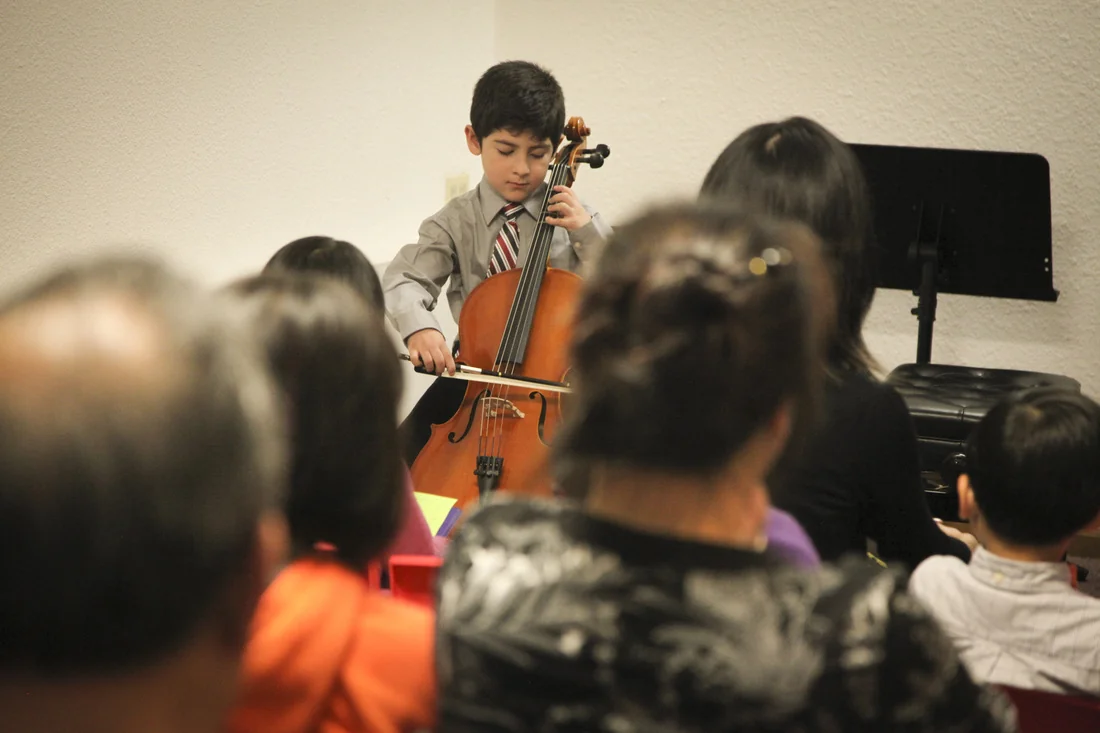
School Band, Recitals, and the Confidence Piece
A beginner does not need to wait until they feel expert to have a meaningful musical milestone.
Clarinet is often a natural school-band instrument, but private lessons can be valuable whether or not a student is in an ensemble. They give the player room to slow down, ask questions, refine a difficult fingering, and understand why a passage works. That individual attention can make band music feel less like a fast-moving list of instructions and more like music the student can actually own.
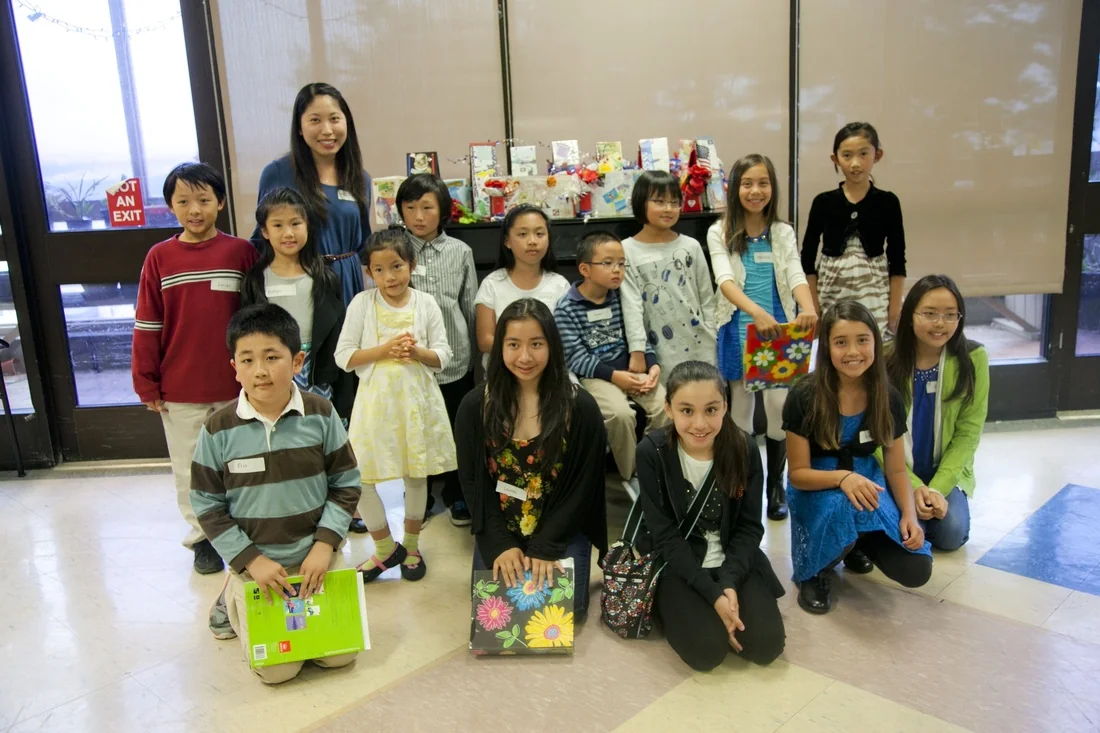
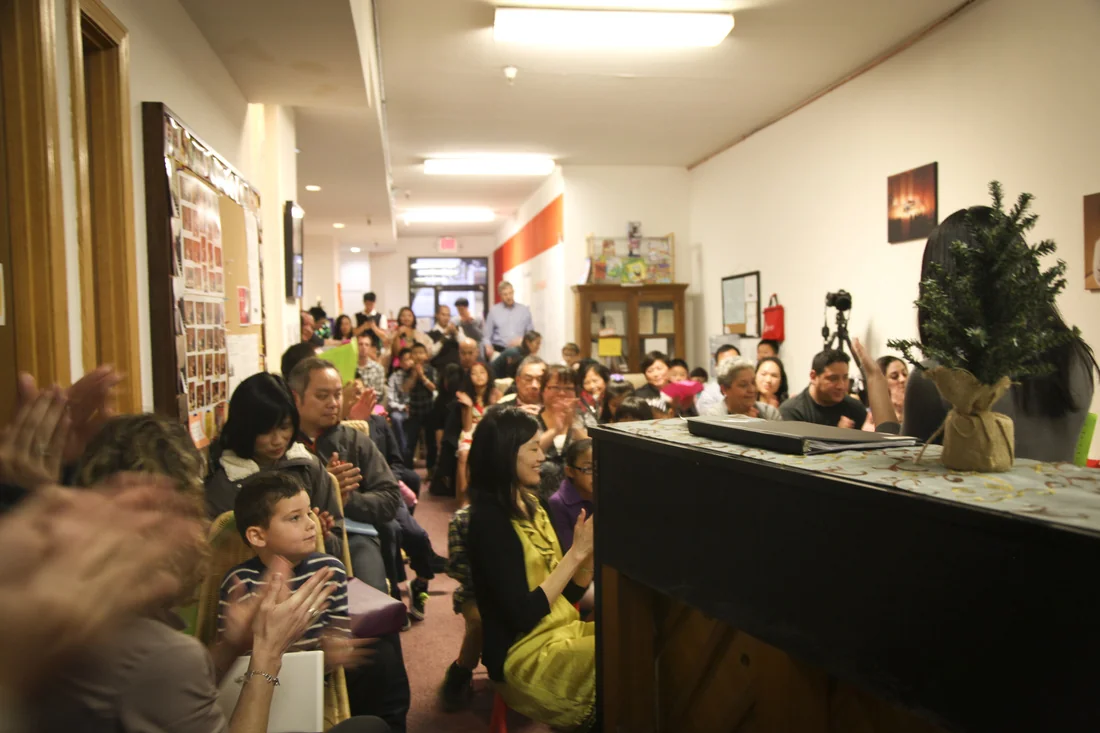
Performance can help in a different way. A short, well-prepared piece for family, a studio class, or a recital is not a test of whether a beginner is finished. It is a chance to connect practice with a real moment. Amabile's recital opportunities give students who want that milestone a supportive reason to prepare and reflect on their growth.
Not every student will love performing right away. That is fine. Confidence can look like playing one phrase without stopping, joining a school ensemble, or showing a parent how a squeak became a clear note. A strong program makes room for each version of progress.
How Amabile Helps Beginner Clarinet Players
A calm start helps a new player keep the instrument in their hands long enough for the rewarding part to arrive.
Amabile's San Francisco clarinet lessons help beginners build breath, embouchure, tone, rhythm, reading, and practice habits one manageable step at a time. Lessons can support school-band needs, a child's first woodwind experience, or an adult returning to music with a goal that feels personal.
Families can review the school's teaching faculty, compare lesson lengths and tuition, and book a trial lesson to see how the teacher, instrument, and schedule fit together. The useful first decision is not whether a beginner will be perfect. It is whether the next step feels clear enough to take.
Frequently Asked Questions
Are clarinet lessons hard for beginners?
Clarinet has a learning curve because sound, breath, reed care, fingers, and reading all develop together. Beginners do not need to master them at once. A teacher can make the first skills small enough to practice without feeling overwhelmed.
What should a beginner clarinet student practice first?
Start with the teacher's specific assignment. Early work often includes careful assembly, a comfortable embouchure, steady tones, a few notes, and simple rhythms. Short, accurate repetitions are more useful than trying to play a long piece too soon.
How long are clarinet lessons for beginners?
The best lesson length depends on the student's age, focus, goals, and the time needed to work through setup, sound, reading, and repertoire. Many beginners begin with a format that leaves them focused enough to remember the next home assignment.
Do beginners need their own clarinet?
A student needs reliable access to an instrument for practice. Before buying, ask the teacher or school about suitable beginner options, rental choices, and what care supplies are essential. That guidance can prevent an expensive, poorly matched purchase.
Can an adult start clarinet lessons?
Yes. Adult beginners can build the same core skills at a pace that fits their schedule and musical goals. Previous music experience can help, but it is not required for a thoughtful start.
Related Posts
More practical guides for beginners and families building a confident music-learning routine.