Quick answer
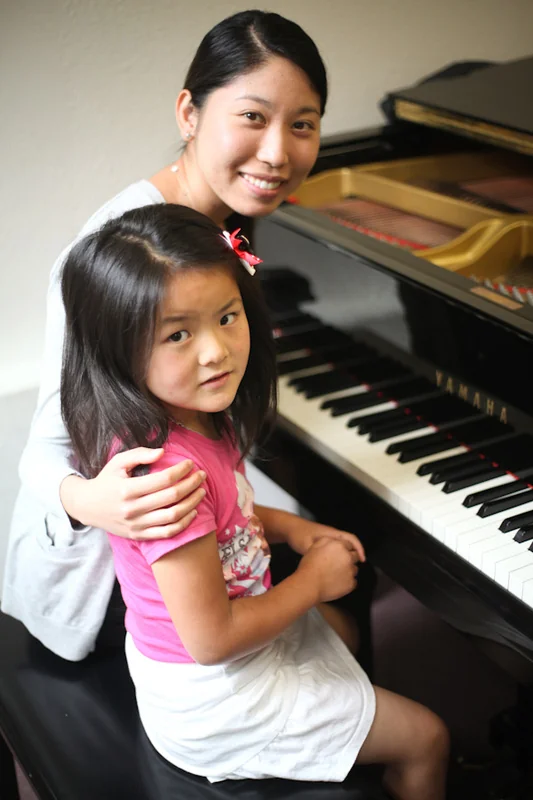
A good age to start private piano lessons is often around five to seven. Some four-year-olds are ready for a playful keyboard group class, and a few are ready for carefully paced private lessons after a teacher evaluation. By age seven, many children can usually handle more structured weekly lessons and longer assignments. The real test is readiness: can the child follow simple directions, stay engaged for a short lesson, use their fingers with reasonable control, and accept gentle correction?
Why Age Alone Is a Weak Test
Two children can be the same age and need very different starts.
Parents usually ask about age because they want to avoid two bad outcomes: starting too early and making music feel like a chore, or waiting too long and missing a useful window. That is completely reasonable. Piano can be a wonderful first instrument because children can make a clear sound right away, see high and low notes across the keyboard, and learn melody, rhythm, and coordination in a concrete way.
Still, a birthday does not tell you whether a child can sit with a teacher, listen to a short instruction, try again after a mistake, or practice at home without the whole family losing its will to live. Those things matter more than whether the child is exactly five, six, or seven.
The Music Teachers National Association's parent guidance notes that many programs introduce piano or string instruments around age five, while pre-first-grade programs often use varied activities instead of asking children to sit and play for thirty straight minutes. That is the practical middle: children can begin early, but the format has to respect how young children actually learn.
Age Four: Usually Best for Playful Keyboard Class
Four can be a strong start when the goal is exploration, not miniature conservatory training.
Some four-year-olds are fascinated by the piano. They notice patterns, repeat songs, make up little tunes, and want to know what the teacher is doing. That interest is worth nurturing. But most four-year-olds still need movement, games, singing, short turns, and plenty of variety. A private lesson can work for a few children, but a small group class is often a better bridge.
Amabile's Little Mozart keyboard group class is built for that early stage: age-four beginners learn keyboard basics, rhythm, singing, listening, and musical games in a format designed for shorter attention spans. That kind of start gives children a first relationship with the instrument without treating them like older students.
A four-year-old may be ready for early piano work if they can copy simple patterns, take turns, follow one-step directions, and stay interested even when the activity changes. If they melt down the moment a task is repeated, that does not mean they are not musical. It may just mean the format should stay playful for now.
Age Five to Six: The Common Private Lesson Window
Many children can start private lessons here, as long as the teacher knows how to teach young beginners.
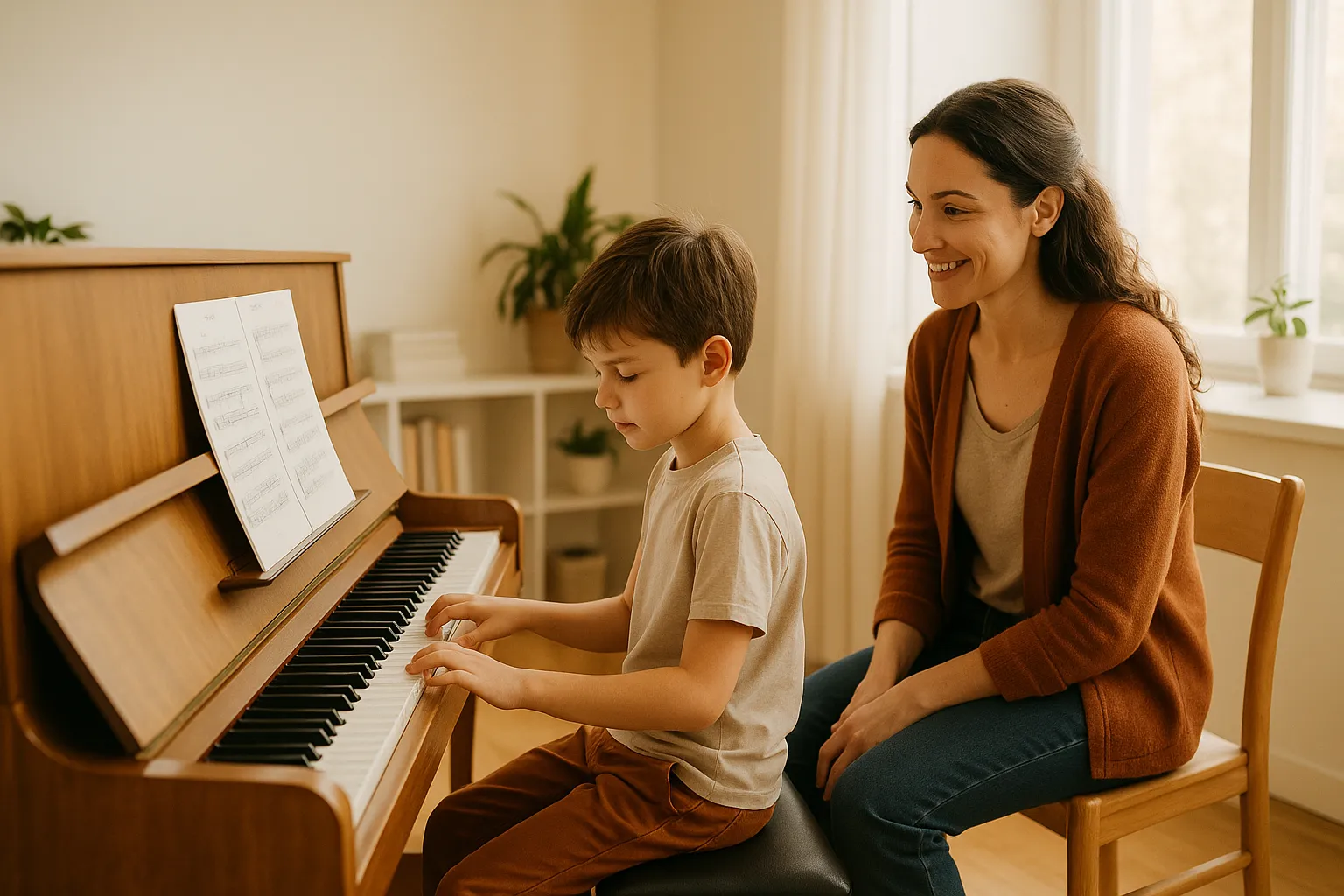
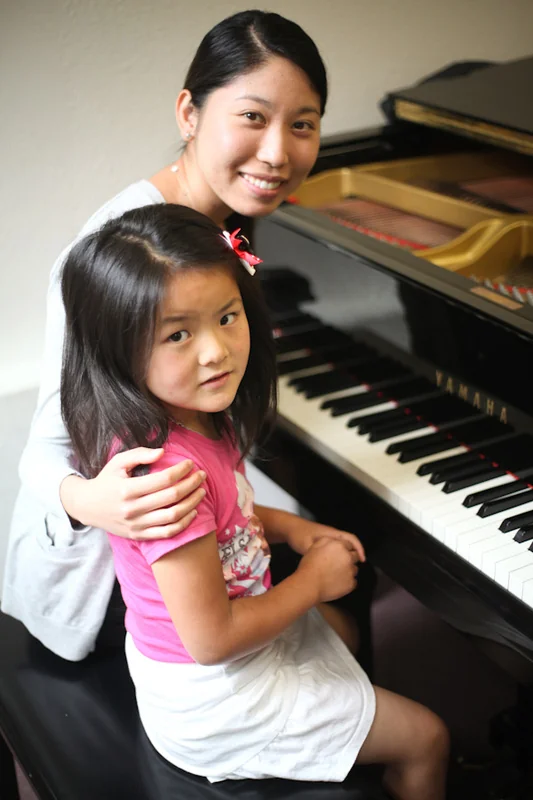
Ages five and six are often the first realistic window for private piano lessons. Children at this age may be ready to sit at the instrument, learn finger numbers, copy simple rhythm patterns, and practice very short assignments with parent help. They are not supposed to manage practice independently. A five-year-old who needs reminders is normal. A five-year-old who needs a parent nearby for practice is also normal.
The best early lessons at this age are active and specific. A teacher might use short pieces, clapping games, listening exercises, keyboard geography, finger patterns, and simple note reading. The lesson should have enough structure to build habits and enough warmth to keep the child willing to come back.
Thirty-minute private lessons are often the right starting length for ages five and six because they give enough time for review, one or two new ideas, and a clear practice plan without turning the final ten minutes into crowd control. If a child is highly focused, older for their age, or already has group music experience, a teacher may suggest more. Most do not need more at the beginning.
| Age range | Often best first step | What to watch for |
|---|---|---|
| 3 to 4 | Playful music exposure or small group class | Interest, imitation, rhythm, and comfort with guidance |
| 5 to 6 | Short private lessons or group-to-private transition | Attention, finger control, parent-supported practice |
| 7 to 9 | Private weekly lessons with clearer assignments | Reading readiness, steady practice, growing independence |
| 10+ | Private lessons matched to goals and music interests | Motivation, schedule fit, teacher connection |
Age Seven and Up: More Structure Usually Works
Older beginners often move faster because they can understand the lesson plan and remember assignments.
By age seven, many children can handle more structured piano lessons. They can often read more fluently, follow multi-step directions, notice patterns, and remember what the teacher asked them to practice. That does not mean every seven-year-old is magically disciplined. It means the teaching can usually include more reading, technique, rhythm, and repertoire in the same lesson.
This is why many schools move students age seven and up toward longer lessons than the youngest beginners. A 45-minute lesson can give the teacher enough room to review practice, fix one or two technical issues, introduce new material, and still make music. If the lesson is too short for the amount of material, the student may leave with rushed assignments and unclear priorities.
Older children also bring stronger opinions. That is useful if the teacher listens. A child who wants movie music, worship music, classical pieces, pop songs, or composing can still learn fundamentals. The trick is connecting those fundamentals to music the child actually wants to play.
Readiness Signs Parents Can Actually Use
You do not need a formal assessment to notice whether lessons are likely to work.
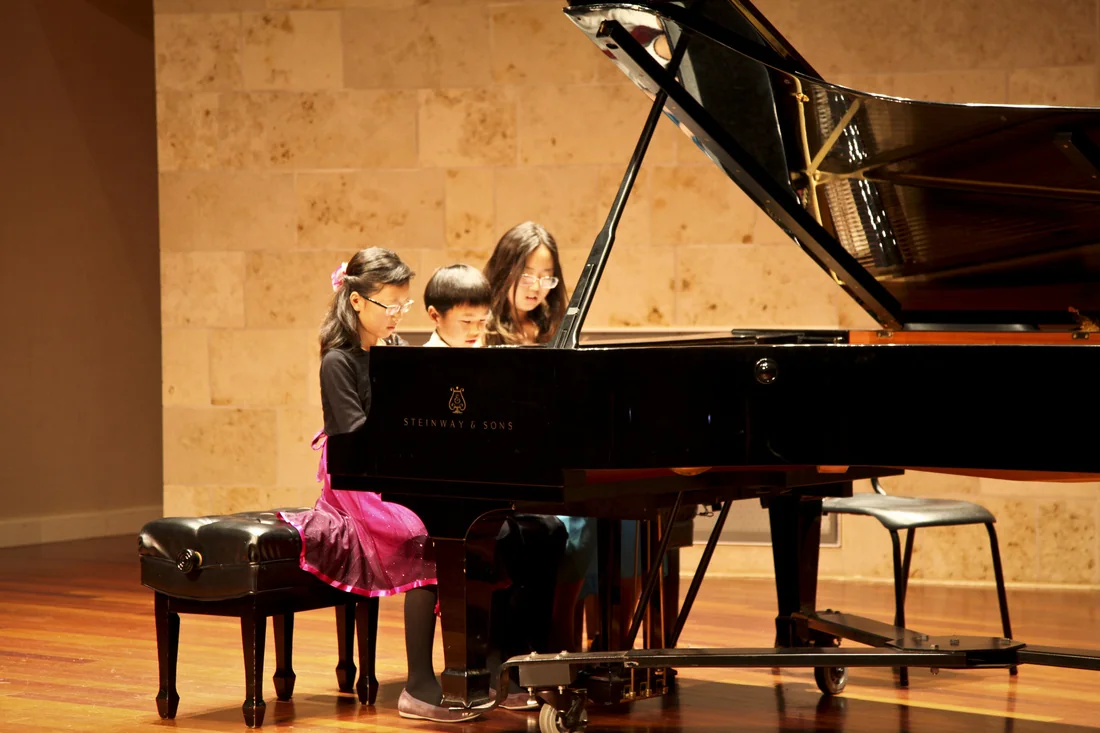
A child may be ready for piano lessons when several signs show up together. Interest matters, but interest alone is not enough. A child can love banging on the keyboard and still not be ready for weekly assignments. On the other hand, a child who is quiet at first may do beautifully once a patient teacher gives them a clear routine.
Look for a cluster of readiness signs:
- they show curiosity about piano, music, singing, or rhythm
- they can sit for a short guided activity without constant redirection
- they can follow simple directions such as "use finger two" or "try that rhythm again"
- they can accept small corrections without shutting down every time
- their fingers can press individual keys with some control
- a parent can help them practice briefly at home most days
The National Association for Music Education emphasizes developmentally appropriate, play-based music activity for children from birth through age five. That is a useful reminder: early music should build curiosity and musical foundations before it asks young children to behave like older students.
When Waiting Is the Better Move
Waiting a little is not failure. Sometimes it protects the child's relationship with music.
If lessons become a weekly power struggle before the child understands what they are doing, the timing may be wrong. That is different from normal beginner resistance. Every child has off days. But if the child cannot engage with any short task, refuses all repetition, or becomes anxious whenever correction happens, a gentler start may be better.
Waiting does not mean doing nothing. Keep music in the house. Sing, clap rhythms, dance, listen actively, attend student recitals, let the child explore the keyboard, and try a short group class. This keeps music positive while attention, coordination, and maturity catch up.
The goal is not to produce the youngest possible pianist. The goal is to help the child become someone who wants to keep learning. Starting six months later with more readiness is usually better than starting now and teaching the child that piano means pressure, nagging, and tears. Very prestigious, very unnecessary.
What the First Piano Lessons Should Include
Early lessons should make the piano feel understandable, not mysterious.
Strong first piano lessons usually include keyboard geography, finger numbers, basic rhythm, listening, posture, simple pieces, and a clear home assignment. For young beginners, the teacher should also communicate with the parent. A child cannot practice well at home if the adult does not know what "practice" is supposed to mean.
If you are comparing beginner options, read Piano Lessons for Beginners: What to Expect. It explains the first months in more detail, including lesson length, early skills, and how teacher fit affects progress.
A good first lesson should end with the student understanding something they can repeat. It may be a two-note pattern, a simple rhythm, a small song, or a practice game. The assignment should be small enough to succeed and specific enough that parents are not left guessing.
| Readiness area | Ready for private lessons | Better first step |
|---|---|---|
| Attention | Can focus for short guided tasks | Music games and movement class |
| Coordination | Can use individual fingers with help | Rhythm, clapping, singing, keyboard play |
| Emotional fit | Can try again after a gentle correction | Low-pressure group setting |
| Home support | Parent can help with brief practice | Family music routine first |
How Practice Should Look at Each Age
Younger beginners need smaller practice. They do not need a tiny corporate productivity system.
Practice is one of the biggest reasons age matters. A young child may enjoy the lesson but still need a parent to sit nearby, open the book, read the assignment, and help them repeat the same small task. That is normal. It is not a sign that lessons are failing.
A five-year-old may start with five to ten focused minutes at a time, depending on the assignment. A six- or seven-year-old may gradually build toward longer, steadier practice. Older children can often handle more independent work, but they still need structure. The Parents guide to introducing instruments points to short, consistent practice and encouragement as part of keeping young learners engaged.
If practice is the family concern, start with the smallest repeatable habit. Same time of day, same short checklist, same calm tone. For a deeper routine, use Amabile's guide on how to practice piano.
Does Starting Earlier Mean Better Progress?
Not automatically. The right start beats the earliest start.
Early exposure helps, but early private lessons only help when the child is ready for that format. A child who starts at four in the right group class may build rhythm, listening, and confidence beautifully. A child who starts private lessons at six with strong interest and parent support may progress just as well or better than a younger child who was pushed too soon.
Music learning is cumulative. The Royal Conservatory program overview shows how piano study moves from preparatory levels through advanced work over time. You do not need exams for your child to learn well, but the broader point is useful: piano development is staged. Rushing the first stage does not make the later stages stronger.
The better question is whether the student is building healthy habits: listening, rhythm, relaxed hands, steady practice, confidence, and a relationship with a teacher who knows how to pace growth. If those are in place, the exact start age matters less.
How Amabile Can Help
The easiest way to choose the right start is to match the child to the right format, teacher, and lesson length.
Amabile School of Music offers kids piano lessons, piano lessons in San Francisco, Moraga, and online, and the age-four Little Mozart keyboard group class. That gives families more than one doorway into piano instead of forcing every child into the same lesson format.
Families can compare lesson pricing, meet the teaching team, review Bay Area locations, and use a trial lesson to see whether the student is ready for private instruction now.
A good first step should leave the child more curious, not more defeated. That is the whole point.
Frequently Asked Questions
What age should a child start piano lessons?
Many children are ready for private piano lessons around ages five to seven. Some four-year-olds do better in a playful keyboard group class first, while older beginners can start successfully if they have interest and the right teacher.
Is age four too young for piano lessons?
Age four is often too young for traditional private lessons, but it can be a strong age for a small keyboard group class, musical games, rhythm, singing, and teacher evaluation. The format matters more than the label.
How do I know if my child is ready for piano?
Look for interest, short attention span for guided tasks, ability to follow simple directions, some finger control, and willingness to try again after gentle correction. Parent support for short home practice is also important.
Are 30-minute piano lessons enough for young beginners?
Yes, 30 minutes is often enough for ages five and six because young beginners need focused instruction without overload. Older children, teens, and adults often benefit from 45 minutes once they can handle more material.
Will my child fall behind if we wait a year?
Usually no. A child who starts later with stronger readiness, interest, and home support can progress very well. It is better to begin with the right format than to start too early and make piano feel like a fight.