Quick answer
A good beginner violin practice routine is short, specific, and repeated often. Start with a calm setup, spend a few minutes on the teacher's warmup, solve one small problem slowly, then finish with music the student can enjoy. Ten focused minutes most days are more useful than one frustrated marathon before the next lesson.
Why a Routine Matters More Than a Perfect Practice Day
Beginners do not need a giant checklist. They need to know what to do when the case opens.
Violin asks a lot at once. The student is balancing an instrument, guiding a bow, placing fingers without frets, reading rhythm, and listening for pitch. When practice is simply “play your violin,” it is easy to jump between songs, repeat mistakes, or stop after the first rough sound. A routine gives the session a shape before frustration has a chance to take over.
The useful question is not how long a student can stay in the chair. It is whether each part of the session has a job. A few slow open strings can settle the bow arm. One small rhythm can build coordination. A familiar phrase can remind the student that the work is becoming music. The practical routine advice from Violinspiration's beginner practice guide makes the same point: a plan should help a student focus on what needs attention, not create more material to rush through.
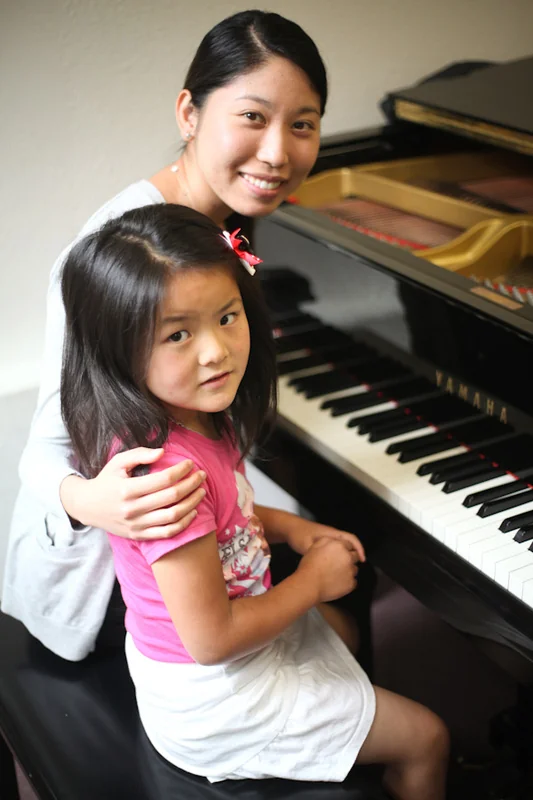
For young children, routine also lowers the emotional temperature at home. A parent does not need to diagnose every squeak or become a second teacher. It is enough to protect the time, help the student remember the assignment, and notice when a careful repetition sounds better. Adults benefit from the same clarity. A short planned session is easier to return to after work than an open-ended promise to practice “when there is time.”
Set Up So Practice Can Start Easily
The fewer decisions between opening the case and making a sound, the more likely practice becomes a habit.
Choose one safe, well-lit spot with enough room for the bow, a music stand, and a chair or clear standing space. Keep the assignment book, pencil, and current music together. A tuner and metronome can be helpful, but neither should turn the first months into a technology project. The teacher's assignment remains the plan.
Before playing, check that the violin is supported comfortably and the bow is prepared as the teacher has shown. Beginners should not be asked to make complicated adjustments alone. If tuning, bridge position, bow hair, or a new sound feels uncertain, make a note and bring the question to the next lesson. Careful setup protects both the instrument and the student's willingness to begin.
Then attach practice to something that already happens. After a snack, before dinner, after homework, or just after breakfast can all work. The best time is the one the family can repeat. A predictable cue removes the nightly negotiation and gives the student a fair chance to build confidence.
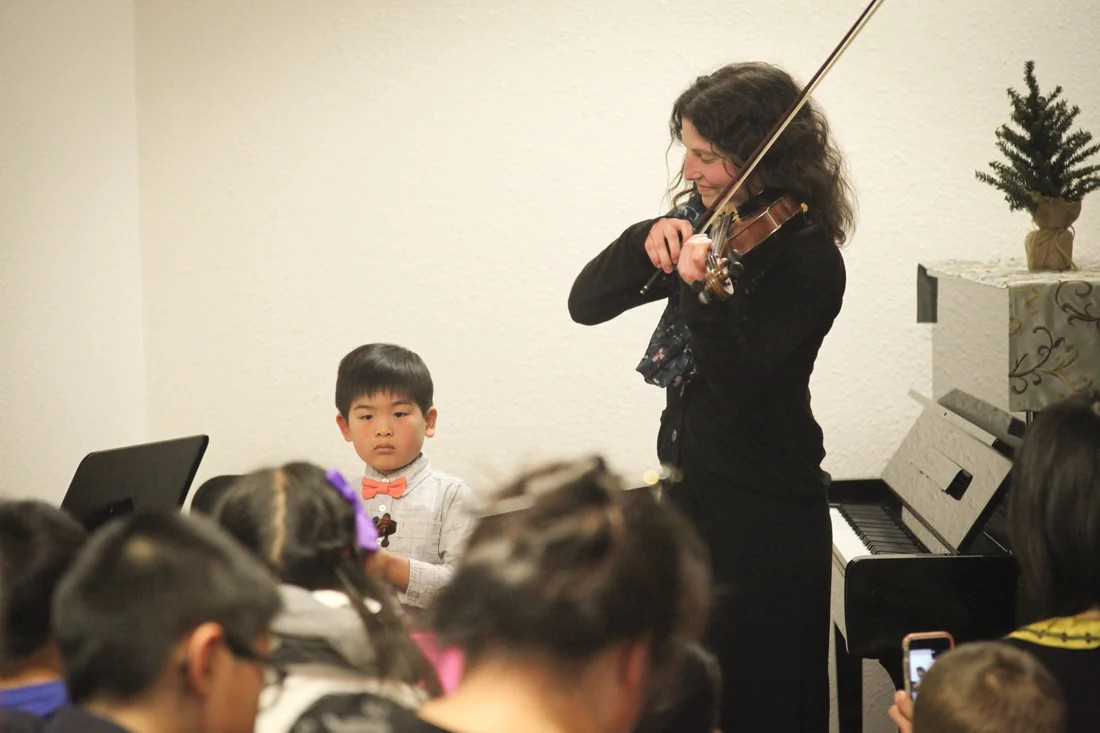
A 15-Minute Violin Practice Routine
Use this as a starting shape, then let the weekly assignment decide the exact exercises and music.
Fifteen minutes is enough to do real work when each block is deliberate. Younger beginners may split this into two shorter sessions. Older students and adults can extend the same structure without changing its order.
| Minutes | Focus | What to listen for |
|---|---|---|
| 2 | Set up, look at the assignment, and choose one goal. | A calm body and a clear first task. |
| 3 | Open strings, bowing pattern, or teacher's warmup. | A steady sound and relaxed movement. |
| 5 | One scale, rhythm, finger pattern, or short section. | One detail improving with each slow repeat. |
| 3 | Current piece, with the hard spot isolated first. | Reliable rhythm before speed. |
| 2 | Play one familiar phrase, then write down a question. | What felt easier and what needs help next week. |
This sequence is not a law. If a teacher assigns one bowing exercise, that exercise may need most of the session. If the student is preparing a short recital piece, the current piece may need more time. The value is having a repeatable order: prepare, warm up, improve one thing, make music, then leave a useful note for the teacher.
For a five-minute day, keep only the middle. Set up, play the warmup, repeat one assigned measure slowly, and stop while the student can still say “I can do that again tomorrow.” A small session is not a failure. It keeps the instrument familiar and gives the next practice day an easier start.
How to Work on a Hard Spot
Playing from the beginning over and over feels busy, but it often avoids the one place that needs attention.
Find the smallest part that breaks down, perhaps two notes, one string crossing, or a rhythm that loses its pulse. First remove speed. Say or clap the rhythm, place the fingers carefully, or practice the bow motion on an open string. Then put the pieces back together at a tempo where the student can listen.
Give the repeat a single job. “Keep the bow on the same lane,” “hold the first note for four counts,” or “land the third finger without searching” are useful directions. “Do it better” is not. When one attempt improves, repeat it two or three times, then move on. Repeating a mistake is very efficient at making it familiar, which is not the kind of efficiency anyone needs.
A metronome can support rhythm after the student understands the pattern, but it is not a punishment device. Start slowly enough to succeed, and increase only after the notes, bowing, and pulse stay dependable. The same practical approach appears in this beginner violin routine, which separates warmup, scales, difficult spots, and a complete playthrough instead of treating practice as one long performance.
End the repair work by playing into and out of the difficult measure. That small step matters because music rarely arrives one isolated bar at a time. If the student can enter the spot calmly, solve it, and continue to the next phrase without stopping, the new skill is much more likely to hold when the piece is played for a teacher, a parent, or an audience. Make a brief note when a hard spot improves. It gives the next session a useful place to begin instead of asking the student to remember every detail.
What Parents Can Do Without Taking Over
A parent's job is to make practice possible, not to correct every note from across the room.
Young students need help with routines. A parent can put the practice time on the family calendar, make sure materials are ready, ask the child to show the teacher's notes, and praise attention instead of speed. “You kept going after that restart” is more useful than “That note was wrong.”
If practice becomes a recurring battle, shrink the task before increasing pressure. The assignment may be unclear, too long, or mismatched to the student's energy that day. Share that honestly with the teacher. A good teacher can adjust the task, demonstrate the tricky part again, or help the family choose a more realistic routine.
Parents should also leave room for the student's ownership. Let the child choose which familiar song to play at the end. Invite them to name one thing that felt better. Those small choices keep practice from feeling like an inspection and help a young musician notice their own progress.
How a Routine Changes as a Student Grows
The structure stays familiar, but the assignment becomes more detailed and independent.
A beginner may spend most of the session on posture, open strings, and short pieces. As the player grows, scales, shifting, different bow strokes, sight reading, orchestra passages, and longer repertoire take more room. The routine still begins with preparation and ends with a clear next step. It simply gives each skill a more specific place.
Teens often benefit from a weekly focus, such as steadier rhythm, a cleaner shift, or a particular passage for orchestra. Adults can choose a schedule that respects work and family life, while still keeping regular contact with the instrument. In both cases, a practice journal with one sentence before and after the session can make progress visible when it otherwise feels slow.
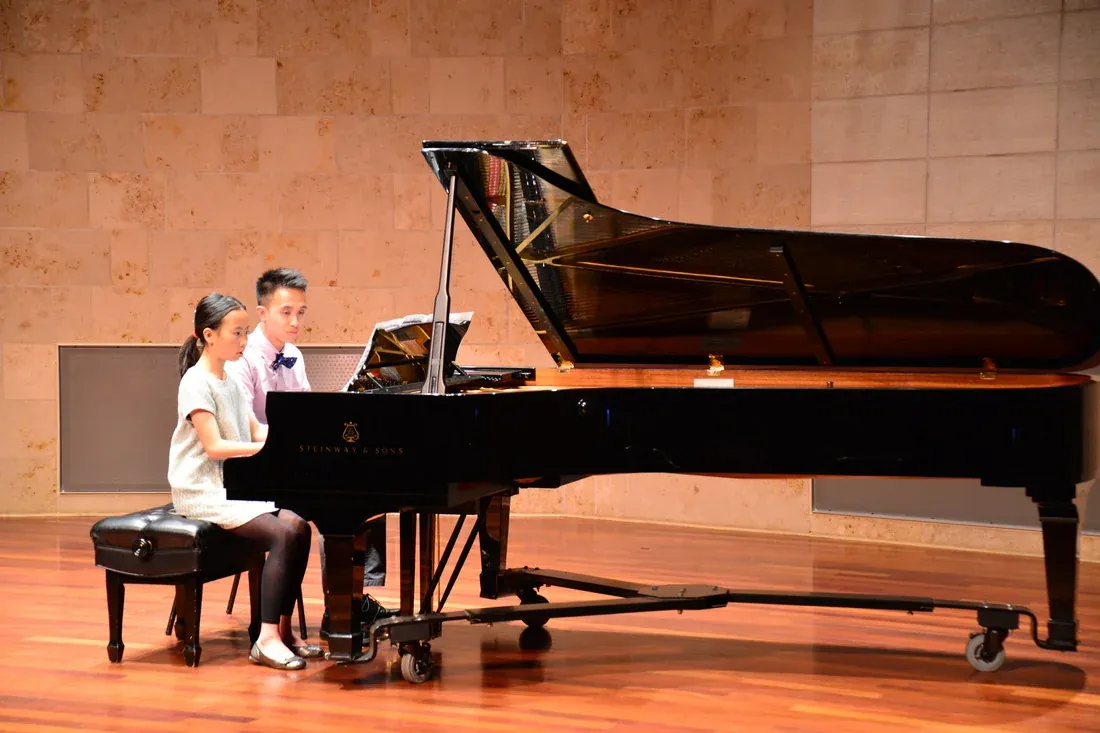
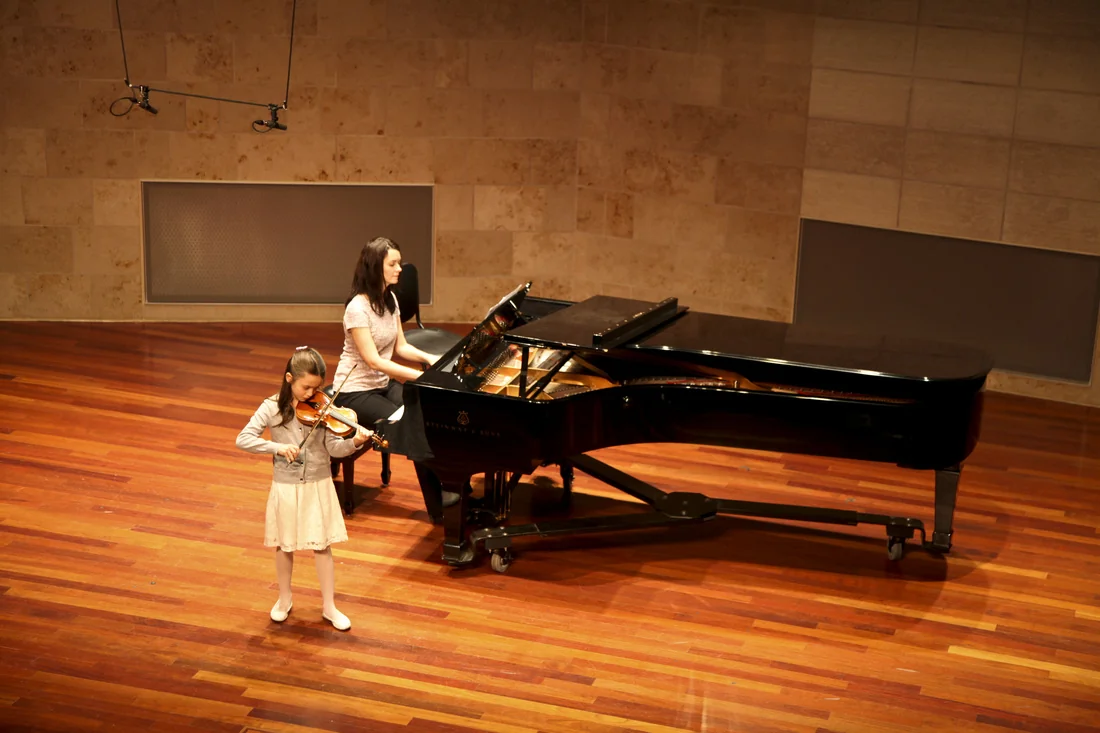
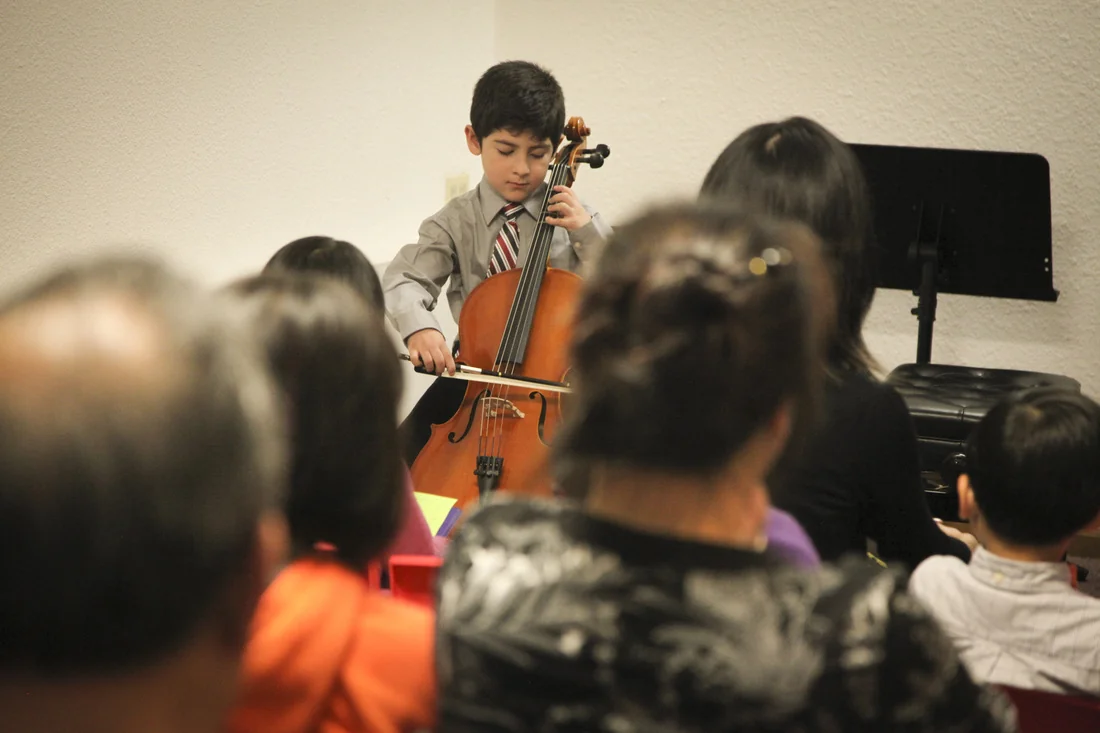
Performance is another useful part of a growing routine. It gives practice a purpose beyond getting through an assignment. Amabile's recital opportunities let students prepare a manageable piece, share it in a supportive setting, and learn that a small daily habit can become something worth celebrating.
How Amabile Helps Beginners Practice With Purpose
A helpful lesson sends a student home knowing exactly what to try before next week.
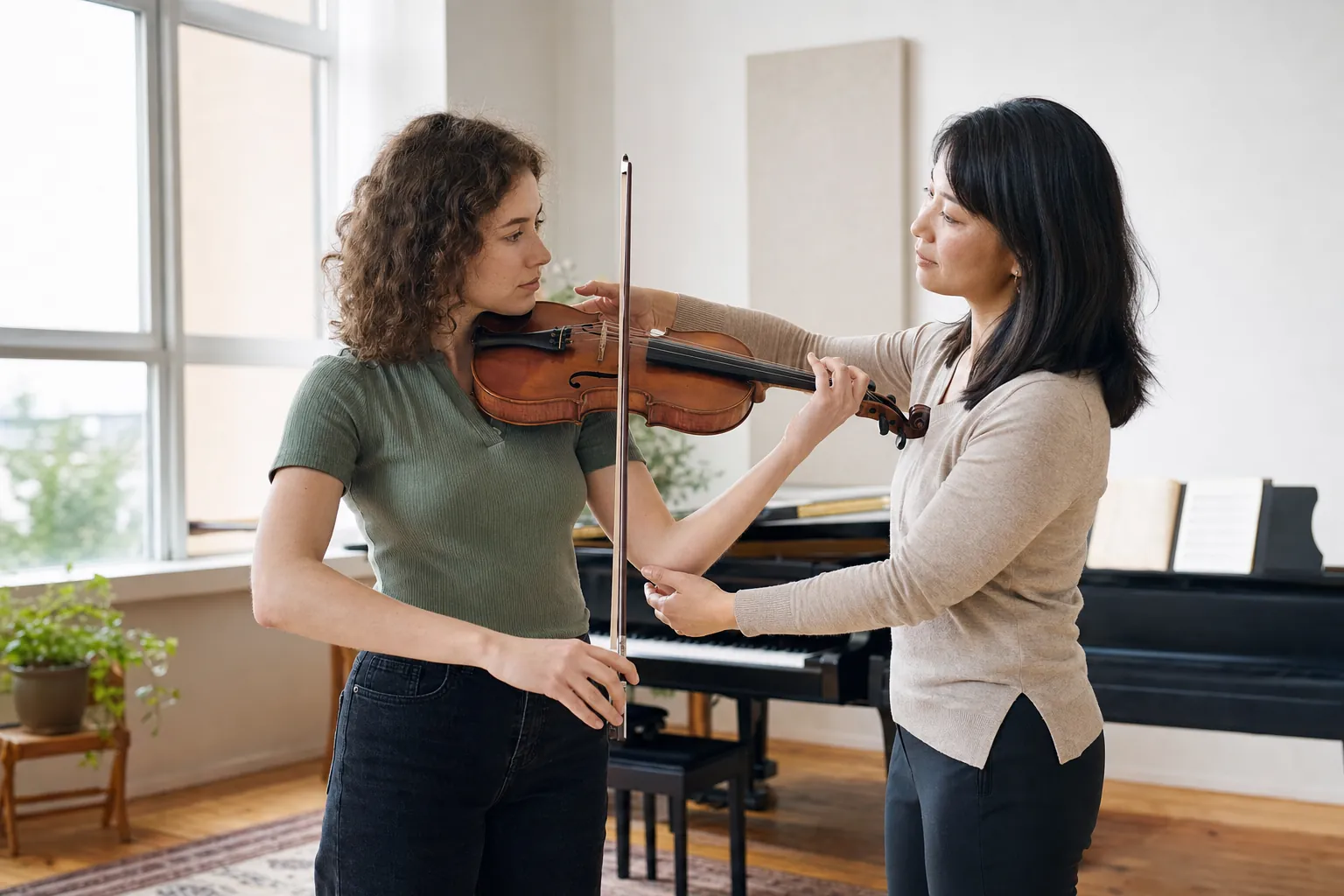
Amabile violin teachers help students turn broad advice into manageable work. That may mean a shorter routine for a young beginner, a clearer plan for a teen preparing for ensemble, or a flexible practice strategy for an adult coming back to music. The aim is not to make every session perfect. It is to make the next step clear enough that the student keeps going.
Families can explore children's violin lessons, while adult beginners can see the approach to adult violin lessons. Students can also review violin lessons in San Francisco, lesson options and tuition, and the school's teaching faculty before booking a trial lesson.
Frequently Asked Questions
How long should a beginner practice violin each day?
Many beginners do well with 10 to 20 focused minutes, adjusted for age, energy, and the teacher's assignment. Short practice on several days is usually more effective than one long session before the next lesson.
What should a beginner violinist practice first?
Start with the teacher's specific assignment. Early practice often includes careful setup, open strings or a simple warmup, one short rhythm or finger pattern, and a small section of the current piece.
Should beginners practice violin every day?
Most students benefit from frequent contact with the instrument, but a missed day does not undo progress. Aim for a routine that the student can repeat calmly most days rather than chasing a perfect streak.
How can I help my child practice violin?
Protect a predictable time, keep the instrument and music ready, ask about the teacher's assignment, and praise careful effort. Let the teacher handle detailed corrections and ask for help when the home routine is not working.
What if violin practice sounds bad at first?
Early scratchy or uneven sounds are normal. Slow open strings, relaxed setup, and one specific goal give a beginner something concrete to improve. If a sound continues to worry the student, write it down and ask the teacher at the next lesson.
Related Posts
More practical guidance for beginners and families building a steady music-learning routine.