Quick answer
You can start music lessons as an adult with no experience, no ability to read music, and no perfect amount of free time. Begin with an instrument you genuinely want to hear, a teacher who understands your goals, and a small weekly practice plan. The first job is not to prove that you are talented. It is to make the next step clear enough that you will take it.
You Are Not Too Late To Start
Adult beginners do not need to catch up with someone who started at age six. They need a plan that begins where they are.
Many adults delay lessons because they imagine a room full of advanced players, a teacher who expects them to know music theory, or a first lesson that feels like an exam. A good beginner lesson is not any of those things. It is a conversation about the music you enjoy, a chance to try a few basic sounds or rhythms, and a simple way to decide what to work on next.
Adults bring useful strengths to the process. You can name a goal, ask why a technique matters, notice what fits your schedule, and connect a new skill to music you already love. The hard part is often being patient when your hands, voice, or sense of rhythm need time to catch up with your ears. That is normal. Early lessons should create small wins without pretending that foundations do not matter.
The National Association for Music Education recommends starting new music-reading work with simple, familiar patterns so beginners can build confidence before the work becomes more complex. Its guidance on beginning sight reading captures a useful adult-learner principle too: start small, understand the task, and let repetition do its quiet work.
Choose The Instrument You Want To Keep Hearing
The best first instrument is usually the one that makes you want to come back tomorrow.
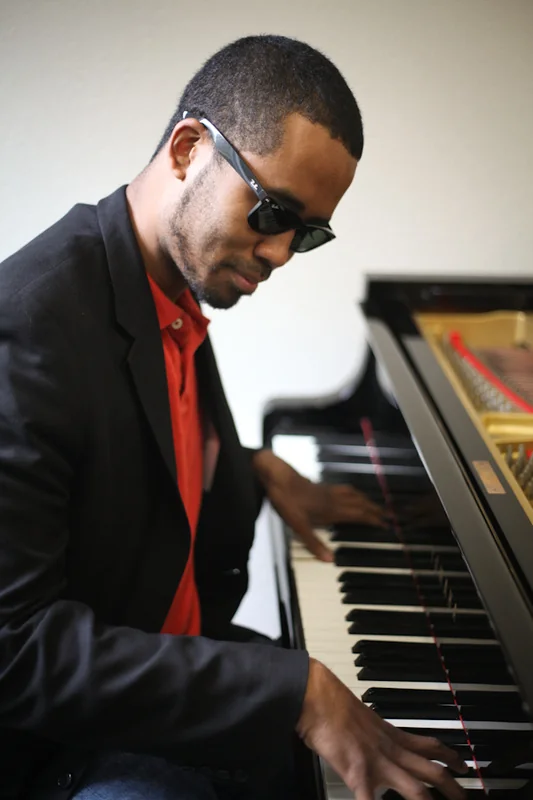
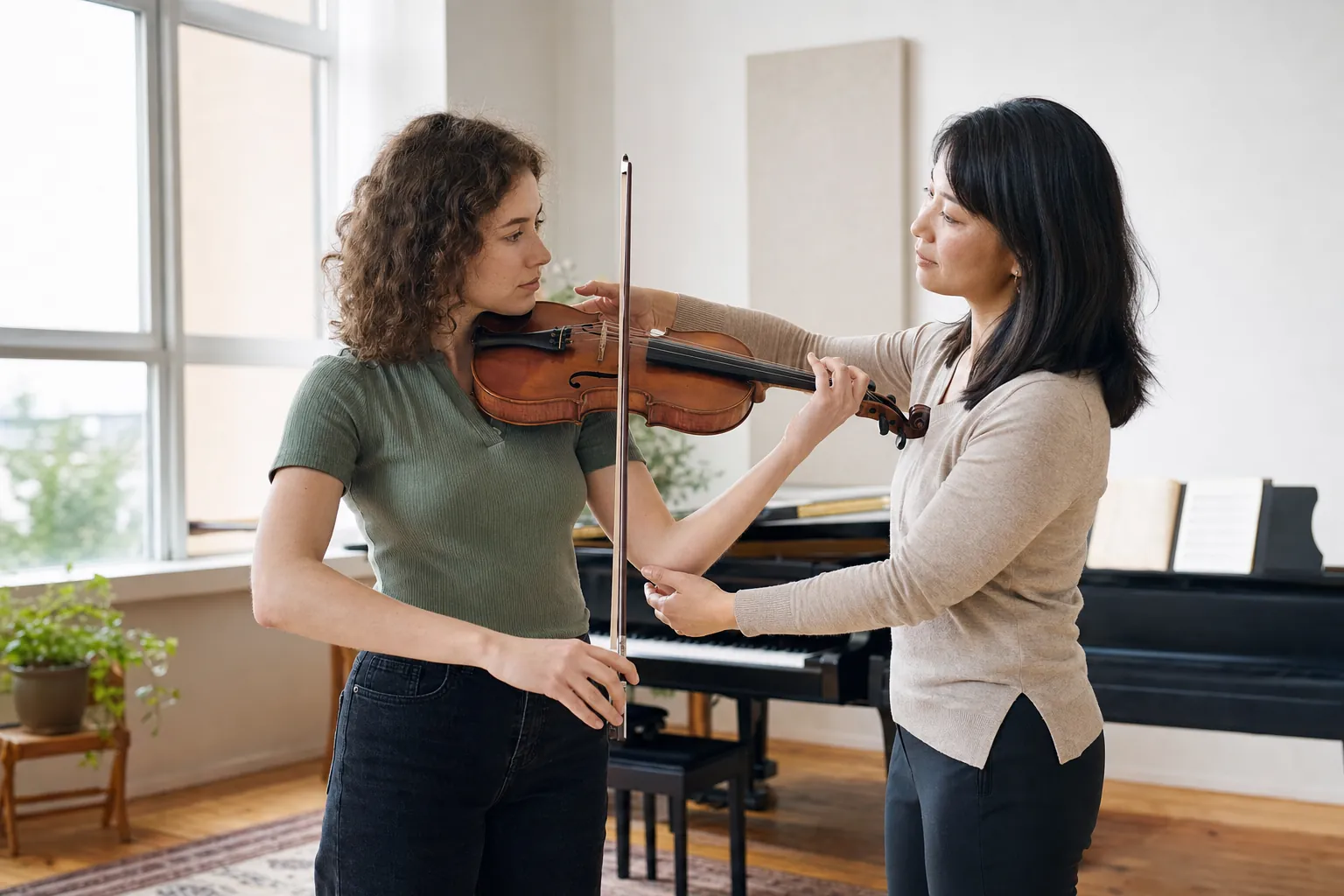
There is no universally easiest instrument. Piano makes note patterns visible and can produce a full sound right away. Guitar is portable and quickly connects to songs, though fingertip comfort and chord changes take patience. Voice requires no purchase but benefits from careful technique and listening. Violin rewards close attention to sound and posture. Drums can be wonderfully direct for people drawn to rhythm and coordination.
Instead of asking which instrument is objectively easiest, ask better questions:
- What kind of music would I be excited to play or sing?
- Do I want melody, chords, rhythm, or a combination?
- How much space and sound can my home comfortably support?
- Can I practice on this instrument most days?
- Would a trial lesson help me decide before I buy anything major?
You do not have to choose perfectly. A trial is useful because it turns a vague preference into a real experience. If piano interests you, see what the keyboard layout feels like. If guitar is calling you, try a few strings and a simple rhythm. If singing is the draw, hear how a teacher approaches breath, pitch, and songs you like. Curiosity is enough to begin.
What Happens In A First Adult Lesson
The first lesson should give you a useful starting point, not a long list of things you do not know yet.
A teacher will usually ask about your musical background, favorite artists or styles, a song you would love to play, and what you want music to add to your week. That information matters. Someone who wants to sing with confidence, play chords after work, prepare for a community ensemble, or return to an instrument after twenty years needs a different first plan.
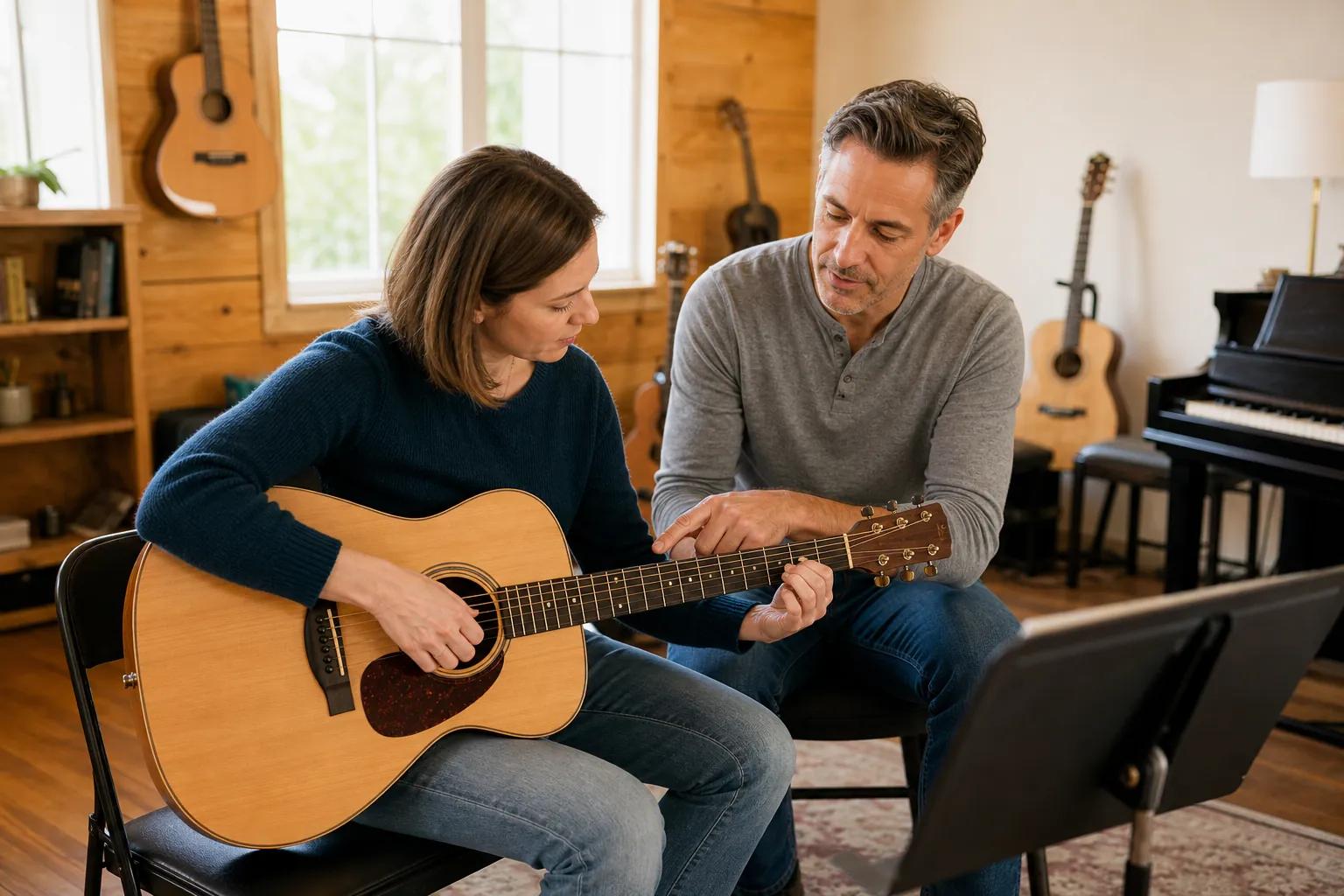
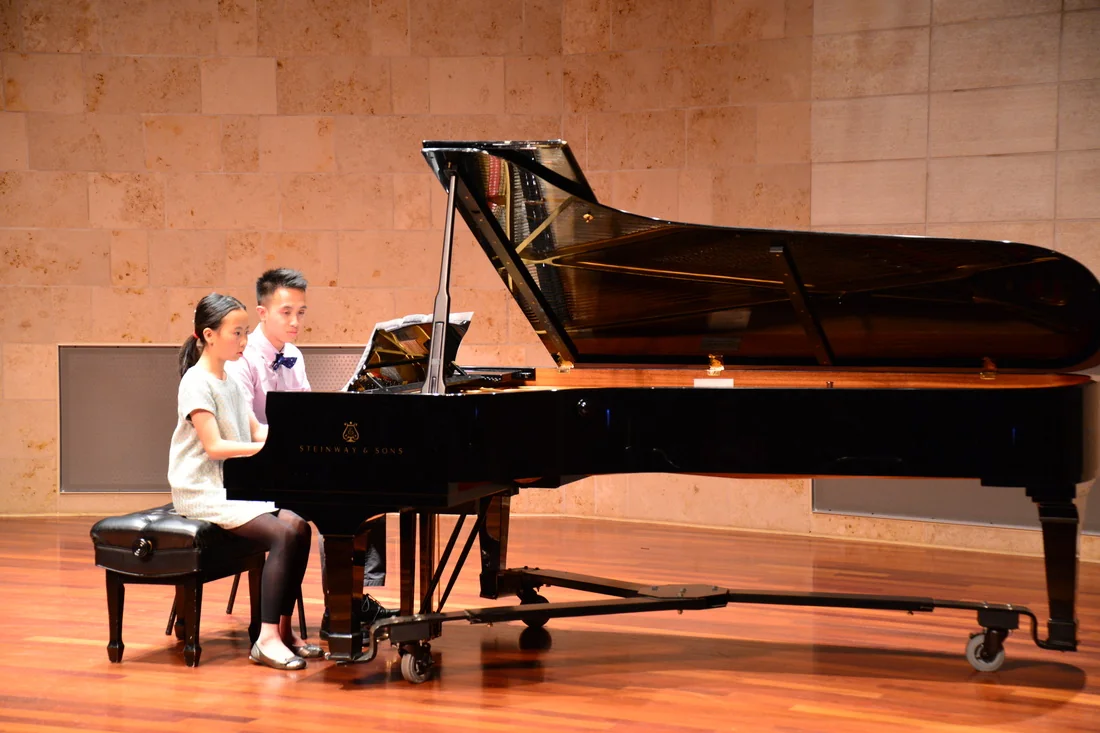
Then you will make some music. A piano student might learn the keyboard pattern, clap a rhythm, and play a short melody. A guitar student might learn how to hold the instrument, make a clean sound, and try a chord shape. A voice student may explore comfortable sounds, breath, and a small phrase. A drum student may work with pulse and a basic beat. The goal is not to cover everything. It is to give you one or two clear jobs for the week.
Bring your questions. Tell the teacher if a schedule, old injury, hearing concern, budget, or home setup could affect practice. There is no prize for pretending a plan is easier than it is. Honest information helps the teacher build something you can actually sustain.
Set Up A Realistic First Month
A modest plan that happens is more valuable than a demanding plan that becomes a source of guilt.
For many adult beginners, one lesson each week plus short practice on several days is a strong place to start. You might only have ten to twenty minutes at a time. That can still be enough when the task is specific. Consistency helps your hands, ears, reading, and rhythm stay familiar between lessons.
| Part of the session | A useful beginner job | Why it helps |
|---|---|---|
| 2 minutes | Set up, review the assignment, and choose one goal. | You begin with direction instead of wandering. |
| 5 minutes | Repeat a warmup, rhythm, chord, scale, or breathing exercise slowly. | A small skill gets reliable before you add more. |
| 8 minutes | Work on one short section of the assigned music. | You solve a real problem rather than only playing from the beginning. |
| 3 minutes | Finish with something familiar and note one question for the teacher. | Practice ends with music and gives the next lesson a clear starting point. |
Put the instrument where it is easy to reach. Leave music on the stand. Decide whether you practice before dinner, after a walk, or during a quiet part of the morning. The routine does not have to be impressive. It just needs a place in the week. If you miss a day, return the next day without trying to punish yourself with a marathon session.
Buy Equipment In The Right Order
A suitable setup helps, but a major purchase should follow practical advice rather than beginner anxiety.
Ask a teacher what you need before you spend heavily. Piano students generally benefit from regular access to an acoustic piano or a full-size weighted digital piano. Guitar, violin, and other instrument students need an instrument that fits their body and is in workable condition. Voice students need a comfortable place to practice, water, and a way to hear themselves back, not a closet full of gear.
Renting can be sensible when you are still learning what suits you, especially for string instruments. For any instrument, reliable access and a safe setup matter more than finding the cheapest possible option. A teacher can help you distinguish a useful starter instrument from one that makes basic technique unnecessarily difficult.
Keep your first list short: the instrument or a reliable place to use one, a comfortable chair or stand when appropriate, the teacher's recommended book or music, and a simple way to track assignments. You can add accessories once you know what they actually solve.
Know What A Helpful Teacher Looks Like
A strong adult teacher makes the work clear without making you feel small.
Look for someone who enjoys teaching beginners, explains the reason behind an assignment, listens to your goals, and adjusts the pace when life gets busy. A teacher does not need to let every lesson drift toward whatever sounds easiest. Good instruction includes correction and challenge. The difference is that you understand what you are working on and why.
During a trial, notice whether you leave with a clear plan. Can you name the next practice task? Did the teacher connect the exercise to an instrument skill or song? Were your questions welcomed? Did the pace feel challenging but manageable? These signals matter more than a flashy performance background alone.
It is also reasonable to ask how the school handles scheduling, lesson length, tuition, and communication. Adults are more likely to keep lessons when the logistics are clear. Review Amabile's faculty profiles, lesson options and tuition, Bay Area locations, and common questions before you book if those details will help you choose confidently.
Make Progress Visible
The first months rarely feel dramatic from one day to the next, which is why small markers are worth noticing.
Progress can look like a cleaner chord, a steadier beat, less tension in the shoulders, a phrase that no longer stops you, or the ability to recognize a pattern on the page. Record a short excerpt once in a while, with your own comfort in mind. Comparing a recording from this month to one from a few months ago can reveal changes your daily ear has missed.
Keep goals concrete. “Play more music” is a good reason to start, but it is vague as a weekly assignment. “Learn the first eight measures,” “switch between two chords without stopping,” “sing this phrase with a steadier breath,” or “keep the beat through the chorus” gives you a job you can finish. The teacher can help turn a broad musical dream into those useful next steps.
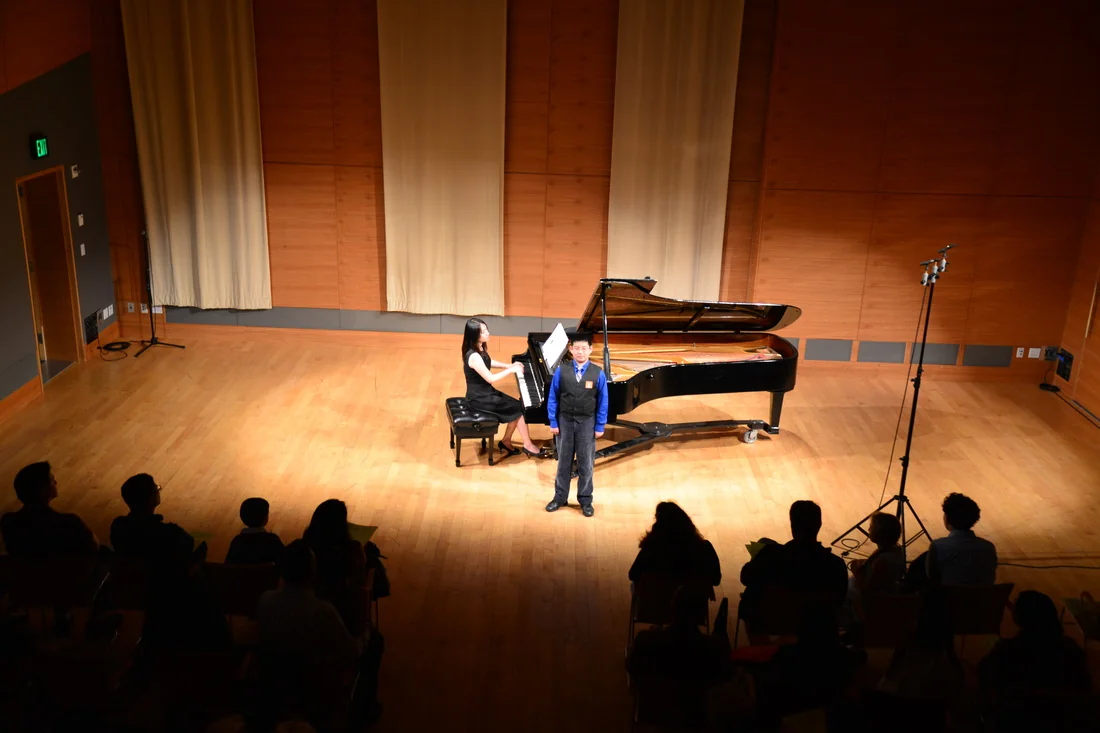
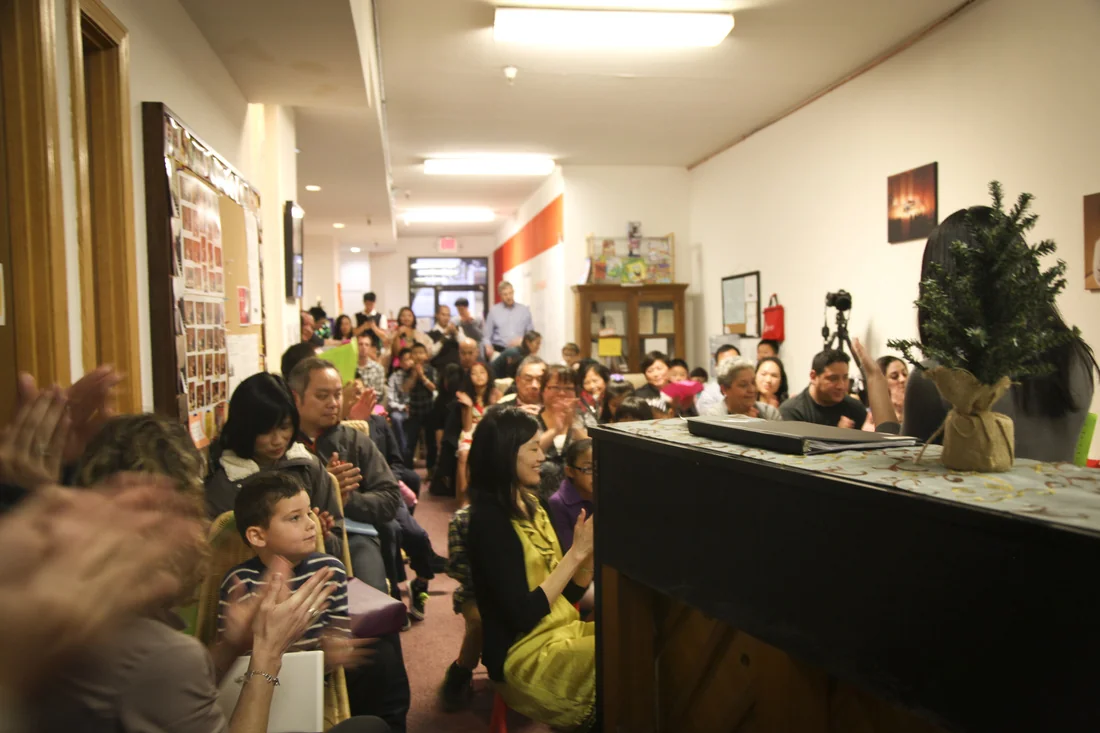
Performance is optional, not a requirement for being a real musician. Still, a low-pressure recital or informal sharing opportunity can give practice a purpose beyond the living room. Amabile's recital opportunities let students share a prepared piece when that feels like the right next challenge.
How Amabile Helps Adult Beginners Start
The best beginning is one that matches the music you care about and the week you actually have.
Amabile School of Music offers adult lessons in piano, guitar, voice, violin, drums, and more, with lessons in San Francisco, Moraga, and online. A trial lesson gives you a practical way to discuss your goals, try an instrument, and understand what regular study could look like before you decide on an ongoing routine.
Adults can explore adult piano lessons, adult guitar lessons, adult voice lessons, adult violin lessons, and adult drum lessons. The first goal is simple: leave with a starting plan that makes practice feel possible.
Frequently Asked Questions
Can adults start music lessons with no experience?
Yes. Adult beginners can start with no previous lessons, no music-reading background, and no particular level of talent. A good first lesson begins with your interests and gives you a manageable practice plan.
What is the easiest instrument for an adult beginner?
The easiest instrument is usually the one you are motivated to practice. Piano is a common starting point because the layout is visible, but guitar, voice, drums, violin, and other instruments can be strong choices when they fit your musical goals and home setup.
How much should an adult beginner practice?
Many adults do well with 10 to 20 focused minutes on several days each week, plus a regular lesson. The teacher's assignment should guide the plan. A short routine you repeat is more useful than an ambitious schedule you cannot keep.
Do I need to own an instrument before my first lesson?
Not always. A trial lesson is a sensible time to ask the teacher what setup is appropriate before making a purchase. Once you begin regular lessons, reliable access to a suitable instrument will support steady practice.
Is it better to learn music online or in person as an adult?
Both can work. In-person lessons offer direct feedback and a dedicated place to learn, while online lessons can be convenient when you have a clear camera and audio setup. The strongest format is one you can attend consistently and use to build an effective home routine.
Related Posts
More practical guidance for adults and families building a steady music-learning routine.