Quick answer
Beginner piano lessons for adults usually start with keyboard layout, finger numbers, posture, rhythm, simple reading, chords, and short songs that build confidence. Adults can absolutely start from scratch, but the best progress comes from clear teacher feedback, realistic practice, and lesson goals that match the music you actually want to play.
Adult beginners often arrive with two fears: that they are too late, or that they should somehow be good faster because they are adults. Neither is useful. Piano is a physical and musical skill. Understanding the idea helps, but your hands still need repetition, your ear still needs time, and your reading still improves one small pattern at a time.
The upside is that adults usually know why they are there. Some want to play songs for themselves. Some want to return after childhood lessons. Some want to understand music better, accompany singing, reduce screen time, or finally do the thing they kept postponing. A good adult piano teacher uses that motivation instead of handing every adult the same child-centered path.
The Royal Conservatory's adult piano class description is a useful model: adult learners need foundational instruction, engaging playing, and ongoing feedback. That is the combination to look for, whether you choose private lessons, group classes, or a school-based program.
What Happens in the First Adult Piano Lessons
The first lessons should make the instrument feel understandable, not prove how much you do not know.
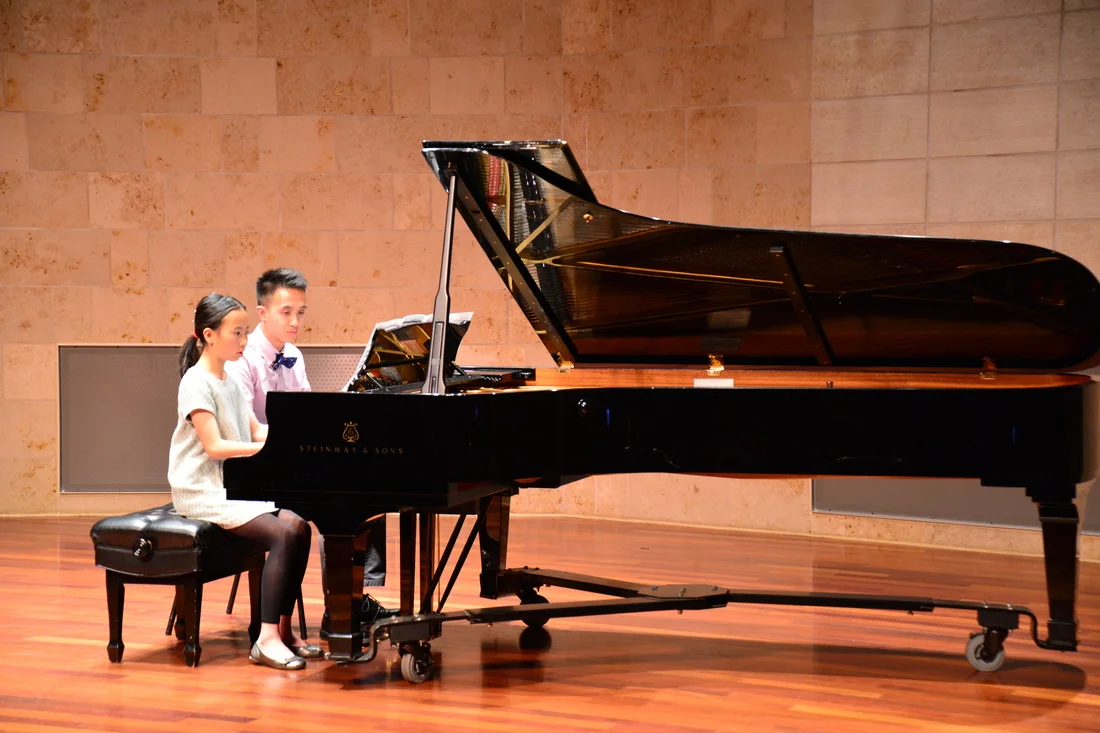
A strong first lesson usually starts with a conversation. The teacher should ask about your goals, your musical background, your schedule, your instrument at home, and any past experience. If you are starting from zero, that is fine. If you played for three years as a child and remember almost nothing except middle C and mild panic, that is also fine.
Then the lesson normally moves into basics: how the keyboard is organized, how fingers are numbered, how to sit without tension, how rhythm works in simple counts, and how to play short patterns with one or both hands. You may also try a simple melody or chord pattern so the lesson ends with something musical instead of only explanation.
Good beginner piano lessons for adults balance three jobs:
- make the keyboard feel less mysterious
- build enough technique to avoid painful habits
- connect fundamentals to music you care about
If a teacher only gives you dry drills, motivation drops. If they only give you songs without fundamentals, progress gets fragile. Adults usually need both: real music early and clear skill-building underneath it.
What Adult Beginners Learn First
The first stage is less about impressive songs and more about building a reliable map.
Adult beginners usually start with the same core skills as younger beginners, but the pacing and explanation should feel different. Adults often appreciate knowing why a skill matters. They also tend to ask better questions when something feels awkward, which is useful if the teacher welcomes questions instead of rushing through a method book.
The early skill list often includes:
- keyboard geography and note names
- finger numbers and relaxed hand shape
- simple rhythm counting and steady beat
- reading short patterns on the staff
- right-hand and left-hand coordination
- basic chords, intervals, and familiar patterns
- practice habits that make short sessions useful
The Royal Conservatory program overview shows how structured music study moves from preparatory levels through more advanced work. You do not need exams to learn piano well, but the sequence matters. Beginners improve faster when each skill has a clear next step.
| Early lesson focus | Why it matters | What progress looks like |
|---|---|---|
| Reading | Turns the page into patterns instead of guesses | Recognizing notes, intervals, and repeated rhythms faster |
| Technique | Keeps hands relaxed and sound controlled | Less tension, cleaner movement, fewer repeated mistakes |
| Practice | Makes weekly lessons compound instead of reset | Shorter, more specific sessions that actually improve pieces |
Are Adults Slower Than Kids at Learning Piano?
Adults are not worse beginners. They are different beginners.
Children often absorb repetition without overthinking it, but they may need more help with attention, reading, and routine. Adults often understand explanations quickly, but they may judge themselves harder when their hands lag behind their brain. That mismatch can make adult beginners feel clumsy even when they are learning normally.
Adults also bring musical preferences. That is an advantage when used well. A teacher can connect chords, rhythm, reading, or technique to music the adult actually likes. The risk is skipping foundations too quickly because the student wants to play a favorite song tomorrow. Ambition is good. Jumping three levels too soon is how motivation leaks out.
The better question is not whether adults learn faster or slower. It is whether the lessons match adult realities: work schedules, limited practice windows, clear goals, and a desire to understand what each assignment is doing. When those are respected, adult beginners can make steady, satisfying progress.
How Much Should Adult Beginners Practice?
Short, specific practice beats heroic Sunday catch-up sessions.
Most adult beginners do better with a repeatable routine than with a dramatic plan they cannot keep. Ten to twenty focused minutes on most days can be more useful than one long session after a busy week. Piano rewards frequency because coordination, reading, and rhythm need regular reminders.
A practical adult practice session might look like this:
- Warm up for two minutes: simple finger patterns, scales, or a relaxed movement from the lesson.
- Fix one small spot: choose two measures, slow them down, and repeat them accurately.
- Play the assigned piece: connect the fixed spot back into the music.
- End with something enjoyable: a familiar song, chord pattern, or short improvisation.
If practice is your main worry, read how to practice piano. The most important shift is learning how to practice, not just promising to practice more.
Private Lessons, Apps, Books, or Group Classes?
The best format depends on how much feedback and accountability you need.
Apps and books can be useful, especially for extra drills or flexible practice. They are not useless. The problem is that adult beginners often cannot tell which mistake matters. Are you missing the rhythm? Collapsing the wrist? Guessing the notes? Practicing too fast? Avoiding the left hand? A good teacher can spot the real issue quickly.
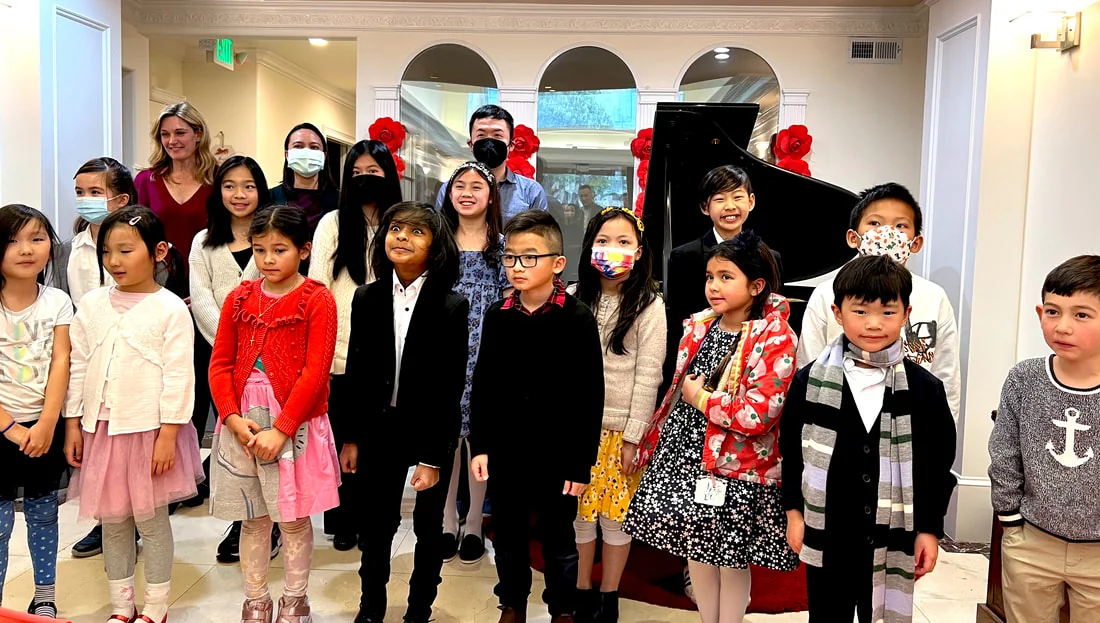
Private lessons are usually strongest when you want personal correction, teacher matching, and a plan that adapts to your goals. Group classes can work well when you want a social setting and lower-pressure structure. Apps and books can support either one, but they rarely replace a teacher for posture, sound, pacing, and accountability.
The NAMM Foundation's adult music-making research summary notes that adult music-making can support mood, social connection, and quality of life in addition to musical skill. That is one reason the learning environment matters. A lesson should not feel like a test you are failing every week. It should feel like a structured place where effort turns into visible progress.
How to Choose an Adult Piano Teacher
Teacher fit matters more for adults than many people admit.
Adults need a teacher who can explain clearly without sounding condescending, correct technique without making the lesson tense, and connect fundamentals to real musical goals. A brilliant performer is not automatically the best beginner teacher. Look for someone who enjoys teaching beginners and knows how to break work into manageable steps.
Ask direct questions before enrolling:
- Do you teach adult beginners regularly?
- How do you balance reading, chords, technique, and songs?
- What should I practice between lessons?
- Can lessons include music I want to play?
- How will we know I am making progress?
- Are recital or informal performance opportunities available if I want them?
Also look at the school around the teacher. Adults often need scheduling support, clear tuition information, and an easy way to start without a long commitment. That is where pages like lesson pricing, faculty profiles, and common questions help reduce uncertainty before the first lesson.
What Progress Looks Like in the First Year
Progress is usually uneven, but it should not be invisible.
In the first few weeks, many adults can play simple melodies, understand basic keyboard patterns, and begin reading short pieces. After a few months, lessons may include hands-together playing, simple chords, more confident rhythm, and music that sounds less like an exercise. After six to twelve months, a consistent adult beginner usually has a clearer practice routine and a stronger sense of how pieces are built.
That does not mean every adult follows the same timeline. A person practicing five days a week will progress differently from someone who practices once. Someone with prior choir, guitar, or childhood piano experience may recognize patterns faster. Someone starting completely fresh may need more time with reading and rhythm.
For a fuller timeline, read how long it takes to learn piano. The short version is simple: the first year should make piano feel more understandable, more musical, and less dependent on guessing.
How Amabile Can Help
Adult beginners need clear teaching, flexible structure, and a first step that does not feel intimidating.
Amabile School of Music offers adult piano lessons in San Francisco, Moraga, and online. Students can start from scratch, return after years away, or use lessons to build stronger reading, technique, chords, and practice habits.
Adult students can compare adult music lesson options, review both Bay Area locations, meet the teaching team, and choose a trial lesson before deciding what ongoing schedule makes sense.
The point is not to rush you into sounding advanced. The point is to make the first stage clear enough that you keep going.
Frequently Asked Questions
Can adults learn piano with no experience?
Yes. Adults can start piano with no experience. The first lessons should focus on keyboard layout, rhythm, hand position, simple reading, and short pieces that build confidence without skipping fundamentals.
Are beginner piano lessons for adults different from lessons for kids?
The fundamentals are similar, but the teaching should feel different. Adults usually benefit from clearer explanations, goal-based planning, realistic practice routines, and music choices that connect to their own interests.
How long should adult beginner piano lessons be?
Many adult beginners do well with 45-minute lessons because there is enough time for technique, reading, repertoire, and questions. Some adults choose 60 minutes when they want a deeper pace or have more ambitious goals.
Do adult piano beginners need a real piano at home?
A quality acoustic piano or full-size weighted digital piano is ideal. Beginners can sometimes start with a temporary keyboard, but the home instrument should support proper hand position, dynamics, and regular practice as soon as possible.
Is it better for adults to learn piano online or in person?
Both can work. In-person lessons are helpful for detailed technique and direct feedback, while online lessons can be strong when the setup is clear and the teacher can see and hear the student well. The best choice is the one you can attend consistently.
Related Posts
How Long Does It Take to Learn Piano?
A realistic timeline for beginners comparing early wins, reading, practice, and long-term progress.
Is Piano Hard to Learn?
A practical look at what makes piano challenging and what helps beginners keep going.
How to Practice Piano
A realistic practice routine for students who want weekly lessons to turn into steady progress.