
Quick answer
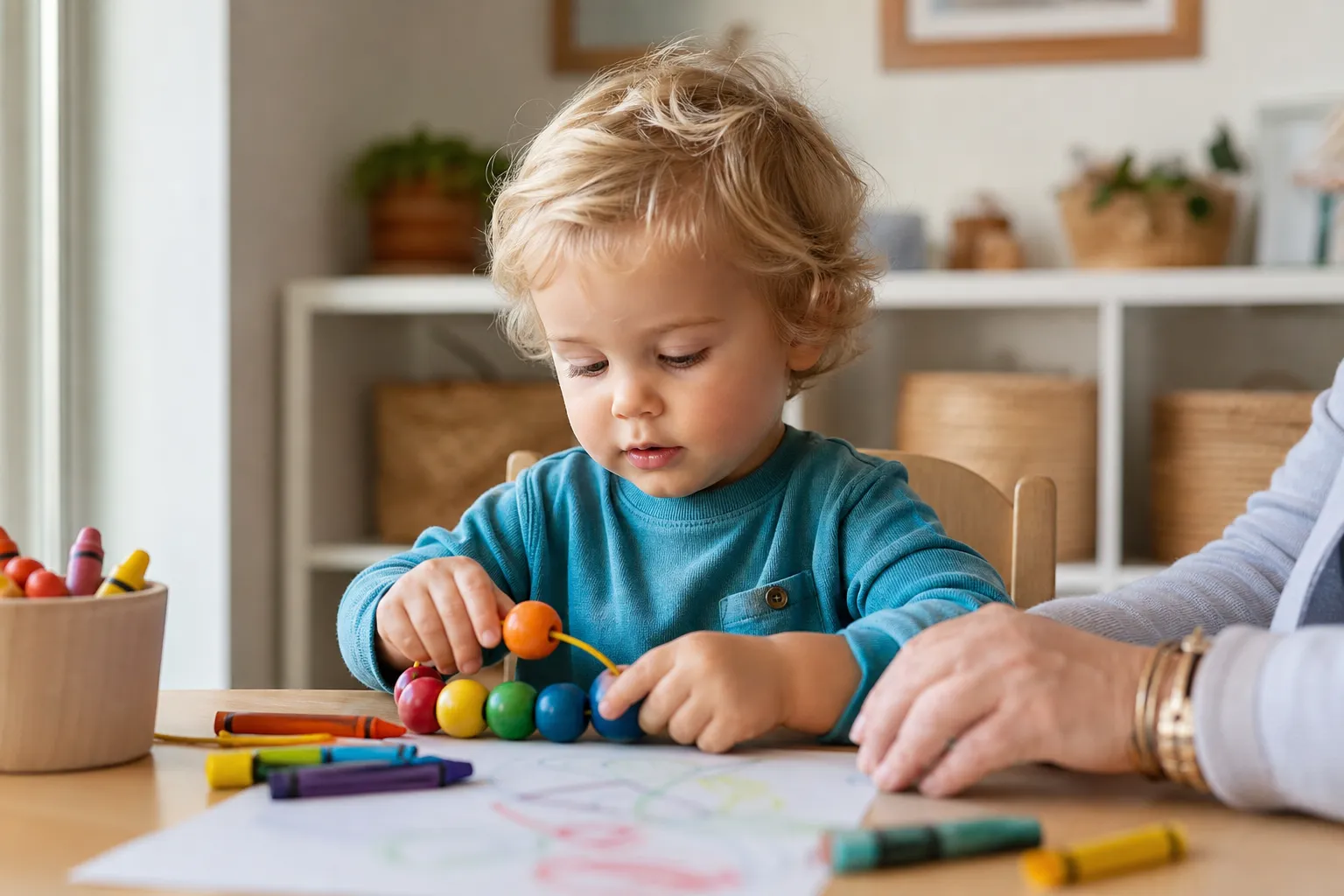
The best fine motor activities for toddlers are supervised, play-based tasks that ask them to squeeze, pinch, peel, stack, drop, draw, press, and transfer. Good options include playdough, stickers, chunky crayons, posting activities, large beads, simple puzzles, clothespins with help, and kitchen tasks such as scooping or pouring.
That matters because fine motor skills start showing up in daily life long before formal handwriting. Toddlers use them to feed themselves, turn pages, stack blocks, hold crayons, put objects into containers, and help with dressing. The CDC’s milestones for age 3 include stringing items such as large beads or macaroni, using a fork, and putting on some clothes. Those are practical clues that hand skills are developing through ordinary routines, not only through structured activities.
The CDC’s toddler parenting guidance for ages 2 to 3 also frames this stage around movement, play, and active learning. That is a helpful mindset for parents. Fine motor activities for toddlers work best when they feel interesting and manageable, not when they feel like mini school assignments.
If you are building a broader routine around this age, our guides to toddler activities at home, sensory activities for toddlers, and indoor activities for kids can help you connect hand skills with a more complete home rhythm.
What Fine Motor Activities For Toddlers Are Really Building
Parents get better results when they look at the hand skill under the activity.
Toddler fine motor activities are not all doing the same job. Some build hand strength. Some build pincer grasp. Others help with bilateral coordination, hand-eye control, or the ability to release objects on purpose. That is why one toddler may love dropping pompoms into a tube but still resist crayons, while another happily scribbles but struggles with puzzles or utensils.
In practical terms, strong fine motor activities for toddlers often support one or more of these building blocks:
- hand strength for squeezing and gripping
- pincer grasp for picking up and placing small but safe objects
- bilateral coordination for one hand helping the other
- hand-eye coordination for stacking, posting, and lining things up
- controlled release for dropping items into containers on purpose
That is one reason repetition matters so much at this age. Toddlers are not practicing for neatness yet. They are learning what their hands can do. The win is not a polished final product. The win is repeated, engaged hand use.
Start With The Easiest Toddler Fine Motor Activities First
The best activities are usually the ones a toddler will happily repeat.
Parents often get the best results from activities that look almost too simple. Toddlers do not need complicated instructions. They need clear actions, safe materials, and enough repetition to feel successful.
These are some of the most reliable places to start:
- Playdough: squeeze, poke, roll, pinch, hide large safe objects, or press with toy tools.
- Stickers: peel and place on paper, cups, or large drawn shapes.
- Chunky crayons and dot markers: make scribbles, dots, and short lines without pressure to color inside anything.
- Posting activities: drop large craft sticks, lids, or pom-poms into a box slot or container opening.
- Large beads and lacing with help: useful for older toddlers who are still closely supervised.
- Simple transfer tasks: move cotton balls, large pom-poms, or blocks from one bowl to another with hands or scoops.
These fine motor activities for toddlers work because they give a young child one clear job. Squeeze this. Peel that. Drop it here. That kind of immediate feedback is exactly what many toddlers need.

Use Everyday Routines As Fine Motor Practice
For toddlers, daily life often works better than a formal activity block.
Some of the best fine motor activities for toddlers do not look like activities at all. They happen during snack, cleanup, bath time, and getting dressed. A toddler who peels a banana, drops napkins onto the table, scoops oats, helps zip a jacket, turns pages, stacks cups, or puts toys back into bins is still doing useful hand work.
That is often why daily routines create better carryover than one isolated craft. The child understands the purpose. They are using their hands to do something real. That tends to hold attention longer than an adult-directed task that feels random.
HealthyChildren’s toddler guidance also emphasizes active, hands-on learning in normal life. Parents do not need to carve out an hour to support development. Small repeated moments count. If your toddler already likes helping in the kitchen or carrying little jobs around the house, that is often a strong entry point.
Families building a fuller home routine may also find overlap in our guides to summer activities for kids, rainy day activities for kids, and preschool nursery activities.

Toddler Art And Sensory Play Can Build Hand Skills Too
At this age, messy play often supports fine motor growth better than a polished craft project.
Toddlers usually benefit more from process-based play than from finished crafts. Scribbling with chunky crayons, finger painting, pressing stamps into dough, pulling painter’s tape off cardboard, tearing tissue paper, and digging for objects in a supervised sensory bin all give the hands useful work to do.
This is also where many families naturally blend fine motor and sensory play. A toddler digging, scooping, squeezing, and pouring is getting hand practice while also exploring texture and cause-and-effect. If your child enjoys that kind of setup, our guide to sensory activities for toddlers is a good companion to this article.
The key is choosing materials that are age-appropriate and closely supervised. Toddlers still mouth objects, so parents need to be more selective here than they would be with preschoolers. Large safe tools and direct supervision matter more than variety.

How Fine Motor Activities Help With Early Tool Use
Toddlers are building the foundations for crayons utensils containers and self-care tasks.
Parents often notice fine motor skills when they start thinking about crayons, but the bigger picture is early tool use. Toddlers are learning how to hold spoons and forks, release blocks into containers, turn pages one at a time, use both hands together, and stabilize something with one hand while the other does the work.
Those skills support later readiness for scissors, more controlled drawing, and early school tasks, but they also matter right now for independence. A toddler who can manage snack containers, simple puzzles, shape sorters, and scribbling tools is building confidence as well as coordination.
If concerns keep showing up across several everyday tasks, not just one activity, it is worth paying attention. The CDC encourages parents to track milestones and talk with a doctor when something feels off or a child seems to be losing skills. Fine motor activities help, but they should not be used to brush off a real concern.

Music Can Be A Gentle Fine Motor Bridge For Toddlers
For some children, rhythm and sound make hand practice easier to repeat.
Music does not replace the full range of toddler fine motor activities, but it can support the same foundations in a motivating way. Clapping games, finger plays, shaking rhythm eggs, tapping a steady beat, and simple keyboard exploration all involve controlled movement, repetition, hand awareness, and timing.
That can be especially helpful for toddlers who lose interest in table activities quickly. A child who resists crayons may still happily repeat a hand motion in a song, clap to a beat, or press piano keys one by one. Interest matters. Repetition only helps when a toddler is willing to keep going.
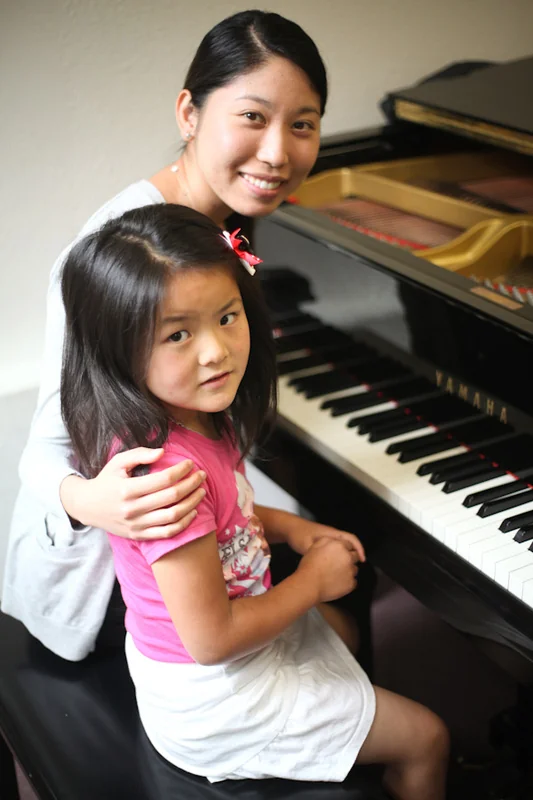
At Amabile, that connection becomes especially useful as children get older. The school’s Little Mozart class gives age-4 beginners a structured path into keyboard basics, musical games, movement, and a mini-recital. For families watching early rhythm interest grow into something more focused, that can be a natural next step.
A Simple Weekly Fine Motor Plan For Toddlers
Most toddlers do better with short, repeatable moments than with long sit-down sessions.
If you want a realistic place to start, try this simple weekly pattern:
- One squeeze day: playdough, sponge squeezing, or squishy bath toys.
- One peel day: stickers, painter’s tape, or sticky notes on paper or cardboard.
- One transfer day: scoop or move large safe objects from one bowl to another.
- One scribble day: chunky crayons, dot markers, or washable paint.
- One music day: clapping games, finger songs, rhythm instruments, or simple piano exploration with an adult.
Each session can be brief. Five to ten minutes is often enough for a toddler. What matters most is consistency, supervision, and stopping while the child is still enjoying the activity.
Useful Resources And Related Reading
These sources can help parents understand toddler hand development without overcomplicating it.
The CDC milestone page for age 3 is helpful for broad developmental checkpoints. The CDC’s positive parenting tips for toddlers provide useful context for the whole stage. You can also browse the Fine Motor Skills category, return to the full Amabile blog, or compare this topic with our articles on fine motor activities and fine motor activities for preschoolers.
When Toddler Hand Skills Start Looking Like Readiness For Music
Amabile School of Music helps Bay Area families turn early rhythm interest and confident hand use into joyful first steps.
Fine motor activities for toddlers often reveal something larger than stronger fingers. A child starts tapping along with songs, repeating finger plays, watching the keyboard closely, or showing more patience when movement and sound are combined. Those early signs do not mean formal lessons need to start immediately, but they often show where curiosity is headed.
Amabile School of Music helps Bay Area families build on that curiosity with warm, high-quality teaching, clear program pathways, recital opportunities, and two convenient locations. Families can explore program options, review tuition details, and find practical answers on the FAQ page.
If your child already lights up around rhythm, finger songs, or keyboard play, a trial lesson can be a simple way to see what happens when that interest gets patient, structured guidance.
Frequently Asked Questions
What are the best fine motor activities for toddlers?
The best fine motor activities for toddlers are simple, supervised tasks that ask them to squeeze, pinch, peel, stack, drop, draw, and transfer objects. Good examples include playdough, stickers, chunky crayons, large beads, pom-pom transfer with scoops, simple posting activities, and tearing paper for collages.
How often should toddlers do fine motor activities?
Short daily practice usually works best. Many toddlers benefit from five to ten minutes of hands-on play built into normal routines, especially when adults keep the tone playful and stop before frustration builds.
Are fine motor activities safe for toddlers?
They can be safe when adults choose age-appropriate materials, closely supervise small objects, and avoid anything that creates a choking risk. Large pieces, short sessions, and direct supervision are important for toddlers.
Do fine motor activities help toddlers get ready for crayons and utensils?
Yes. Fine motor activities help toddlers build hand strength, coordination, bilateral hand use, and control, which support early success with crayons, spoons, forks, opening containers, and other everyday tools.
How does music connect to fine motor development for toddlers?
Music can support fine motor development through clapping, finger plays, rhythm instruments, and simple keyboard exploration. These activities give toddlers repeated practice with timing, controlled movement, and hand awareness in a way that often feels motivating.