Quick answer
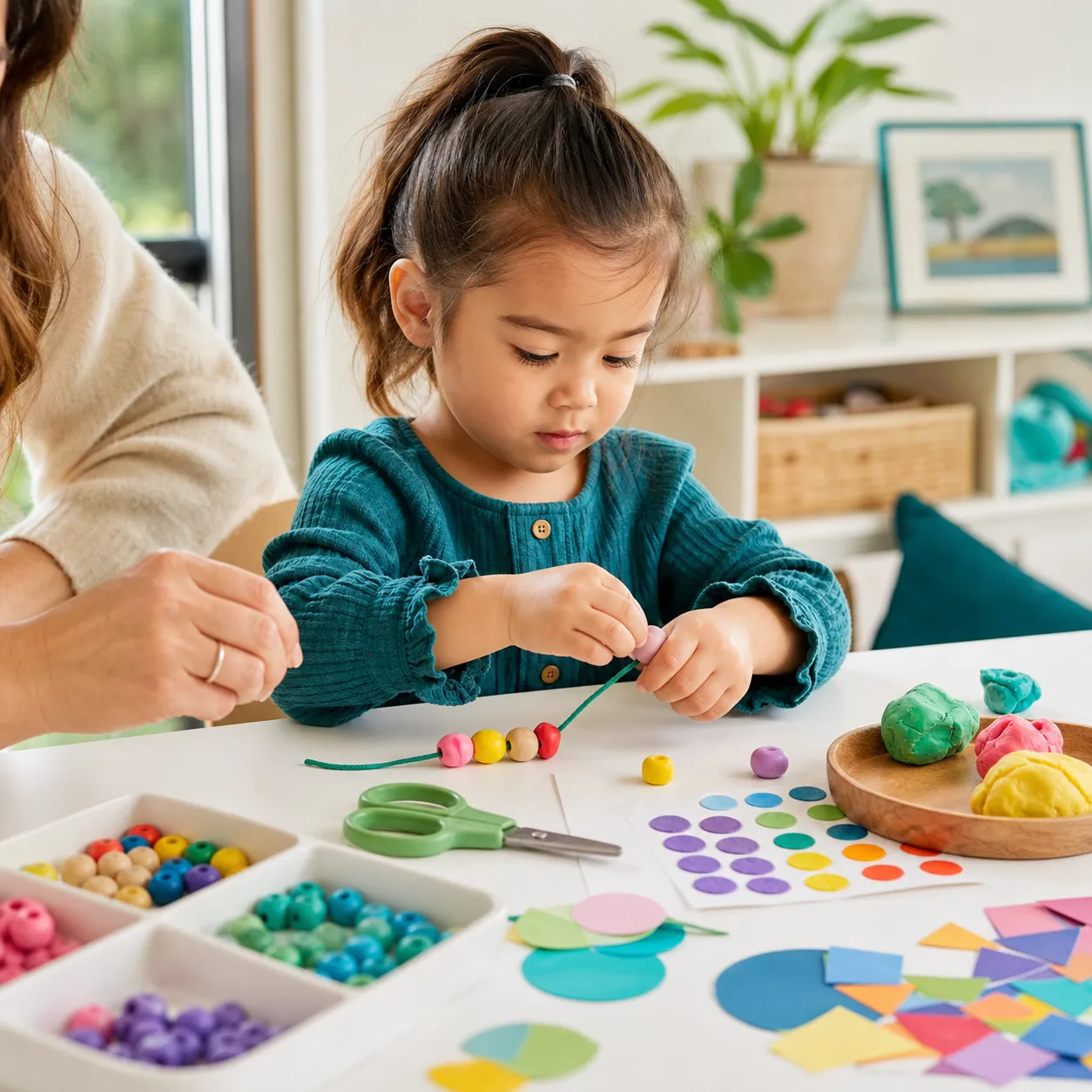
The best fine motor activities for preschoolers are short, repeatable tasks that ask children to pinch, squeeze, snip, stack, lace, peel, press, and draw. Good examples include playdough, stickers, beading, clothespins, tongs, peg boards, tearing and gluing paper, and simple art setups that keep the focus on play instead of pressure.
That matters because fine motor skills support much more than handwriting. Preschoolers use them for dressing, using utensils, opening containers, holding crayons, turning pages, and managing art materials. The CDC’s developmental milestones for age 4 include skills such as drawing a person with several body parts and holding a crayon or pencil between fingers and thumb. Those are practical markers many parents notice first at home.
The American Academy of Pediatrics through HealthyChildren also frames preschool hand development around real tools and materials such as scissors, clay, crayons, paint, and paper. That is a useful reminder. Fine motor growth does not happen only through worksheets. It happens through play, daily routines, and repeated hand use across normal life.
If you are also building a broader routine around this age, our guides to preschool art activities, preschool nursery activities, and indoor activities for kids can help you connect hand skills with a fuller home rhythm.
What Fine Motor Activities For Preschoolers Are Really Building
Parents usually get better results when they understand the skill under the activity.
Not every preschool fine motor activity works on the same thing. Some build grip strength. Others build finger isolation, bilateral coordination, or hand-eye control. That is why one child may happily use stickers but avoid cutting, while another can squeeze dough all day but still resist drawing.
In practical terms, many strong fine motor activities for preschoolers are helping with one or more of these building blocks:
- hand strength for grasping and pressing
- pincer grasp for picking up and placing small items
- bilateral coordination for one hand helping the other
- hand-eye coordination for lining up, threading, and placing
- control and endurance for drawing and pre-writing
The NAEYC’s parent guidance on fine motor skills points to everyday actions such as drawing, painting, using tweezers, threading beads, and placing pegs in a board because those simple actions strengthen the small muscles children rely on later for writing, dressing, and more precise work.
Start With The Easiest Fine Motor Activities First
Simple activities that feel playful are usually the ones families will actually repeat.
Many parents assume they need a complicated setup to help a child build hand skills. Usually, the opposite is true. The best fine motor activities for preschoolers are often the easiest ones to repeat because they are quick, low-pressure, and familiar.
These are some of the most reliable starting points:
- Playdough: roll snakes, pinch pieces, hide beads, press cookie cutters, or poke with straws.
- Stickers: peel and place on paper, lines, letters, or simple pictures.
- Beads and lacing: string large beads, cereal loops, or soft lacing shapes.
- Clothespins and tongs: move pom-poms, paper scraps, or blocks from one bowl to another.
- Peg boards: place and remove pegs to build accuracy and endurance.
- Tearing and gluing: tear paper into pieces and make collages before expecting scissor control.
These fine motor activities for preschoolers work well because they give children a clear action and a quick feeling of success. That matters more than novelty. Most families do not need twenty fresh ideas every week. They need a small set of dependable activities that can come out again and again.
Use Art To Build Hand Control Without Pushing Writing Too Early
Pre-writing readiness usually grows better through playful art than through too many paper tasks.
When parents worry about writing, it is easy to reach for tracing sheets. But preschoolers often need stronger foundations first. Art tasks let children practice grip, placement, bilateral hand use, and controlled movement in a way that feels much less pressured.
Some especially useful fine motor activities for preschoolers in this category include:
- Vertical drawing: tape paper to a wall or easel so children draw while standing.
- Dot stickers on lines and shapes: good for pincer grasp and visual attention.
- Short crayons: naturally encourage a more efficient grasp than oversized fist-holding.
- Child-safe scissors: start with snipping straws or fringe before asking children to cut on a line.
- Painting with small tools: cotton swabs, short brushes, and sponge clips all add grip variety.
If your child already enjoys creative table time, our article on preschool art activities parents can actually use goes deeper on how open-ended art supports both attention and fine motor growth.
Everyday Routines Can Be Fine Motor Practice Too
Some of the best hand-strength work happens in ordinary life, not just in activity bins.
Fine motor activities for preschoolers do not need to stay in the craft corner. Many useful opportunities show up in daily routines. Opening snack containers, helping zip a jacket, watering plants with a spray bottle, stirring batter, using tongs in the kitchen, sorting coins, turning puzzle pieces, or peeling fruit all ask the hands to do real work.
That is often why routine-based practice carries over so well. The child understands the purpose of the movement. They are not just doing an exercise because an adult suggested it. They are using their hands to accomplish something meaningful.
If your preschooler has a short attention span, this approach can be especially useful. A quick kitchen job, helping with laundry clips, or setting the table may hold attention better than a formal sit-down activity. Families with younger siblings may also find overlap with our guide to toddler activities at home, which includes simple hands-on routines that can grow with a child.
Why These Activities Matter For Pre-Writing Readiness
Writing readiness is built through many smaller skills, not only through pencil practice.
Fine motor activities for preschoolers can help children get ready for writing because they strengthen the same foundations that early writing depends on. Children need hand strength, posture, visual attention, bilateral hand use, and increasing control over small movements. When those pieces are weak, tracing or copying often becomes frustrating fast.
That does not mean every child should progress on the same timeline. The CDC encourages families to track milestones and act early if concerns come up. If your child avoids not only drawing but also self-care tasks such as using utensils, managing simple clothing fasteners, or participating in hands-on play, it is worth discussing those patterns with your pediatrician rather than just adding more worksheets.
For many children, better pre-writing readiness comes from spending more time on squeezing, pinching, tearing, placing, and painting before expecting clean letter forms. That is one reason process-based play is often more useful than pushing paper tasks too soon.
Music Can Be A Helpful Fine Motor Bridge
Music does not replace other play, but it can make hand use more motivating for some children.
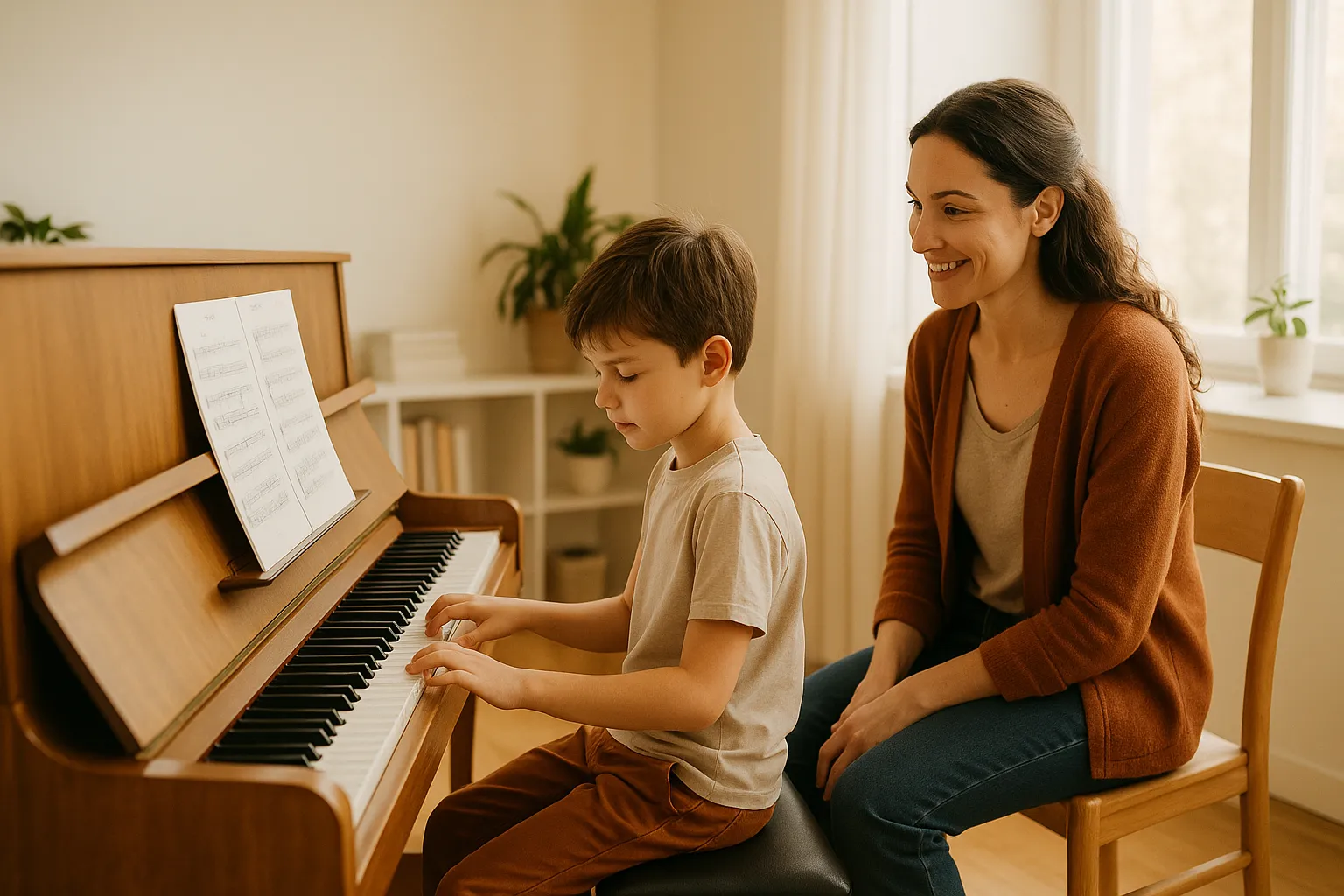
Music can support many of the same foundations that fine motor activities for preschoolers are trying to build. Clapping games, finger plays, rhythm sticks, small percussion, keyboard exploration, and beginner bowing or plucking patterns all involve timing, bilateral coordination, finger awareness, and repetition.
For some children, music is simply the more motivating entry point. A child who resists crayons may happily copy hand motions to songs, tap steady beats, or explore piano keys over and over. The value is not that music magically replaces every other activity. The value is that it gives children another reason to use their hands with focus and repetition.
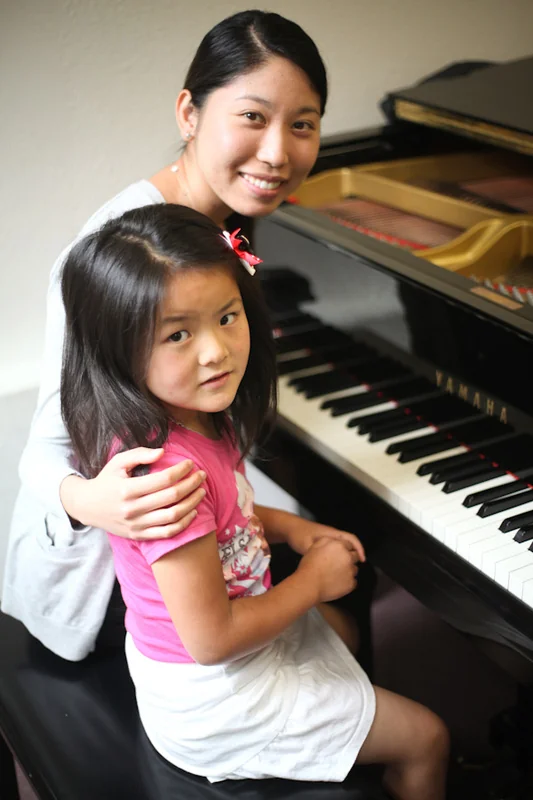
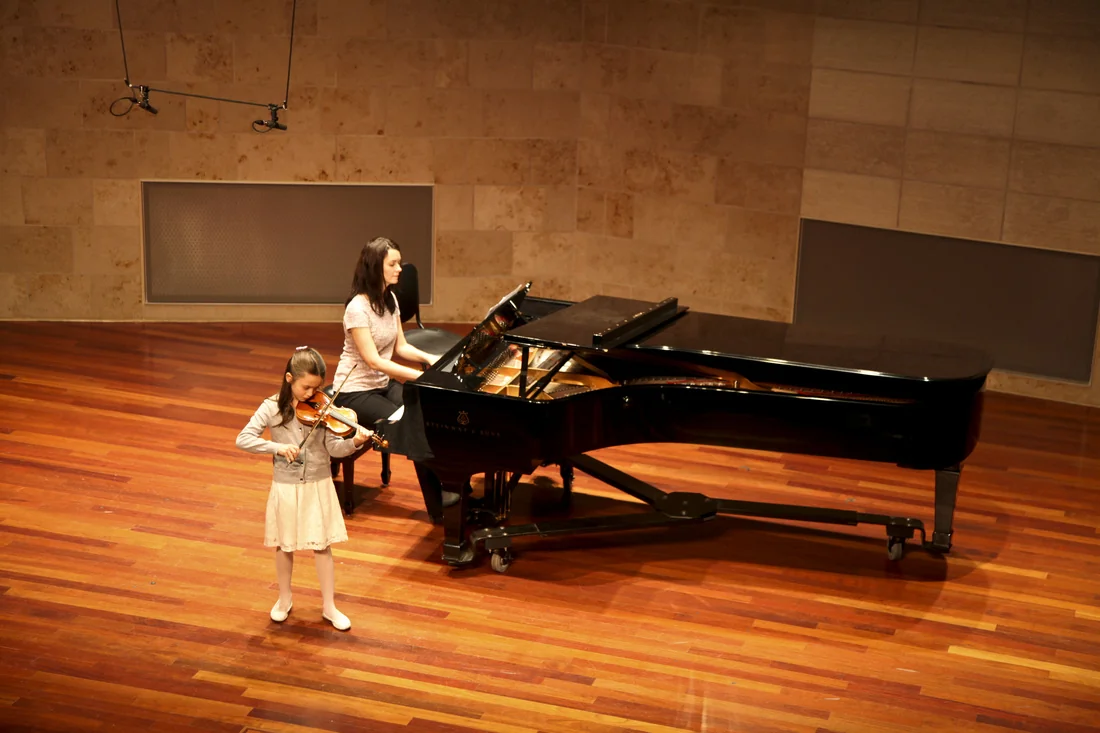
That connection matters at Amabile. The school’s Little Mozart class gives age-4 beginners a structured entry point with keyboard basics, musical games, movement, and a mini-recital. Families who want a warm next step can also explore music programs, both Bay Area locations, and recital opportunities that help children connect effort with visible progress.
A Simple Weekly Fine Motor Plan For Preschoolers
Most families do better with a repeatable rhythm than with a long list of random ideas.
If you want an easy place to start, try this simple weekly pattern:
- One squeeze day: playdough, putty, or sponge squeezing.
- One pinch day: stickers, beads, tweezers, or clothespins.
- One snip day: child-safe scissors with fringe, straws, or scrap paper.
- One draw or paint day: vertical paper, dot markers, or short crayons.
- One music day: clapping patterns, rhythm copying, or simple keyboard play.
Each session can be brief. Ten minutes is often enough. What matters most is consistency, low pressure, and matching the task to your child’s current stage. If you want more general ideas around this age and season, our articles on summer activities for kids and rainy day activities for kids can help you keep the routine going in different settings.
Useful Resources And Related Reading
These sources can help parents understand what fine motor progress looks like without overcomplicating it.
The CDC milestone page for age 4 is helpful when you want a broad developmental checkpoint. The AAP’s HealthyChildren article on hand and finger skills gives a useful picture of what preschoolers often practice through tools and materials. The NAEYC guide to building fine motor skills is one of the clearest parent-friendly overviews of practical activities. You can also return to the Fine Motor Skills category or browse the full Amabile blog for more ideas that connect child development with music-rich routines.
When Fine Motor Interest Starts Looking Like Readiness For Music
Amabile School of Music helps Bay Area families turn early hand skills, rhythm interest, and curiosity into steady confidence.
Fine motor activities for preschoolers often reveal something parents notice before they think about formal lessons. A child starts repeating rhythm patterns, wants to tap songs on the table, becomes curious about piano keys, or stays focused longer when movement and sound are involved. Those are often signs that music would feel meaningful, not just new.
Amabile School of Music serves Bay Area families with warm, high-quality teaching, broad instrument options, and recital opportunities that help children build confidence over time. Families can explore tuition and pricing, read common questions on the FAQ page, or request details through the contact page.
If your preschooler already lights up around rhythm, finger games, singing, or keyboard play, a trial lesson can be a simple way to see what happens when that interest gets patient, structured guidance.
Frequently Asked Questions
What are the best fine motor activities for preschoolers?
The best fine motor activities for preschoolers are short, playful tasks that build pinching, squeezing, placing, cutting, and drawing skills. Good examples include playdough, stickers, beading, clothespins, tongs, peg boards, tearing and gluing paper, and simple art activities.
How often should preschoolers do fine motor activities?
Most preschoolers benefit more from short, regular practice than from occasional long sessions. Ten to fifteen minutes most days is often enough when the activities are varied and feel like play.
Do fine motor activities help with handwriting?
Yes. Fine motor activities help build hand strength, coordination, bilateral hand use, and control, which all support pre-writing readiness and early handwriting tasks. They are one part of a larger readiness picture.
What if my child avoids fine motor tasks?
Start with low-pressure activities that match your child’s interests, use larger tools first, keep sessions short, and avoid turning the activity into correction time. If concerns continue across daily tasks and milestones, talk with your pediatrician.
How does music support fine motor development?
Music can support fine motor development through finger isolation, rhythm patterns, bilateral coordination, repetition, and controlled hand movement. Clapping games, percussion, keyboard play, and beginner lessons can all reinforce these foundations.