Fine Motor Skills
Fine motor skills shape how children hold crayons, manage buttons, use utensils, and get ready for writing. The CDC encourages families to track developmental milestones from birth through age 5, and everyday hand use is one of the clearest signals to watch. In this category, we share simple ways to build grip strength, coordination, and finger control, along with music-rich ideas that support early keyboard confidence and focused listening.
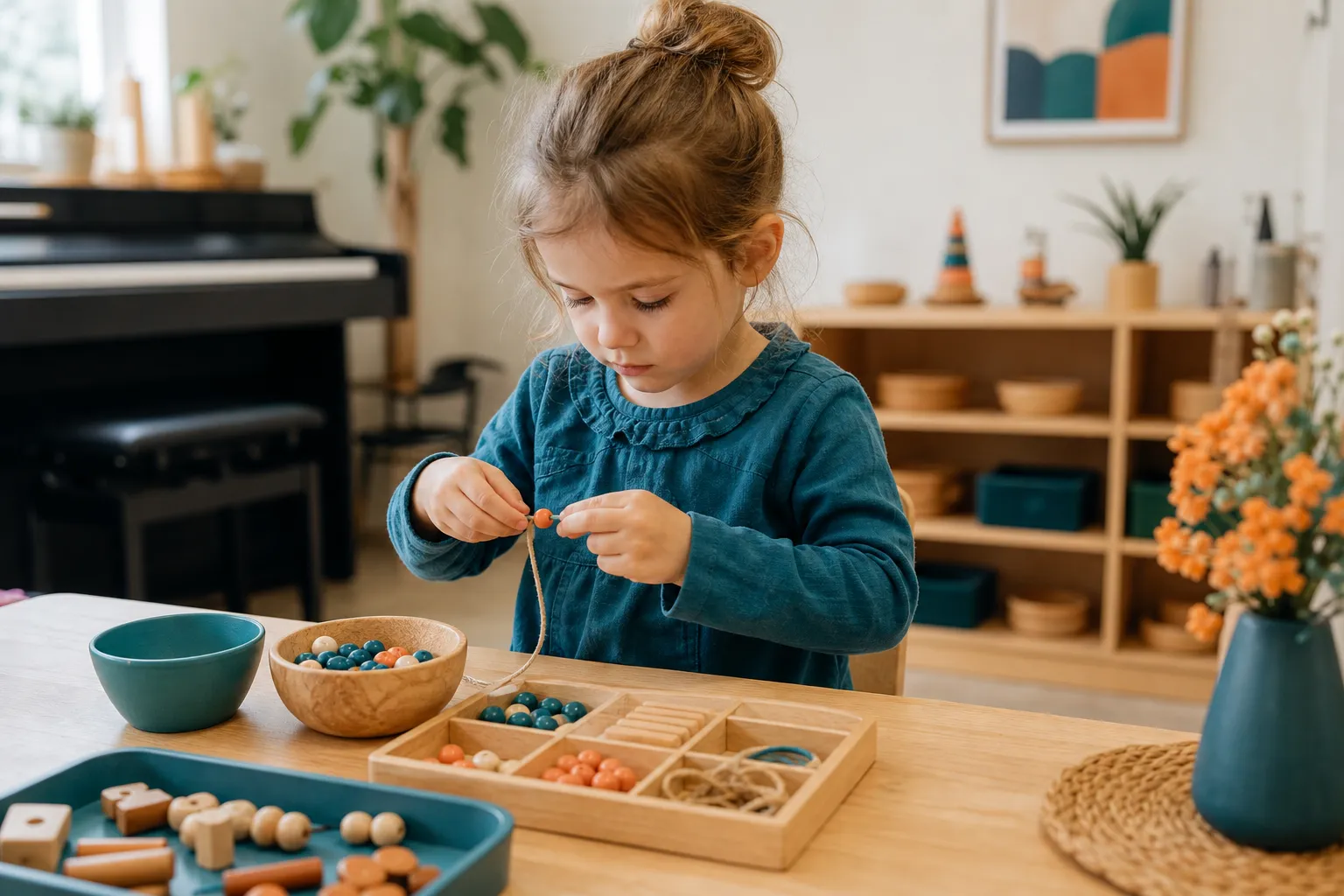
Guidance For Hand Strength Coordination And Early Readiness
Expect short, parent-friendly articles organized around pincer grasp, finger isolation, bilateral coordination, and low-prep activities by age or setting. We also connect these skills to early music study, where controlled finger movement, listening, and repetition can help young beginners feel more capable at the keyboard and beyond.
Fine Motor Activities Parents Can Start Today
A practical guide to easy fine motor activities that build hand strength, coordination, pre-writing readiness, and early music confidence.
Read ArticleFine Motor Activities for Preschoolers That Help
A practical guide to fine motor activities for preschoolers, with easy ideas that build hand strength, coordination, pre-writing readiness, and early music confidence.
Read ArticleFine Motor Activities for Toddlers That Really Help
A practical guide to fine motor activities for toddlers with simple ideas that build hand strength, coordination, early tool use, and confidence through play.
Read Article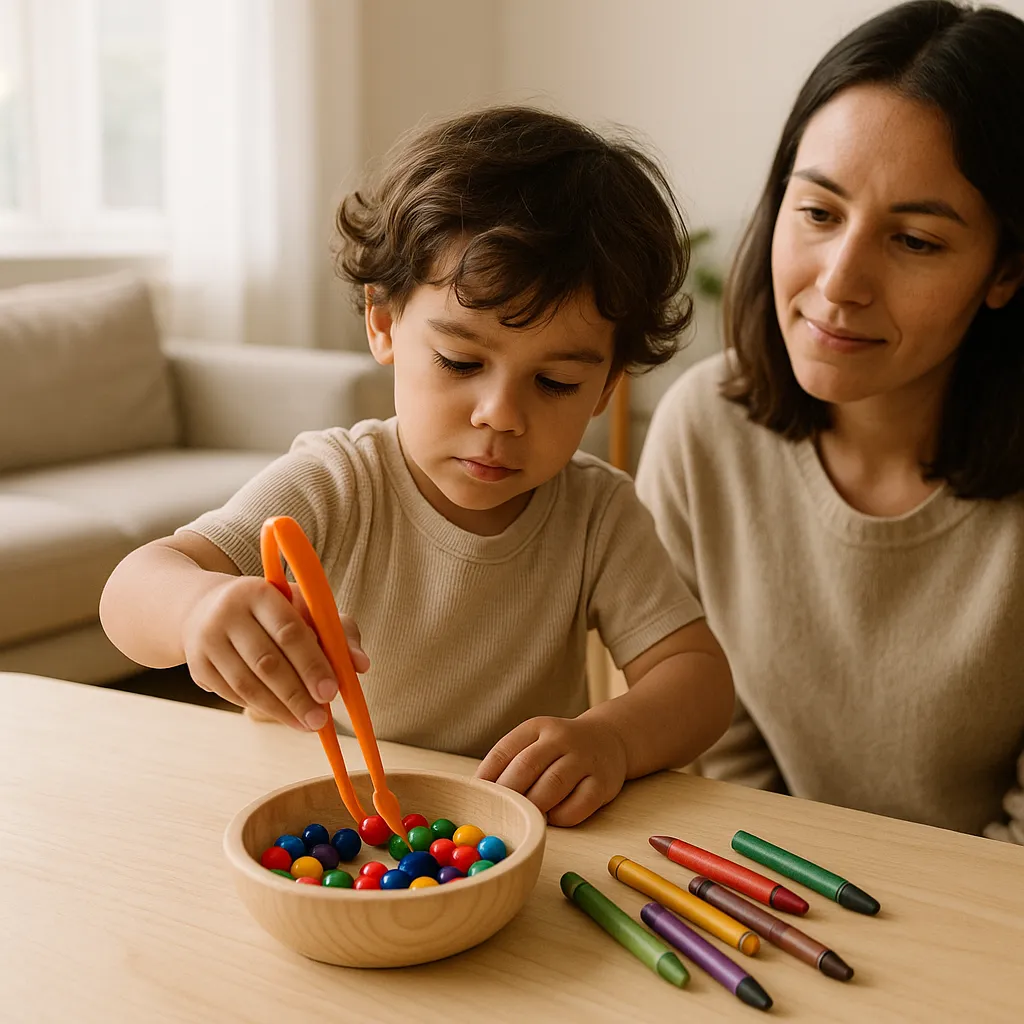
Fine Motor Skills Activity Ideas That Really Help
A practical guide to fine motor skills activity ideas with simple ways to build hand strength, coordination, pre-writing readiness, and early music confidence at home.
Read ArticleBy Age
Look for ideas that match toddler and preschool attention spans, beginner grip patterns, and age-appropriate hand use.
By Skill
Find guidance for pincer grasp, hand strength, finger isolation, bilateral coordination, and pre-writing control.
By Setting
Use simple activities for home, classroom support, after-school routines, or calm moments before music practice.