Quick answer
The best sensory activities for toddlers are easy to start, safe to repeat, and flexible enough to match your child’s mood. Good options include dry sensory bins, water pouring, playdough, bubble play, movement games, music play, and picture-book routines that invite touching, listening, pointing, and imitation.
Sensory play matters because toddlers learn through their bodies first. They touch, shake, pour, bang, climb, squeeze, listen, and repeat before they can explain much of what they are figuring out. The CDC’s positive parenting guidance for toddlers encourages active play and everyday interaction, while Head Start’s guidance on play explains that play supports language, problem solving, relationships, and body awareness. Sensory activities fit so well at this age because they turn those big developmental jobs into something concrete a toddler can actually do.
That does not mean sensory play has to be messy, expensive, or elaborate. In fact, toddlers usually do better when the setup is simpler. A bowl of water and two cups can be enough. A tray of rice and a wooden spoon can be enough. A favorite song and a few scarves can be enough. The value is not in how impressive the setup looks. The value is in how easily your toddler can begin, repeat an action, and stay engaged long enough to feel capable.
What Makes Sensory Activities Work For Toddlers
The strongest sensory ideas are clear, repeatable, and matched to toddler energy instead of asking for long focus too soon.
A sensory activity usually works best when it has one obvious action at the center. Scoop. Pour. Press. Shake. Pull. Squish. Roll. Tap. Hide. Find. That simple action gives toddlers a place to start without needing a long explanation. Once they understand the action, they can repeat it, vary it, and build confidence through doing.
This is one reason toddlers often return to the same materials over and over. Repetition is not a sign that the activity is too basic. Repetition is the point. Through repeated sensory play, toddlers compare textures, test cause and effect, hear the same sounds again, and build a stronger sense of what their bodies can do.
- choose one simple action instead of several steps
- keep materials safe enough for close supervision and easy redirection
- expect short sessions and allow repeats later in the week
- talk during the activity so your toddler hears words tied to action
- stop before the activity becomes a battle
Start With Movement Before Asking For Table Play
Many toddlers settle into sensory bins, books, and simple music games more easily after they have moved first.
Parents often set up a great sensory activity and then wonder why their toddler seems restless or uninterested. Sometimes the activity is fine. The real issue is that the child needs movement first. HealthyChildren notes that some children do better with table activities after they have had a chance to move, and that observation is useful far beyond formal sensory needs. A toddler who has marched, climbed cushions, danced, pushed a basket, or carried toys across the room often has a much easier time settling into a calmer sensory task afterward.
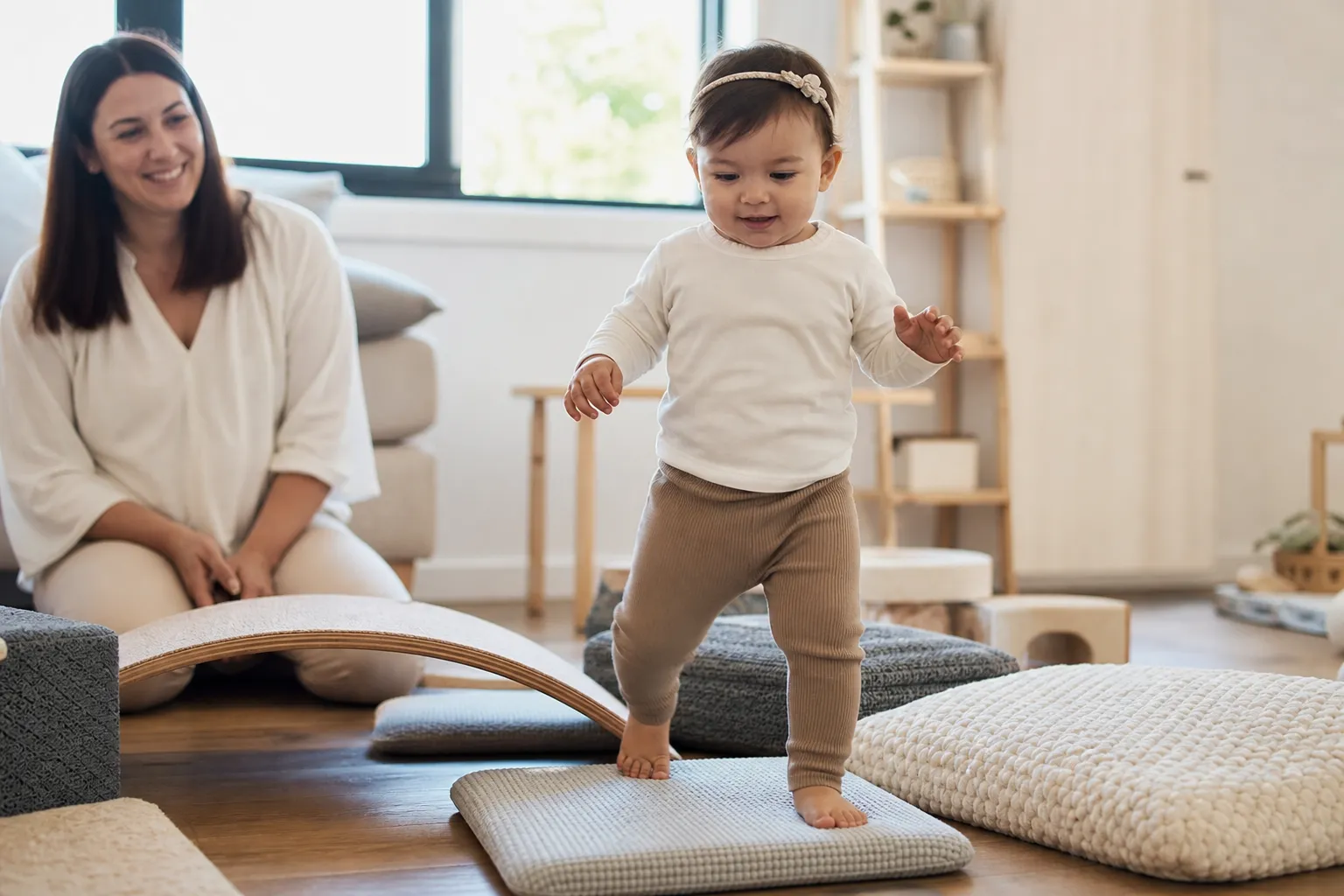
This matters because movement is sensory play too. Walking on couch cushions, pulling a wagon, spinning with a scarf, jumping onto a pillow pile, or marching to a drumbeat all give toddlers information about balance, force, speed, and body position. Those experiences help organize the nervous system before you ask for finer attention.
A practical rhythm for home often looks like this: movement first, then a hands-on sensory setup, then a slower activity such as books or songs. That order works better for many families than beginning with the quietest activity and hoping the toddler will be ready for it immediately.
Low-Mess Sensory Activities For Toddlers
You do not need to love mess to use sensory play well at home.
A lot of parents like the idea of sensory play more than the cleanup. That is completely reasonable. Head Start’s guidance on designing messy play for infants and toddlers is helpful because it reminds adults to start simple and match materials to the child. You do not need to jump straight to shaving cream or dyed pasta. Lower-mess sensory activities can still give toddlers plenty to explore.
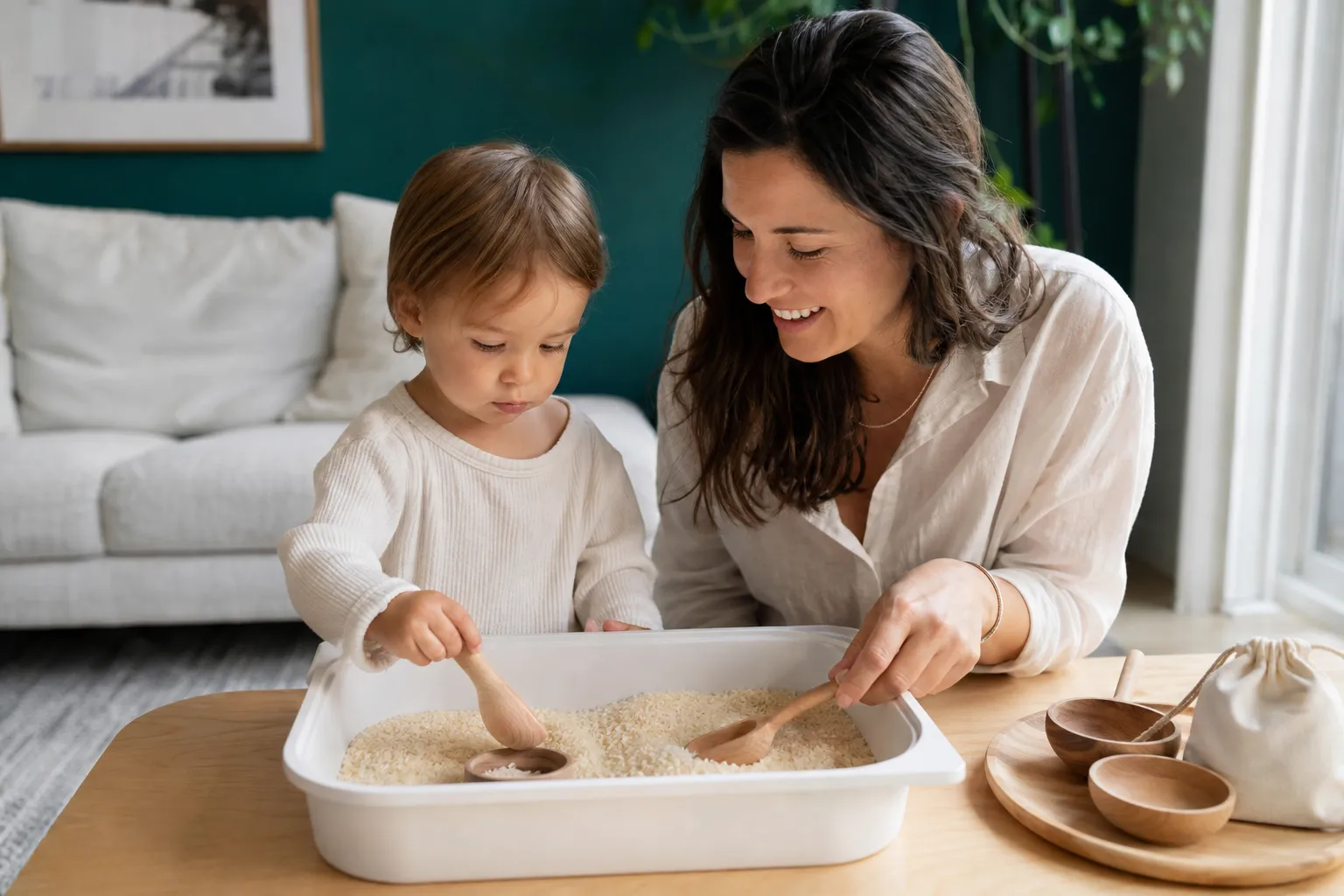
- Dry sensory bins: rice, oats, large pom-poms, or fabric scraps with scoops and bowls.
- Sticker play: peel and place stickers on paper, a tray, or contact paper.
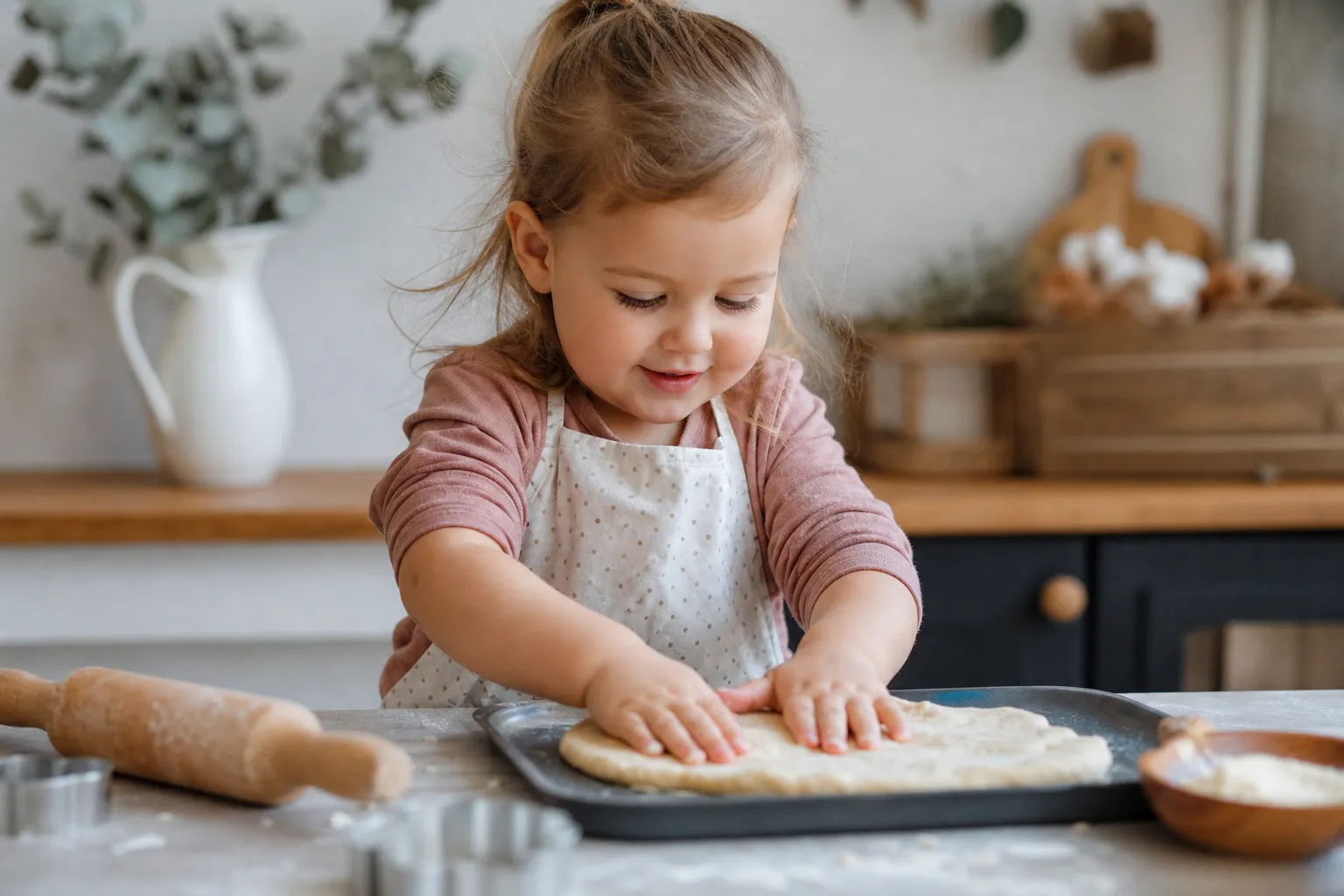
- Playdough on a tray: press, roll, poke, hide large safe objects, or use cookie cutters.
- Scarves and fabric play: hide objects, wave to music, or pull scarves from a box.
- Bubble play: watch, pop, chase, and name what the bubbles do.
- Texture walks: step across towels, bath mats, cardboard, and cushions indoors.
These work well because they give toddlers rich sensory information without turning the whole kitchen into a cleanup project. If your child tends to reject sticky or wet textures, low-mess options are often the best place to start.
If you want another easy at-home activity mix for this age, our guide to toddler activities at home pairs well with sensory play and can help you build a fuller daily routine.
Water Play Is One Of The Best Sensory Activities For Toddlers
Water gives toddlers a lot of sensory payoff with a very simple setup.
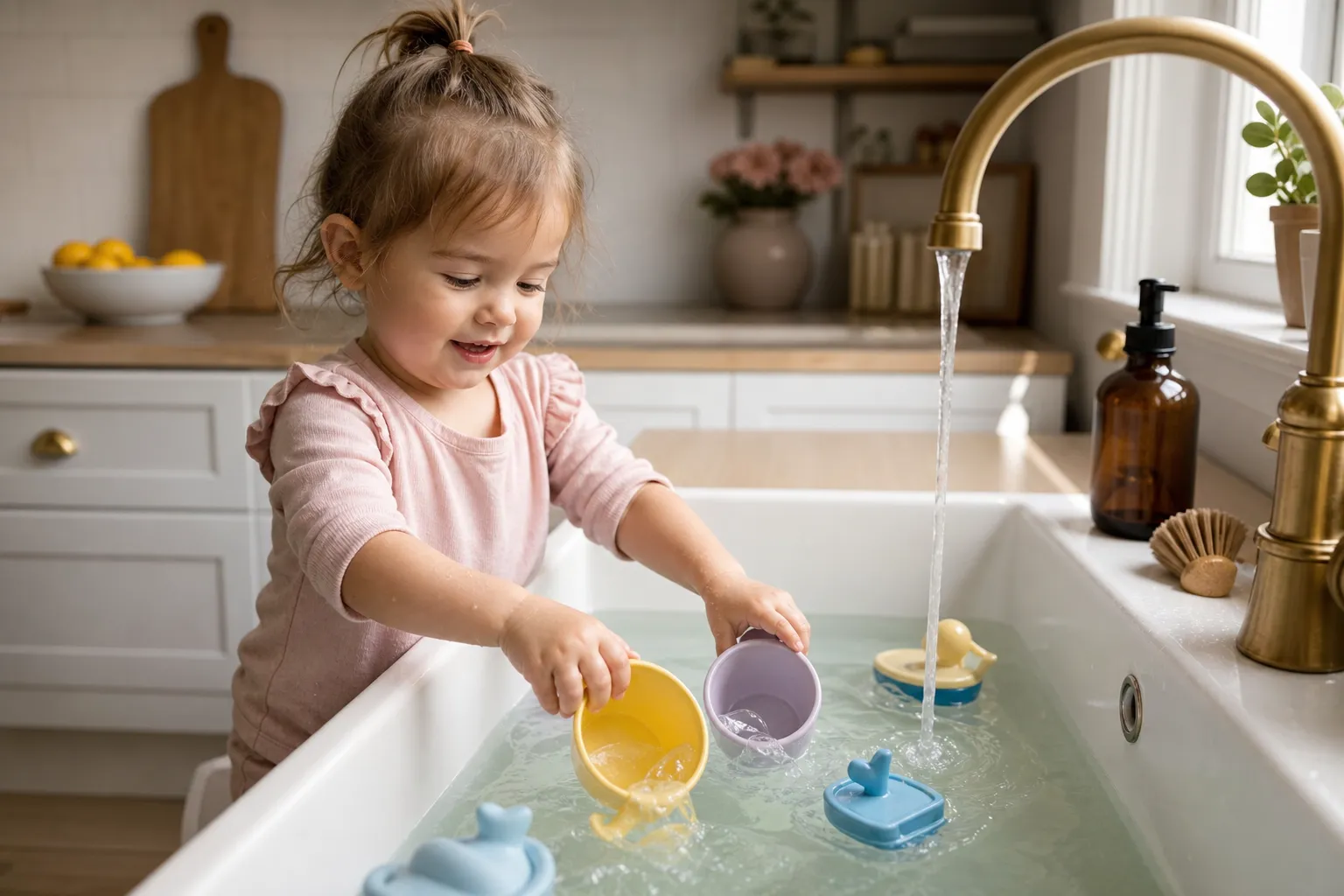
If you want one sensory activity that works for a wide range of toddlers, water play is hard to beat. Pouring, scooping, squeezing sponges, floating toys, washing plastic animals, or filling and emptying cups gives toddlers exactly the kind of repetition they like. They can feel temperature, weight, splash, resistance, and cause and effect all at once.
It also creates natural language. Full, empty, drip, splash, sink, float, wet, more, again. When an adult narrates those words while the child acts, the activity becomes richer without feeling more demanding.
The easiest home version is often the sink. A stool, a small tub, two cups, and a towel underneath is enough for many toddlers. If you want more structure, add a few plastic animals to wash, boats to float, or a turkey baster to squeeze. The simpler the tools, the more independently toddlers can explore them.
For days when you need options beyond sensory bins and water, our article on indoor activities for kids can help with broader low-prep ideas that still support attention and learning.
Use Sound And Music As Sensory Play
Many toddlers respond especially well to sound-rich activities because they combine listening, movement, rhythm, and connection.
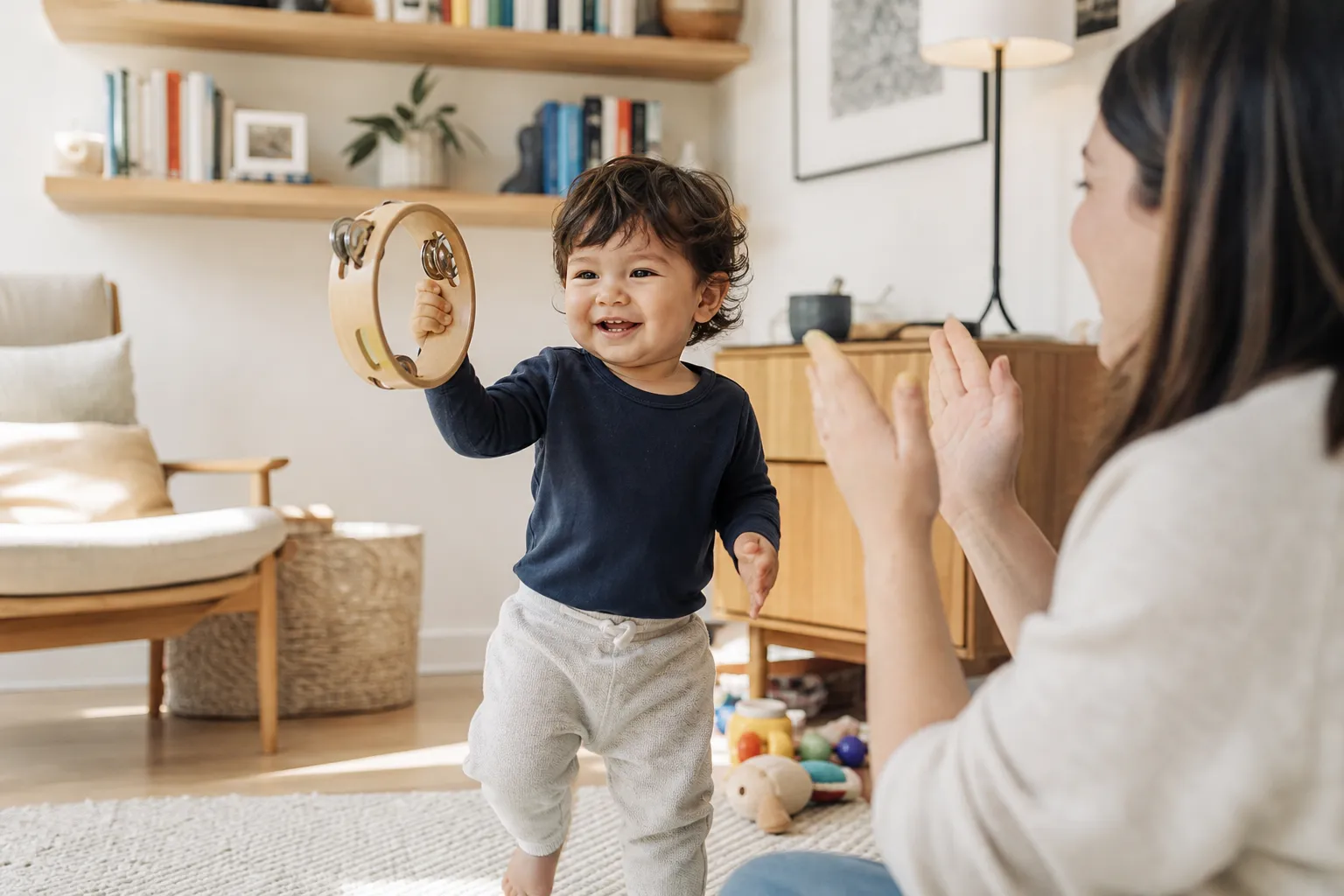
Music is one of the most useful sensory tools for toddlers because it can energize, organize, or calm the room without much setup. A toddler can feel beat through clapping, hear contrast through loud and soft sounds, notice pattern through repeated songs, and experience movement through marching or swaying. Those are sensory experiences and early musical experiences at the same time.
Simple sound-based activities include shaking eggs or tambourines, tapping wooden spoons on cushions, marching to a beat and freezing when the music stops, hiding a small shaker under a scarf and listening for it, or copying clap patterns. None of these require a formal instrument. They just need rhythm, repetition, and a playful adult nearby.
This is also where sensory play starts to overlap naturally with music readiness. A toddler who keeps returning to sound-making, movement songs, and beat games is practicing listening, imitation, timing, and confidence. Those are useful foundations before more structured early music experiences begin.
For families in the Bay Area, that bridge matters. Amabile’s Little Mozart class is designed for age-4 beginners and uses singing, movement, keyboard basics, and musical games in a way that feels very close to the best parts of toddler sensory play, just with more structure.
Sensory Activities Can Build Language And Calm At The Same Time
Good sensory play is not only about touch or mess. It is also a strong setup for words, turn-taking, and regulation.
The best sensory activities give adults lots of easy words to say. Scoop. Stir. Loud. Soft. Wet. Dry. Fast. Slow. Again. Stop. More. Less. That kind of running language helps toddlers connect what they feel with what they hear. It is one reason sensory play often feels richer than it looks from the outside.
Sensory routines can also help with regulation. A predictable playdough tray after nap, a short bubble routine before dinner, a warm bath pour-and-scoop game before bedtime, or a favorite hello song before a sensory bin all create familiar rhythms. Toddlers often do better when they can anticipate how an activity starts and ends.
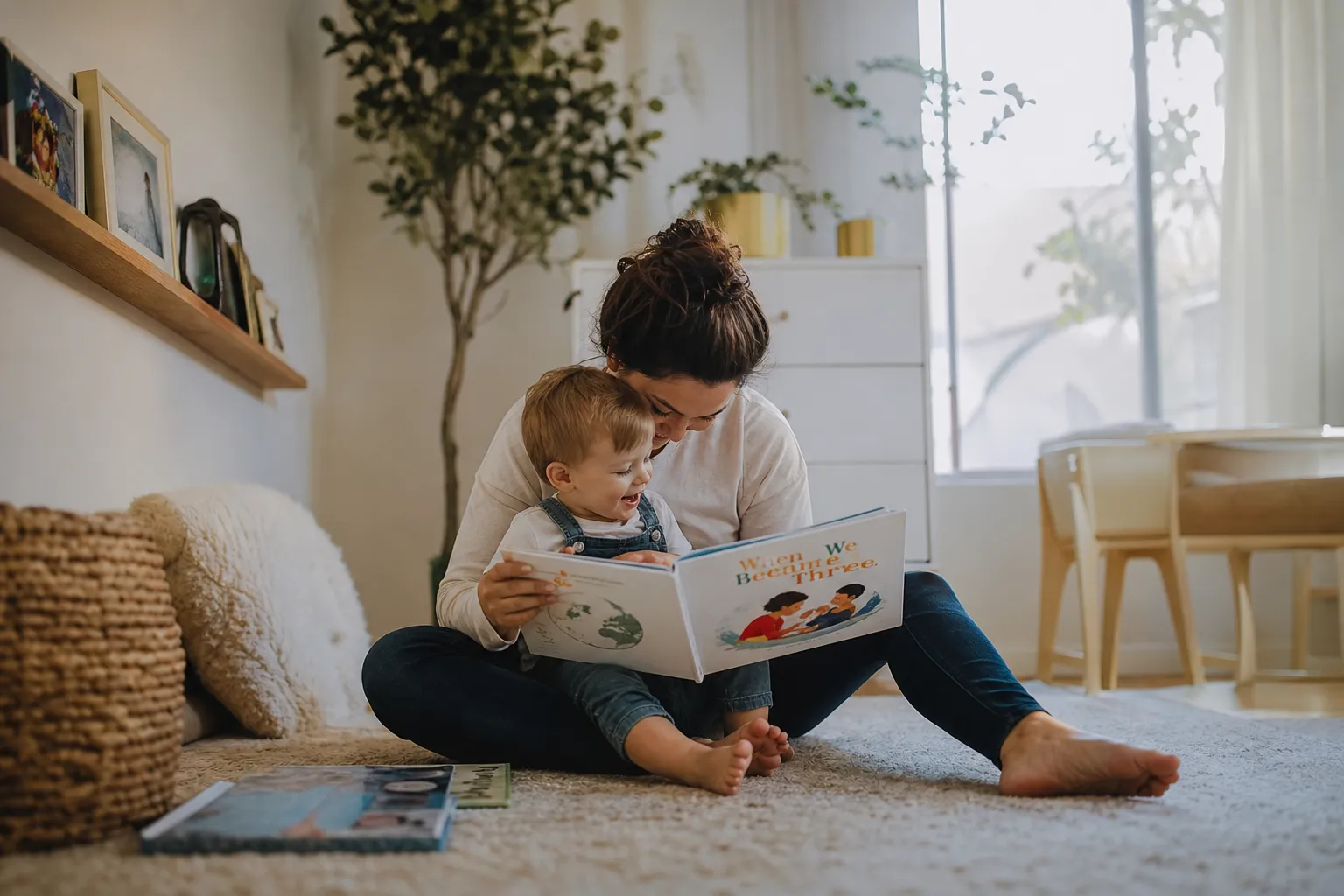
Books can be part of this too. A picture book with touch, sound words, pointing, and repeated phrases can become a sensory activity in its own right. If your toddler enjoys slower routines like this, you may also like our article on preschool nursery activities, which includes more language-rich, music-rich ideas that stay calm and repeatable.
How To Tell If A Sensory Activity Is A Good Fit
A good sensory activity does not need to last forever. It just needs to invite engaged repetition without a lot of stress.
Parents sometimes assume an activity failed if it lasted only eight minutes. For toddlers, that is often plenty. A good sensory activity usually does a few simple things: your child starts without a fight, repeats the action with interest, needs only light guidance, and either returns to it later or transitions out without a meltdown.
It is also okay if your toddler clearly dislikes certain sensations. Not every child loves wet textures, finger paint, or noisy toys. The goal is not forcing every type of sensory input. The goal is finding forms of exploration your child can enjoy and learn from. Some toddlers prefer water to dough. Others prefer sound and movement to tactile bins. That variation is normal.
If you are also trying to support hand strength and coordination through play, our guide to fine motor activities can help you choose sensory ideas that also build more precise hand use.
A Simple Weekly Rhythm For Sensory Activities For Toddlers
Parents usually need a repeatable pattern more than they need an endless list of new ideas.
A simple weekly rhythm might look like this:
- One movement day: tunnel play, cushion path, freeze dance, or marching games.
- One dry sensory day: rice bin, pom-pom scooping, stickers, or scarf play.
- One water day: sink pouring, toy washing, or sponge squeezing.
- One music sensory day: clap patterns, shaker songs, drum copies, or loud-and-soft games.
- One calm sensory day: playdough tray, touch-and-feel books, bubbles, or a familiar song-and-book routine.
That rhythm gives the week variety without making parents invent something new every day. It also helps toddlers because the categories start to feel familiar.
Useful Resources And Related Reading
These sources can help parents ground sensory play in child development instead of internet trends alone.
The CDC’s toddler parenting guidance is a strong place to start for everyday development and active play. Head Start’s article on the importance of play gives a useful developmental frame for why simple play matters so much. If you want ideas on choosing materials thoughtfully, Head Start’s messy play guidance is also practical. You can also browse the full Amabile blog, return to the Sensory Play category, or compare this topic with our guides to toddler activities at home and preschool art activities.
When Sensory Play Starts Looking Like Readiness For Music
Amabile School of Music helps Bay Area families turn early curiosity into confident musical growth with warm teachers and regular opportunities to perform.
Sensory play is often where parents first notice a musical spark. A toddler keeps coming back to shaking a tambourine, responds strongly to beat changes, wants the same song over and over, or lights up when sound and movement come together. Those small patterns can tell you a lot about what holds your child’s attention.
Amabile School of Music serves Bay Area families with warm, high-quality instruction, flexible lesson options, and performance opportunities that help children build confidence over time. Families can explore the school’s two locations, see how recitals and performances support growth, and review tuition information before deciding on next steps.
For younger children, that bridge from playful exploration into more guided learning matters. If your toddler is consistently drawn to rhythm, singing, keyboard sounds, or musical games, a trial lesson or early class can be a simple way to see what happens when that interest gets patient guidance.
Frequently Asked Questions
What are the best sensory activities for toddlers at home?
The best sensory activities for toddlers at home are simple, safe, and easy to repeat. Good examples include dry sensory bins, water pouring, playdough, bubble play, music and movement games, finger painting, and picture-book activities that invite touching, pointing, and sound play.
How long should a sensory activity last for a toddler?
Most sensory activities for toddlers work best in short sessions. Ten to fifteen minutes is often enough, though some toddlers stay longer when the setup matches their mood, energy, and interests.
Are sensory activities good for toddler development?
Yes. Sensory activities can support language, attention, fine motor practice, body awareness, problem solving, and emotional regulation when they are safe, supervised, and matched to the child’s stage.
What if my toddler hates messy sensory play?
Messy play is not required. Many toddlers do well with lower-mess sensory activities such as dry bins, stickers, play scarves, bubble play, textured books, music games, water cups in the sink, or playdough on a tray.
How does sensory play connect to early music learning?
Sensory play connects naturally to early music learning because both involve listening, rhythm, movement, pattern, imitation, and hands-on exploration. A child who enjoys sound-making, beat games, and movement songs may be showing early readiness for a music class or lesson.