Quick answer
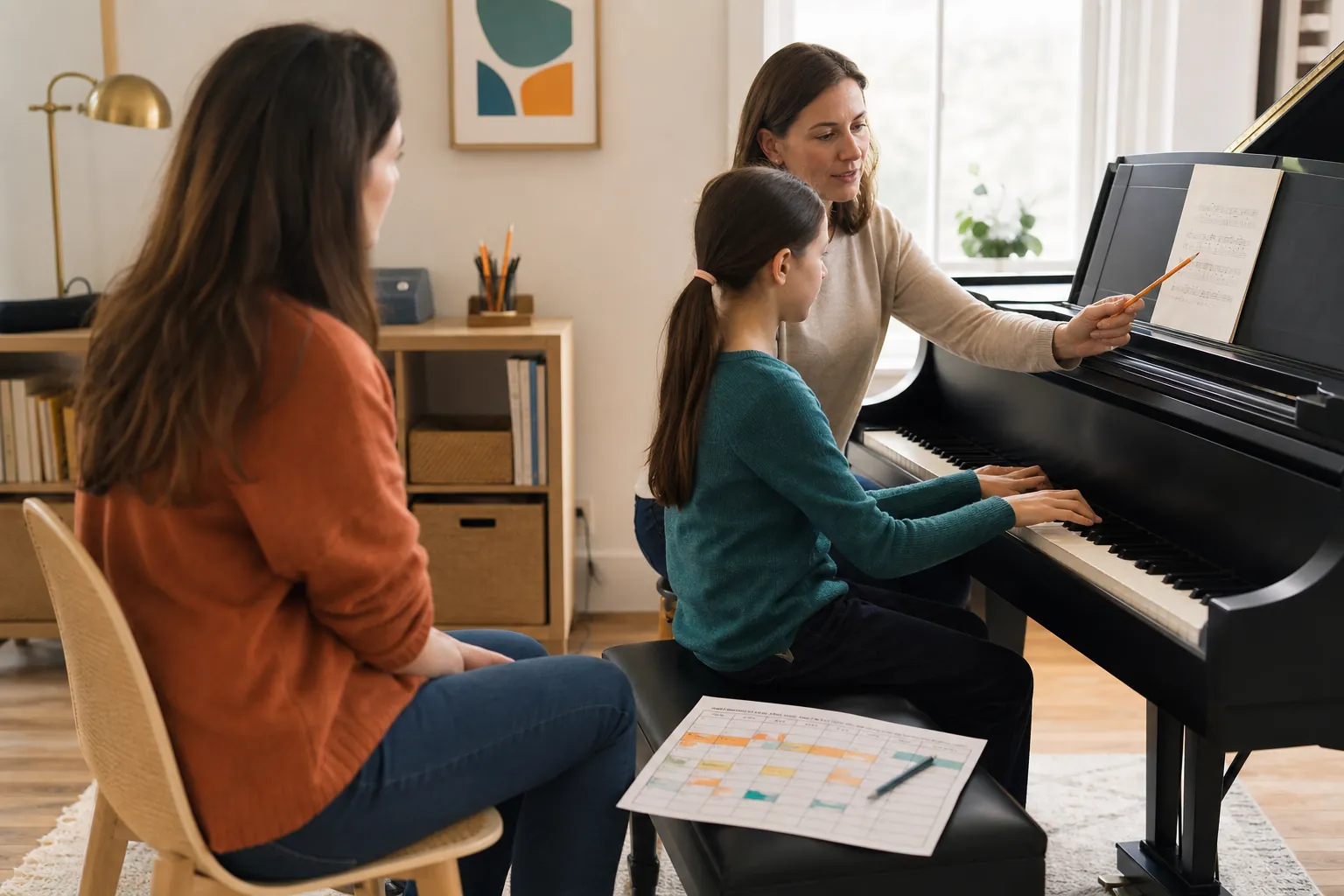
Piano lessons are usually 30, 45, or 60 minutes. A 30-minute lesson is often enough for young beginners and students who are still building focus. A 45-minute lesson gives school-age students, teens, and many adults more room for technique, reading, repertoire, and questions. A 60-minute lesson is best for advanced students, serious teens, adults with bigger goals, or anyone preparing for recitals, auditions, exams, or more demanding music.
The Usual Piano Lesson Lengths
The calendar answer is simple. The learning answer needs a little more judgment.
Most families choosing piano lessons are really deciding between 30, 45, and 60 minutes. That choice looks small on a schedule, but it changes the whole lesson. A shorter lesson has to be focused and clean. A longer lesson gives the teacher more time to hear last week's assignment, fix details, introduce new material, and make sure the student knows what to practice at home.
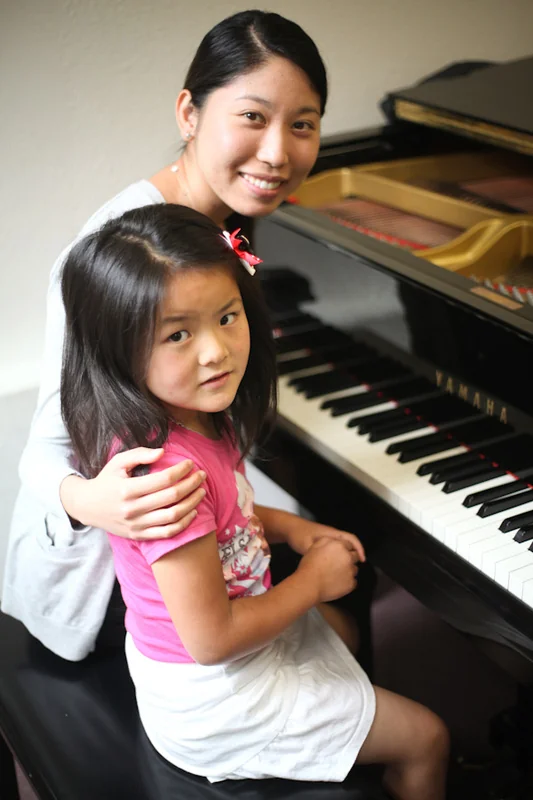
For a five- or six-year-old beginner, 30 minutes can be plenty. The student may need a warm start, a few short activities, a clear assignment, and a positive finish before focus disappears. For an older beginner, 30 minutes can feel rushed once the teacher is trying to cover technique, rhythm, note reading, hand coordination, repertoire, and practice planning.
The Music Teachers National Association recommends asking prospective teachers about experience, age groups taught, curriculum, progress evaluation, and studio policies. Those questions matter because lesson length is not just a price line. It is part of the teacher's plan for how a student will actually grow.
| Lesson length | Often fits | Best use |
|---|---|---|
| 30 minutes | Young beginners and first lessons | Simple assignments, early reading, rhythm, and confidence. |
| 45 minutes | Older children, teens, and steady beginners | More feedback, technique, repertoire, and practice coaching. |
| 60 minutes | Advanced students and goal-driven adults | Deeper musical work, performance preparation, and complex pieces. |
When 30 Minutes Is Enough
Short lessons work when the teaching goal is focused and age-appropriate.
A 30-minute piano lesson is often the right starting point for young beginners. Children who are five or six may be working on sitting posture, finger numbers, simple rhythm, high and low sounds, early note reading, and the habit of listening to a teacher. That is already a lot. Stretching the lesson longer does not automatically create more learning if the child is tired, wiggly, or mentally done.
Thirty minutes also gives parents a lower-pressure way to start. The family can learn how the weekly routine feels, whether the child enjoys the teacher, and what kind of practice support is realistic at home. If the student begins to fly through assignments, asks for more music, or consistently leaves with unused energy, the lesson can grow later.
This is where parents sometimes overthink. A short beginner lesson is not a sign that the school is taking music lightly. It can be a sign that the teacher understands children. Early progress depends on attention, repetition, and confidence. A clean 30 minutes that ends well is better than 45 minutes that ends with everyone negotiating over one more line of music.
When 45 Minutes Is Better
Many students reach a point where 30 minutes feels cramped.
A 45-minute lesson is often the sweet spot for school-age students, older beginners, teens, and many adults. It gives the teacher enough time to hear the student's assignment, fix one or two problems carefully, introduce new material, and talk through how to practice before the next week.
That extra 15 minutes can make a big difference. In a rushed lesson, teachers have to choose what to skip. Technique may get trimmed. Ear training may disappear. The student may leave knowing what page to practice but not how to practice it. A 45-minute lesson gives more room for the teacher to slow down the hard measure, isolate rhythm, check hand shape, and make the assignment clear.
Parents can watch for signs that the student has outgrown 30 minutes. Are lessons ending before the teacher can explain practice? Is the student regularly bringing more music than the lesson can cover? Does the teacher keep saying, "We will get to that next week"? If so, a longer weekly lesson may be more useful than adding a second day.
When 60 Minutes Makes Sense
Longer lessons need enough maturity, focus, and practice to justify the time.
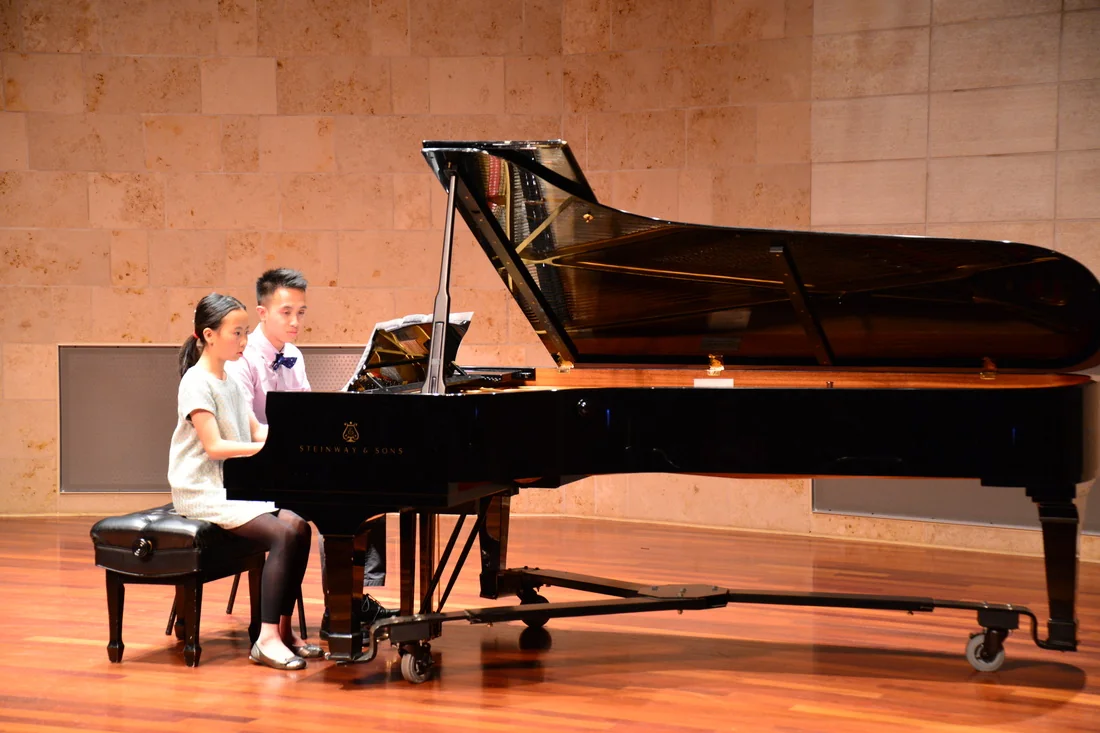
A 60-minute piano lesson is usually best for advanced students, serious teens, adults, or students preparing for specific goals. That could mean a recital, audition, exam, school ensemble part, songwriting goal, or a larger piece that needs careful work. The student needs enough focus and home practice to use the time well.
In a longer lesson, the teacher can work in layers. There is time for technical warmups, reading, repertoire, musical expression, theory, ear training, and performance polish. The lesson can also include deeper listening and problem-solving, which is hard to fit into a short beginner slot.
A 60-minute lesson is not automatically better for every student. If a beginner has not practiced, the extra time may simply expose the same unfinished assignment for longer. If a young child loses focus after 25 minutes, a longer lesson can make piano feel heavy. The point is not to buy the biggest block of time. The point is to choose the amount of time the student can actually use.
Age Matters, But Readiness Matters More
Two children the same age can need very different lesson formats.
Parents often ask for the correct lesson length by age. That is a useful starting point, but it is not the whole decision. A focused six-year-old who loves patterns may handle 30 minutes beautifully. Another child the same age may need a more playful readiness class before private piano lessons feel productive.
For younger children, group music can be a better first step than a traditional private lesson. Yamaha describes beginner music programs for ages three to eight, which reflects a broader truth: early music learning often works best when it includes singing, movement, listening, rhythm, and playful participation, not only sitting at the keyboard. Amabile's Little Mozart class exists for that kind of early start.
Once a child is ready for private lessons, age still shapes the choice. Younger beginners often start with 30 minutes. Students around seven and older may be ready for 45 minutes. Teens and adults may benefit from 45 or 60 minutes, especially when they can practice independently and bring questions back to the teacher.
Choose the lesson length by asking
Can the student focus?
A longer lesson only helps if the student can stay engaged.
Is the lesson feeling rushed?
If important work keeps getting skipped, 45 minutes may help.
Is practice happening?
Longer lessons work best when the student tries assignments at home.
What is the real goal?
Recitals, auditions, and advanced pieces need more lesson time.
Lesson Length Is Not the Same as Progress
The best lesson length still needs a weekly habit behind it.
A longer lesson can create more space for teaching, but it does not replace practice. Piano progress comes from the loop between lessons: the teacher gives clear direction, the student practices, and the next lesson fixes what happened in real life. Without that loop, even an excellent 60-minute lesson can turn into a weekly reminder of what did not happen.
MTNA's practice resources emphasize systems, schedules, and assignment tracking. That practical focus matters because most families do not struggle with knowing that practice is good. They struggle with making it happen after school, dinner, homework, sports, and the small domestic chaos of normal life.
For beginners, short and frequent practice usually beats rare marathon practice. Ten or fifteen focused minutes several days a week can support a 30-minute lesson better than one dramatic Sunday session. For older students, the amount of practice should rise with the length and seriousness of the lesson. If the family is not ready for more practice, a longer lesson may not solve the real problem yet.
How Lesson Length Affects Price
Price should be compared against usefulness, not just minutes.
Longer piano lessons cost more because they reserve more teacher time. That part is obvious. The more useful question is whether the extra time creates better learning for this student right now. A 45-minute lesson can be a better value than 30 minutes when the student needs more feedback. A 30-minute lesson can be a better value when the student is young and cannot use more time well.
Families comparing lesson costs should look at the whole experience: teacher quality, communication, scheduling, recital opportunities, practice support, and whether the student feels known. A cheaper lesson that leaves the student confused is not really cheaper. It just hides the cost in slow progress and frustration.
Amabile's pricing page explains the available lesson lengths so families can compare options clearly. If you are still unsure, use the trial lesson to ask what length the teacher recommends after seeing the student's age, focus, experience, and goals.
How Amabile Helps Families Choose
A real recommendation should fit the student, not just the search result.
Amabile teaches piano students across San Francisco, Moraga, and online. The school works with young beginners, school-age children, teens, and adults, so the right lesson length depends on the student in front of the teacher. Some children need a gentle start. Some are ready for a longer private lesson. Some four-year-olds are better served by a readiness class before formal piano study.
If you are choosing for a child, compare kids piano lessons, Little Mozart, piano lessons, faculty, and locations. Adult beginners can start with the adult piano lessons page.
A trial lesson is the most practical next step because the teacher can see attention span, coordination, listening, confidence, and how the student responds to feedback. That is more useful than choosing 30, 45, or 60 minutes based only on what another family did.
Not sure whether 30, 45, or 60 minutes fits?
Tell Amabile the student's age, experience, attention span, and goals. The right lesson length should build progress without making music feel heavier than it needs to be.
Frequently Asked Questions
Short answers for families comparing piano lesson length.
How long are piano lessons for beginners?
Beginner piano lessons are usually 30 or 45 minutes. Young beginners often start with 30 minutes, while older children, teens, and adults may benefit from 45 minutes because there is more time for technique, reading, repertoire, and questions.
Is a 30-minute piano lesson enough?
Yes, a 30-minute piano lesson can be enough for young beginners when the lesson is focused and the student practices between lessons. It is often the best starting point for children who are still building attention span.
Should my child take 45-minute piano lessons?
A 45-minute lesson is often a good fit when a child can focus longer, practices consistently, and needs more time for technique, reading, rhythm, repertoire, and practice guidance. It can also help when 30-minute lessons feel rushed.
Who should take 60-minute piano lessons?
Sixty-minute lessons usually fit advanced students, serious teens, adults, or students preparing for recitals, auditions, exams, or more complex music. The student should be able to focus and practice enough to use the longer lesson well.
Is lesson length more important than practice?
No. Lesson length helps create enough teaching time, but steady progress depends on practice between lessons. A well-matched weekly lesson plus a realistic home practice habit usually beats a longer lesson with no follow-through.