Young Beginners
A calm, musical start
Children age five and up build rhythm, listening, finger control, and early reading in small steps that make the keyboard feel familiar.
Serving Lafayette Families From Moraga
Private piano lessons at Amabile's nearby Moraga campus give children, teens, and adults a warm, structured place to begin, return, and grow.
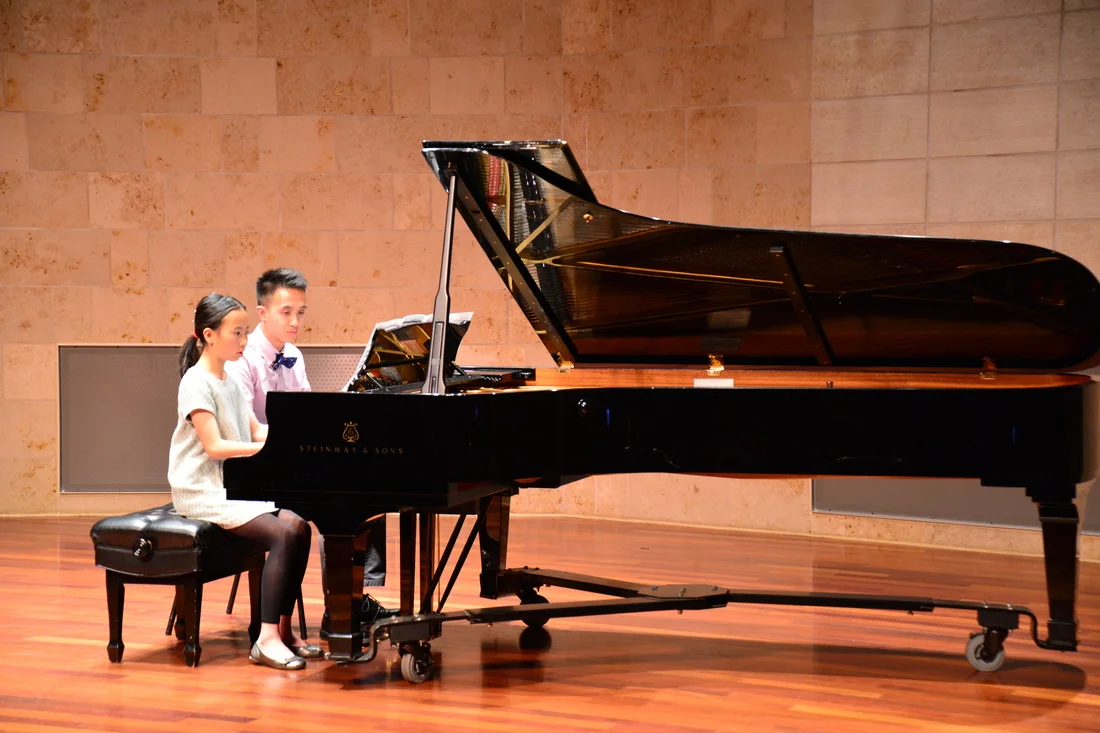
Nearby Campus
Moraga
Piano Start
Age 5+
Faculty
30+ Teachers
Lesson Options
In Person + Online
Lafayette families often want a piano program with enough structure to help a student move forward, but enough warmth that practice does not become a battle at home. The right teacher notices how a student learns, gives clear next steps, and keeps the music connected to something the student can enjoy.
Amabile's Moraga campus is close enough to make a regular lesson part of the routine. Students receive one-on-one attention, with a plan shaped around their age, experience, musical interests, and the skills that will help them become more independent at the keyboard.
A trial lesson is a low-pressure way to meet a teacher, see how the setting feels, and talk through lesson length before committing to a weekly schedule.
Young Beginners
Children age five and up build rhythm, listening, finger control, and early reading in small steps that make the keyboard feel familiar.
School-Age Students
Lessons can support school music, theory, technique, repertoire, and the confidence to keep working when a piece becomes more challenging.
Teens
A teacher can balance strong foundations with music, goals, and performance opportunities that give an advancing student something personal to work toward.
Adults
Beginning later or returning after years away is welcome. Lessons provide a realistic plan that respects a busy week and builds momentum.
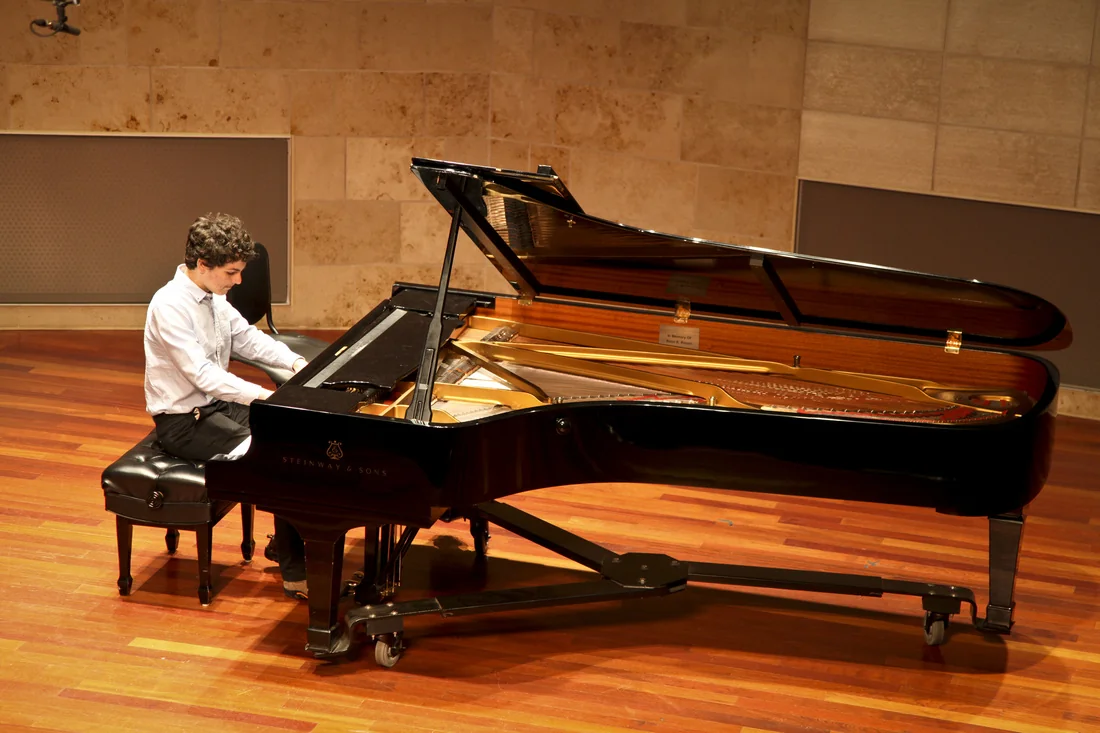
Piano gives students an immediate relationship with melody, rhythm, and harmony. Lessons make that relationship more confident by turning each new skill into music they can hear and recognise.
Reading, rhythm, and steady technique
Students learn how to follow music, keep a pulse, coordinate both hands, and use the keyboard with increasing ease.
Listening and musical expression
Playing the right notes is only the beginning. A teacher helps students listen for shape, balance, sound, and the details that make a piece feel alive.
Practice that has a purpose
A clear weekly assignment gives families a useful answer to what to do between lessons, so even a short practice session can feel productive.
A Thoughtful First Year
For a new piano student, the early wins matter. They may be learning how the keys are organized, how to keep a steady beat, how to find a hand position that feels relaxed, and how to follow a simple musical pattern. When those small skills connect, a student begins to trust that they can work something out rather than waiting for someone to tell them every note.
That is why lessons move at a pace a student can absorb. A child who needs more repetition is not rushed past an important foundation. A student who learns quickly is not held back by a fixed script. The teacher can make room for curiosity, questions, favorite songs, and the healthy challenge that keeps progress interesting.
Parents do not need to become piano teachers at home. A useful role is simply helping protect a regular time, noticing effort, and letting the student bring questions back to their next lesson. The teacher supplies the sequence and feedback that make home practice clearer.
As students gain confidence, the work can become more personal. One may want to make a school audition feel less intimidating. Another may be eager to play a favorite film theme, accompany a singer, learn a classical piece, or simply have music waiting for them at the end of a long day. Good lessons can hold those individual reasons alongside the skills that make each new piece more accessible.
Before the lesson: the student arrives with whatever happened during the week, including questions, a tricky measure, or a new song they are excited to share.
During the lesson: the teacher listens, demonstrates, and gives focused feedback so the student understands what to try, not merely what went wrong.
After the lesson: a clear assignment turns the next practice session into a manageable starting point rather than an open-ended chore.
Over time: students develop stronger musical judgment, more independence, and a body of music that shows how far they have come.
Progress rarely comes from a perfect practice schedule. It comes from knowing what matters next and returning to it often enough for the music to settle in. A teacher can help a young beginner build a short, predictable routine, guide a teen through a demanding school-music season, or help an adult protect a little creative time each week.
When a student has a performance goal, that rhythm becomes even more meaningful. Amabile offers recital opportunities for students who want a milestone, without making performance a requirement. Some students are happy playing at home. Others enjoy preparing a piece to share. Both paths have room here.
Families can also see published tuition and lesson options before booking. The goal of a first conversation is not to pressure anyone into a decision. It is to give you enough information to choose a teacher and weekly format with confidence.
A piano lesson is more than a weekly appointment. It can become a place where a child learns to listen closely, keep going through a hard passage, and feel proud of a skill that is their own.
That confidence travels beyond music, into the patience to try again, the focus to stay with a goal, and the pleasure of making something that did not exist before. It gives progress a durable place in a student's own life.
Patient Progress
Teachers meet students where they are and make the next step clear enough to attempt.
Meaningful Milestones
Recital opportunities can give students a reason to polish a piece and recognise their growth.
Frequently Asked Questions
Book a trial lesson and tell us about the student's age, experience, musical interests, and schedule. We will help you find a sensible next step.
Book A Trial LessonLafayette students can take in-person piano lessons at Amabile's Moraga campus at 1001 Country Club Drive, Suites D and A. Online lessons are also available when that better suits a family's routine.
Private piano lessons begin at age five. Four-year-old beginners can explore rhythm, singing, movement, and keyboard readiness through Amabile's Little Mozart program.
Yes. Adult beginners and returning players are both welcome. A teacher can start with the basics, refresh past skills, or build a plan around the music and goals that matter to you.
A trial lesson is a useful place to talk through age, experience, goals, schedule, and teacher fit. Amabile can then help recommend a lesson length that gives the student enough time to make steady progress.