Young beginners
A confident first experience
Private lessons begin at age five. The early focus is listening, rhythm, coordination, and a relationship with music that feels encouraging rather than rushed.
For Walnut Creek Families
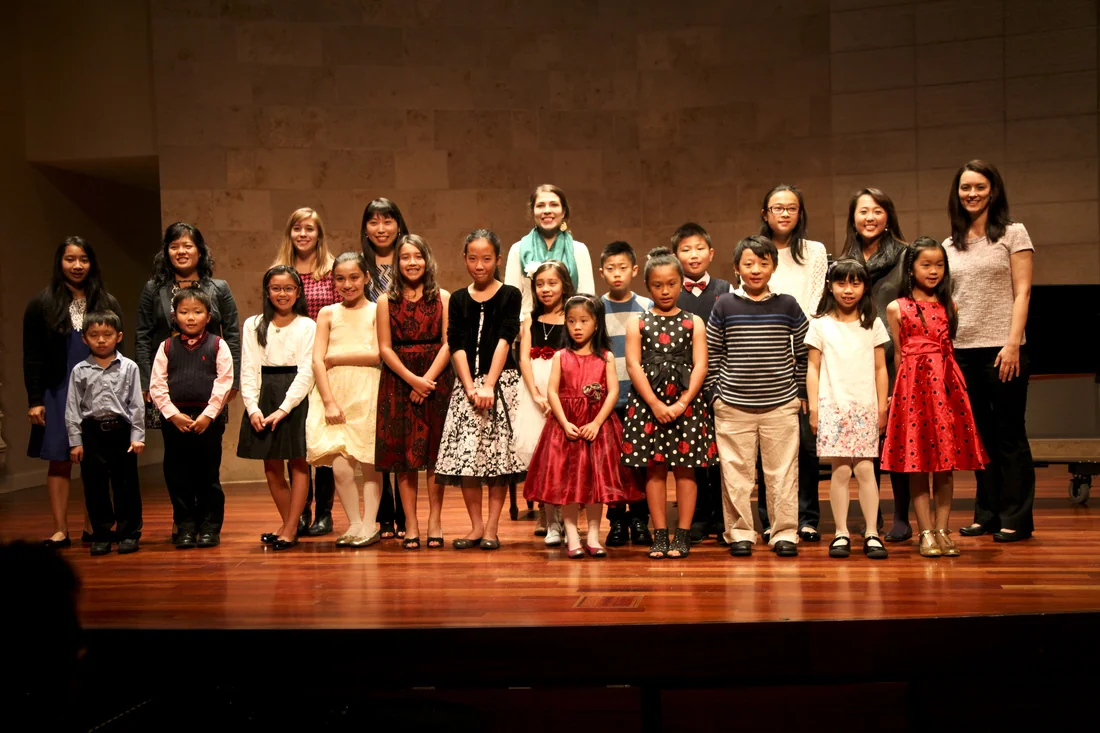
At Amabile’s Moraga campus, children, teens, and adults receive private music lessons with the individual attention, clear direction, and warmth that help music become a lasting part of life.
Nearby Campus
Moraga
Private Lessons
Age 5+
Teaching
One Student At A Time
Formats
In Person + Online
Families looking for music lessons near Walnut Creek are often weighing several practical questions at once. Which instrument will hold a child’s interest? Is private teaching the right fit? Will lessons feel manageable around school, work, sports, and family life? Those questions deserve more than a generic answer.
At Amabile, a private lesson starts with the actual student. A young beginner may need a calm introduction to rhythm and sound. A school-age student may need more confidence reading music or a practice routine that does not become a nightly battle. A teen may be preparing for an ensemble, an audition, or simply looking for a creative outlet. An adult may be returning after years away from an instrument.
The teacher’s job is to make the next step clear, musical, and worth returning to. That individual attention helps a student develop skill without losing the sense of enjoyment that makes steady progress possible.
Young beginners
Private lessons begin at age five. The early focus is listening, rhythm, coordination, and a relationship with music that feels encouraging rather than rushed.
School-age musicians
Lessons connect reading, technique, repertoire, and a manageable practice plan so a student knows what to do between one week and the next.
Teens
Whether the goal is a school performance, stronger fundamentals, an audition, or favorite music, lessons can adapt as interests and schedules evolve.
Adults
Adult beginners and returning players get patient, individual guidance that makes space for a full life while keeping musical progress visible.
The first decision does not have to be perfect. It needs to give the student a starting point they can connect with, plus teaching that makes early progress feel real.
Piano, voice, strings, guitar, and more
Students can study piano, voice, violin, guitar, bass guitar, ukulele, French horn, or drums. Adult students may also explore cello or clarinet, depending on teacher availability.
Fundamentals with room for personal goals
Lessons can include reading music, technique, rhythm, favorite songs, school music, auditions, and recital preparation. The balance changes as a student grows.
A trial lesson before a weekly commitment
A trial gives your family a chance to meet a teacher, discuss an instrument and schedule, and decide on a next step with better information.
A Rhythm That Works
Progress in music is rarely about a dramatic burst of motivation. It comes from ordinary weeks: a child finding a rhythm more easily, a teenager returning to a tricky measure, or an adult protecting a little time for focused creative work. Private teaching gives those small efforts a direction.
After a lesson, a student should leave with an understandable assignment and a manageable place to begin. Young beginners often do best with short, supported practice sessions. Older students may need help planning around busy school weeks. Adults may need a realistic routine that survives an unpredictable schedule. The plan should support real life, not compete with it.
Parents do not need to become a second music teacher at home. The most helpful role is usually simple: protect a regular time, keep the instrument and materials ready, and let the child show what they are working on. When an assignment becomes confusing or frustrating, that is useful information for the teacher. A good lesson relationship makes those conversations normal, so the plan can change before music starts to feel like one more chore.
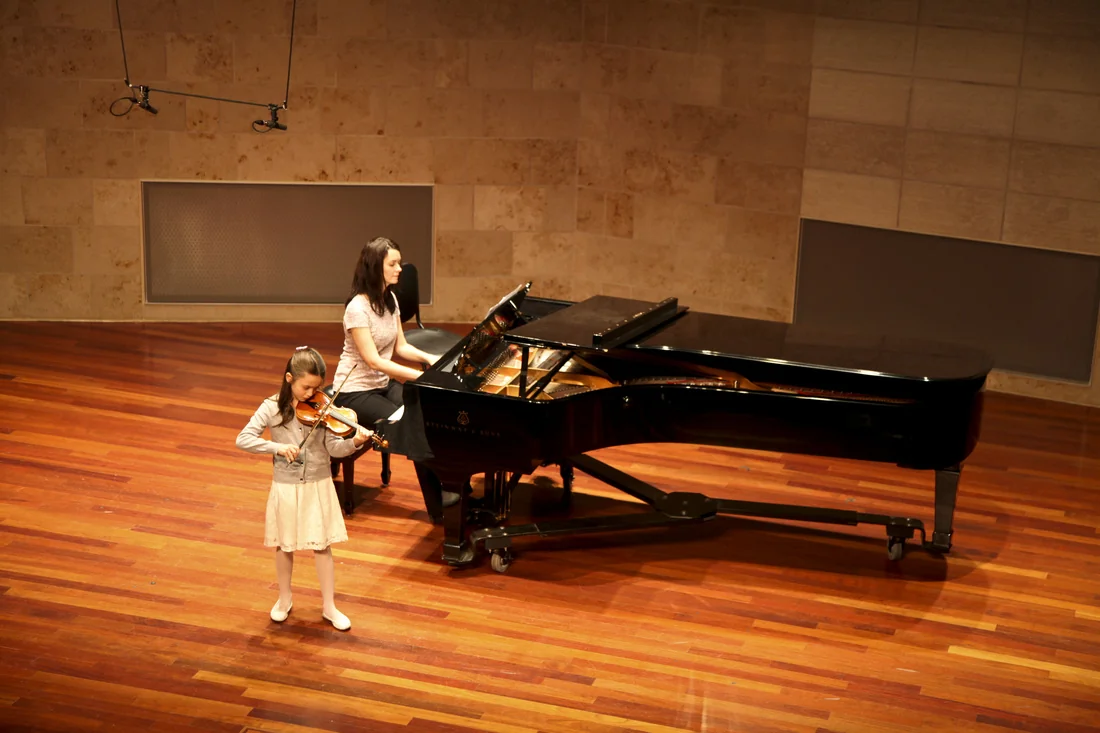
Amabile also offers recital opportunities for students who want a meaningful reason to polish a piece and share their progress. Participation is not required. Some students thrive with a performance goal, while others value the personal focus of learning for themselves. Both are valid reasons to make music.
Before You Commit
It is hard to judge a music program from a list of instruments or a schedule alone. The questions that matter most are personal: Will this teacher understand what motivates my child? Does the lesson feel structured without becoming rigid? Can we make the weekly rhythm work alongside everything else in our family’s life?
A trial lesson is a practical way to get those answers. Your family can meet a teacher, see the learning environment, talk through experience and goals, and ask about the instrument that makes the most sense. There is no need to arrive with a fully formed plan. A beginner can start with curiosity, and a returning musician can start with the music they miss playing.
For families with a very young child, Amabile’s Little Mozart program offers a gentler first experience through rhythm, singing, movement, games, and keyboard readiness. For students ready for one-on-one learning, private lessons begin at age five.
Before booking, families can also review published tuition, look through the school’s faculty, and explore the available programs and instruments. That preparation makes the first conversation more useful, but it is never a requirement. The point is simply to find a musical path the student can stay with.
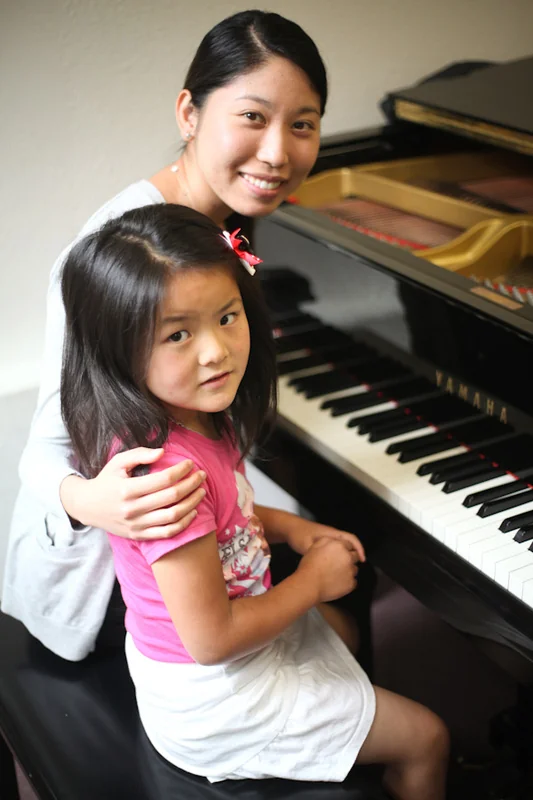
A weekly lesson gives students more than time with an instrument. It gives them a place to listen closely, work through something difficult, and take pride in a skill that is genuinely theirs.
Those habits reach beyond the lesson room. They help students learn how to begin again, stay with a challenge, and recognize their own progress one small milestone at a time.
Patient Guidance
Teachers meet students where they are and make the next step clear enough to try.
Meaningful Progress
Students build a record of music they can play, understand, and feel proud of.
Frequently Asked Questions
Book a trial lesson and tell us about the student’s age, experience, musical interests, and schedule. We will help you find a sensible next step.
Book A Trial LessonWalnut Creek students can take in-person lessons at Amabile’s Moraga campus, at 1001 Country Club Drive, Suites D and A. Online lessons are also available when they better suit a family’s routine.
Students can explore piano, voice, violin, guitar, bass guitar, ukulele, French horn, and drums. Cello and clarinet are also available for adult learners, depending on teacher availability.
A trial lesson is the best place to discuss the student’s age, experience, instrument, goals, schedule, and teacher fit. Amabile can then recommend a sensible lesson length and next step.
Yes. Private lessons are designed for beginners as well as experienced students. Children can start private instruction at age five, while four-year-olds can explore Little Mozart.
Yes. Online lessons are available when an at-home option is the best fit for a student’s schedule or family routine.