A Comfortable Start
Learn At The Right Pace
Begin with balanced setup, bow control, rhythm, listening, and early pieces in an order that makes sense.
San Francisco, Moraga, And Online
Private cello lessons for children, teens, and adults, shaped around the student’s age, goals, and the weekly routine that makes music possible.
Established
Since 2008
Faculty
30+ Teachers
Lesson Formats
In Person + Online
Lesson Options
30, 45, Or 60 Minutes
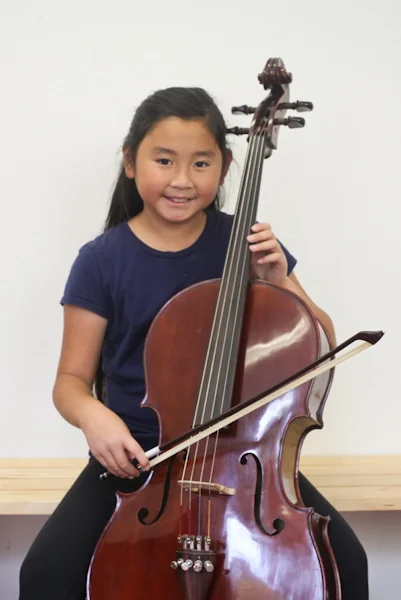
Cello is a large, expressive instrument, and the first questions are usually practical. Will it fit the student? How does a bow make a clear sound? Is it too late to start? Can lessons fit school, work, and family life? The right teacher makes those questions feel answerable rather than overwhelming.
Private cello lessons give students room to begin at their own pace. A young child may need support with posture, listening, and a small instrument size. A teen may want help with school orchestra, stronger technique, or a favorite piece. An adult may be returning to music after years away or beginning with a sound they have always loved.
At Amabile, lessons begin with the student in front of the teacher. The trial lesson is a low-pressure chance to meet, talk through goals, and find a sensible first direction before committing to a weekly routine.
A Comfortable Start
Begin with balanced setup, bow control, rhythm, listening, and early pieces in an order that makes sense.
Personal Attention
One-on-one feedback helps resolve a hand-position, reading, or sound question before it becomes discouraging at home.
Music With Purpose
Technique and musicianship support the music a student wants to make, from first songs to school repertoire.
A Routine That Lasts
Choose San Francisco, Moraga, or online lessons to make a steady weekly music routine easier to keep.
Each lesson connects a physical skill to the music the student is building, then gives practice at home a clear purpose.
A balanced setup and an easy first sound
Students learn how the chair, endpin, instrument position, and bow work together so the cello feels supported rather than awkward.
Bow control, left-hand ease, and intonation
Focused feedback helps students notice the small movements that create a steadier tone, more comfortable fingers, and pitches they can hear and adjust.
Rhythm, reading, and musical listening
Teachers connect what is on the page with what a student hears, so counting and phrasing become part of the music rather than separate chores.
A practice plan that fits real life
A specific weekly assignment gives a student a useful place to begin, whether practice happens in short weekday sessions or a longer weekend window.
For a younger beginner: lessons build comfort, coordination, listening, and the pride that comes from playing a short piece all the way through. A teacher can help a family understand instrument size and create a home routine that feels encouraging.
For a teen: private lessons can support school music, audition preparation, technique, and repertoire while making room for a student’s own musical taste and goals.
For an adult beginning or returning: lessons offer structure without asking music to take over a busy life. The work can be paced around existing skills, favorite sounds, and the amount of time a student can realistically protect each week.
For a family comparing instruments: a trial lesson lets the student experience cello with a teacher present. It is a practical way to judge comfort, interest, teacher fit, and a sensible next step.
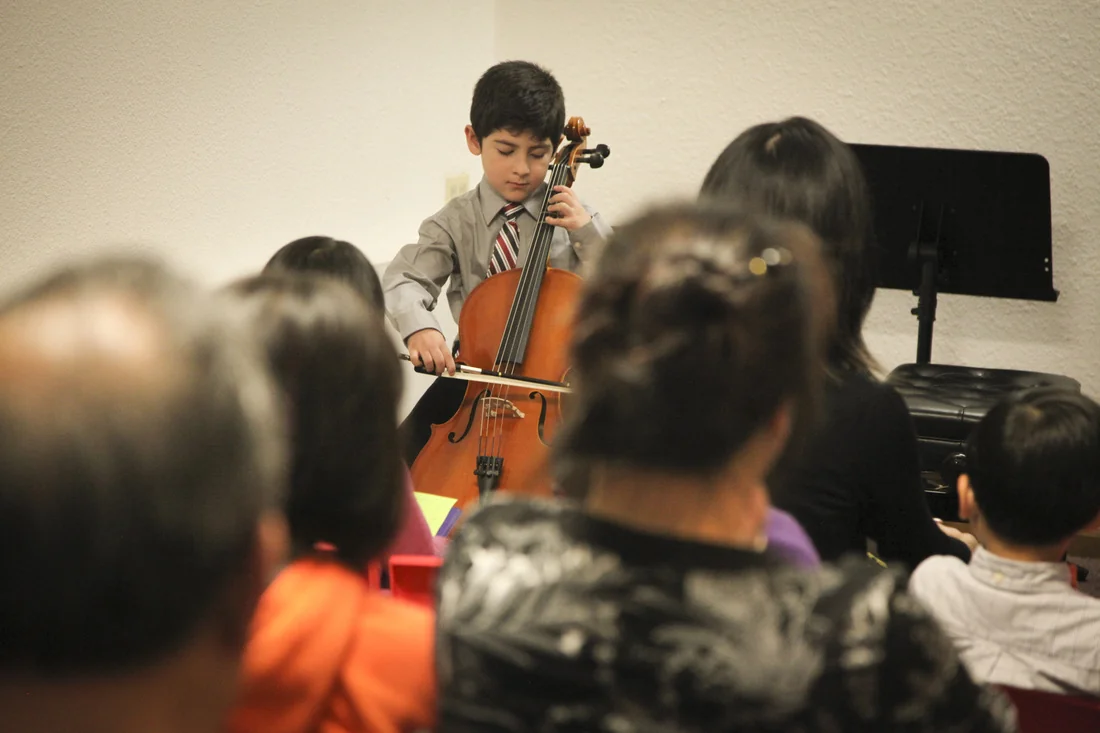
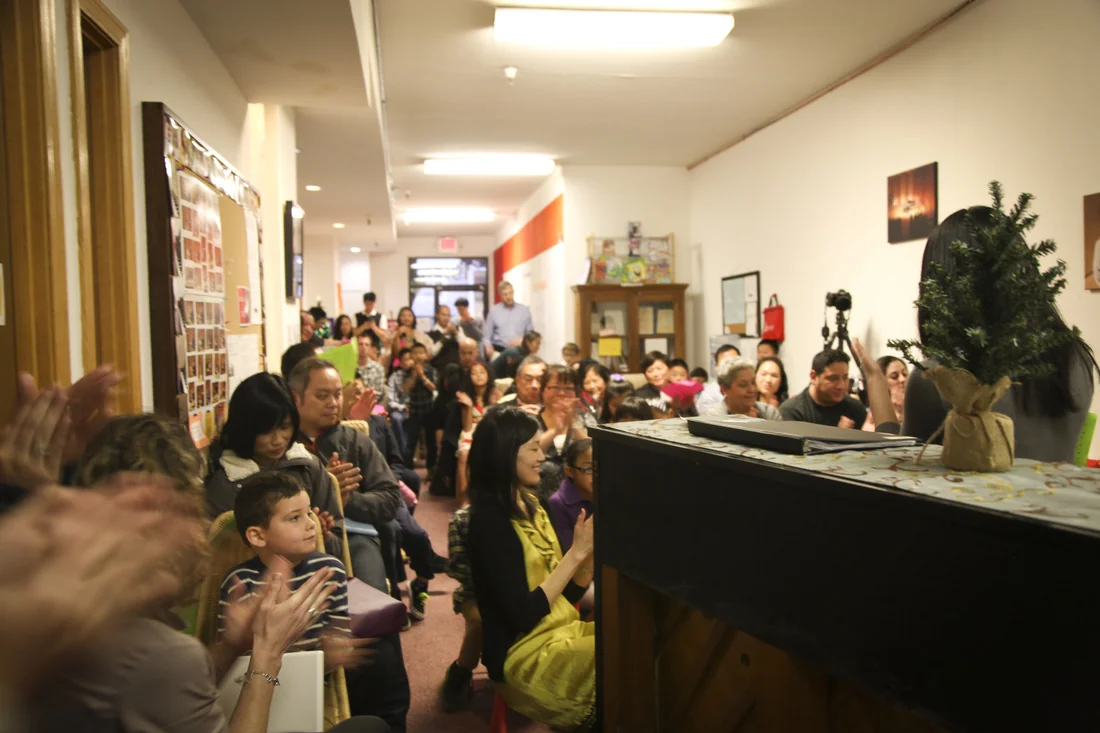
Some students are happiest playing at home. Others enjoy having a piece or a date that gives practice direction. Amabile offers recital and performance opportunities for students who want that extra goal, without making participation a requirement.
Low Pressure
Build confidence gradually in a supportive setting and decide when the time feels right to share.
Real Milestones
Turn a practice goal into a piece that gives weekly work a satisfying sense of purpose.
Convenience matters when a lesson needs to become part of a real week. Amabile offers private cello lessons in San Francisco and Moraga, with online lessons available when learning from home makes more sense.
Families from Lafayette, Orinda, Walnut Creek, and nearby East Bay communities can use the Moraga campus as a practical in-person option. The San Francisco campus serves families across the city. The right location is the one that makes consistent lessons and practice feel workable alongside everything else.
For online students, a teacher can help make the most of the space and instrument already at home. It can be a useful option when travel is difficult or a family’s schedule changes week to week. The goal stays the same: focused feedback, clear next steps, and music that feels personal.
Thirty-minute lessons can be a strong first fit for younger beginners. Forty-five or sixty minutes create more room for students who want deeper work with technique, reading, repertoire, or performance preparation.
Students do not need an elaborate setup before beginning. The first lesson can clarify instrument size, rental options, practice space, and accessories that make sense for the student.
The right teacher helps a student feel heard, appropriately challenged, and clear about what comes next. A trial lesson makes that decision easier before a new routine is added to the calendar.
Yes. Beginners are welcome. Lessons begin with a comfortable setup, first bow strokes, listening, rhythm, note reading, and simple music. The goal is to make each new skill understandable before adding the next one.
Children can begin private cello lessons from age 5 through adult. A trial lesson helps the teacher understand a child’s readiness, attention, physical comfort with the instrument, and the right lesson length.
No. The trial lesson is a useful time to discuss instrument size, rental options, home practice space, and accessories. Families do not need to make an equipment decision before meeting a teacher.
Yes. Amabile welcomes adult beginners and returning players. Teachers can shape the pace, repertoire, technique work, and practice plan around each student’s experience and weekly schedule.
Amabile offers in-person lessons in San Francisco and Moraga, with online lessons available when learning from home is the better fit. Families from Lafayette, Orinda, Walnut Creek, and nearby communities often use the Moraga campus.
Book a trial lesson and tell us the student’s age, preferred location, and whether in-person or online learning would fit best.
A good first conversation should leave the student feeling comfortable, curious, and clear about what comes next. For parents, it should make the practical details easier to understand: the teacher’s approach, the right lesson length, an appropriate instrument size, and how to support practice without taking over.
For older students and adults, fit often comes down to attention and direction. The right teacher listens to what matters, gives precise feedback, and turns a larger goal into a next step that feels worth returning to. A trial lesson gives everyone a chance to notice that before setting a regular schedule.