Quick answer
The best toddler learning activities are short, hands-on, and easy to repeat. Strong options include sorting and matching games, read-alouds, movement activities, sensory play, stacking, simple art, kitchen helping, and music-rich routines. Toddlers usually learn best through repetition, imitation, and interaction rather than long structured lessons. According to the CDC, young children build skills across play, language, and movement through everyday experiences and responsive support. CDC milestone guidance is a useful reminder that development is broad, not academic-only.
What Makes A Toddler Learning Activity Worth Doing
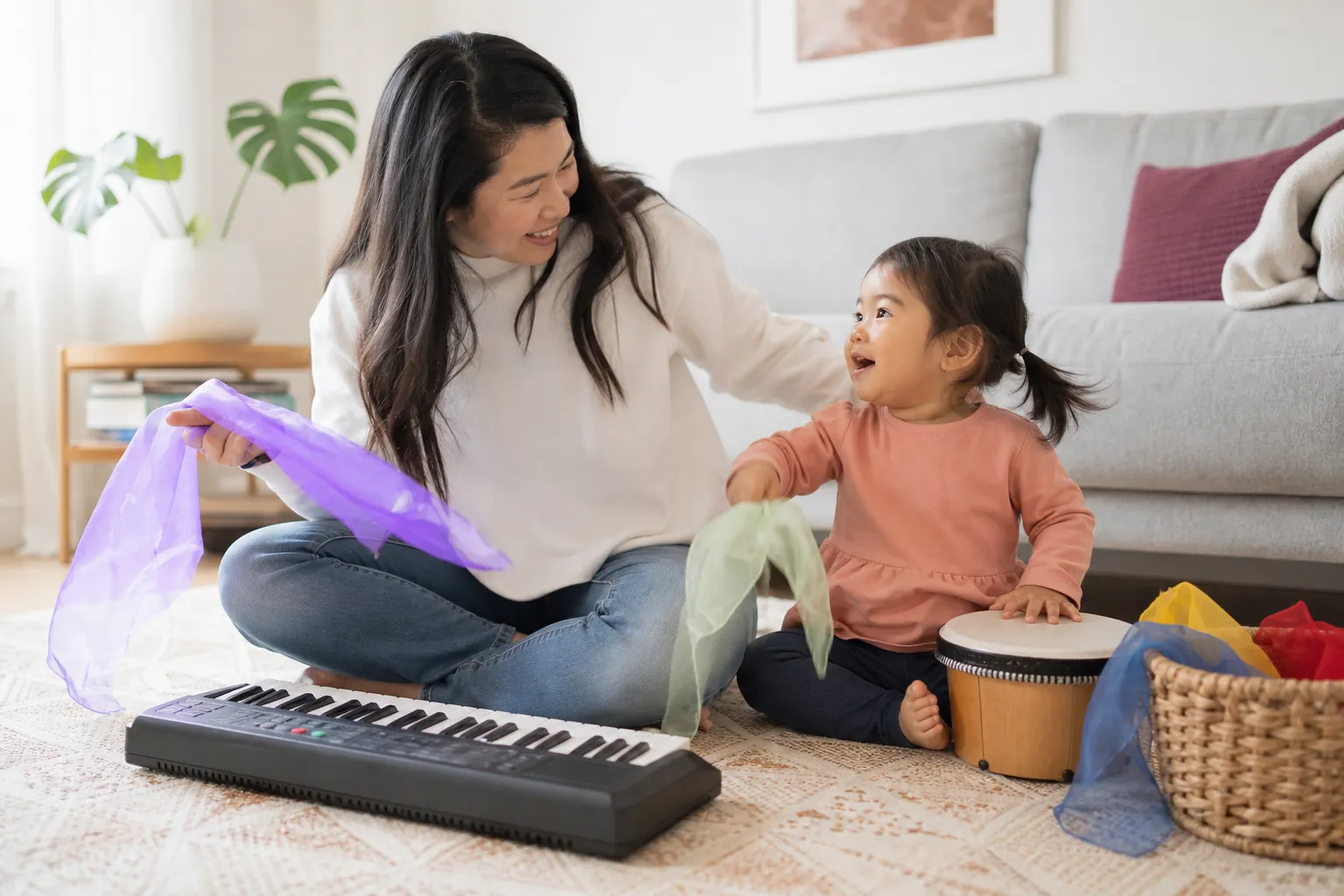
Useful toddler activities feel simple on the surface, but they give children a clear action, a chance to repeat it, and a parent who helps make meaning out of the moment.
Not every busy activity is a learning activity. Some setups look impressive but do not hold a toddler’s attention long enough to matter. The activities that actually work usually have a few things in common. They start fast, use familiar materials, and match what toddlers naturally do well: move, imitate, dump, fill, carry, stack, tap, point, and repeat.
The CDC’s parenting guidance for toddlers emphasizes that children in the second year are moving more, exploring objects, and imitating adults and older children. That makes imitation-based play especially useful at this age. When you sort blocks by color, clap a pattern, or place spoons in a bowl and let your toddler copy you, the activity fits the way they already learn. CDC toddler parenting guidance supports that developmental picture.
A good activity also gives a toddler a job they can understand. Put the red blocks in one pile. Match two socks. Carry all the toy animals to the basket. Tap when the song starts and freeze when it stops. The simpler the job, the easier it is for the child to join with confidence.
- Keep the main action obvious.
- Let repetition do some of the teaching.
- Use language during the activity instead of giving a long explanation before it.
- Stop before frustration takes over.
- Notice what your toddler returns to on their own.
Build Learning Around Movement First
When toddlers can move their bodies, they are often much more ready for listening, sorting, reading, and calmer focused play afterward.
Parents often try to start with a table activity because it looks educational. But for many toddlers, movement is what makes later focus possible. A child who needs to march, crawl, reach, or climb is not being difficult. They are using the learning channel that is strongest for them in that moment.
The CDC’s child activity guidance encourages caregivers to keep children active through play. For toddlers at home, that can be as simple as making a tape line to walk on, setting up a pillow path, asking them to carry stuffed animals across the room, or doing a short freeze dance. CDC physical activity guidance is broad, but the takeaway for parents is practical: active play is not separate from development. It supports it.
You can turn movement into a learning activity by adding simple concepts as you go. Use words like under, over, fast, slow, heavy, soft, near, far, up, and down. Count steps out loud. Ask your toddler to jump two times, then stop. These are early math, language, listening, and self-regulation opportunities hidden inside play.
Use Sorting Matching And Stacking For Early Thinking Skills
Toddlers do not need worksheets to begin learning categories, patterns, size, and one-step problem solving.
Sorting and matching activities work well because they turn abstract ideas into something a toddler can touch. You can sort toy animals by type, blocks by color, spoons by size, socks by pair, or cups by big and little. You can also stack cans, nesting cups, or soft blocks and talk about tall, short, more, and again.
These activities are valuable because they build attention, visual discrimination, hand use, and early reasoning without making the child feel tested. A toddler who puts all the blue pieces together is doing more than staying busy. They are practicing noticing sameness and difference.
If your child loses interest quickly, simplify the task. Match two things instead of five. Build a three-block tower instead of a ten-block tower. Success matters more than complexity in the toddler stage.
Families who want more ideas in this area may also find our guide to fine motor activities for toddlers helpful, especially for hand strength and simple tool use.
Read Aloud In A More Interactive Way
Reading counts as a learning activity long before a toddler sits still for a full story start to finish.
Parents sometimes assume read-aloud time only counts if the child listens quietly from beginning to end. In the toddler years, that is too narrow. Interactive reading is often more useful. Point to pictures. Ask your child to find the dog, the red ball, or the big truck. Pause before a favorite word and let them fill it in. Use the same book again tomorrow. Repetition is not a problem. It is part of how toddlers learn language.
The American Academy of Pediatrics has consistently emphasized reading and play as part of healthy early development, and HealthyChildren.org frames play as a powerful way children learn and connect. HealthyChildren’s play guidance is useful because it reminds parents that the interaction itself matters, not just the materials.
One easy way to make reading more active is to pair a book with a tiny follow-up job. After a book about animals, ask your toddler to sort toy animals. After a book with vehicles, line up toy cars and count them. That small bridge helps a toddler connect words to actions.
Bring Music Into Daily Learning Routines
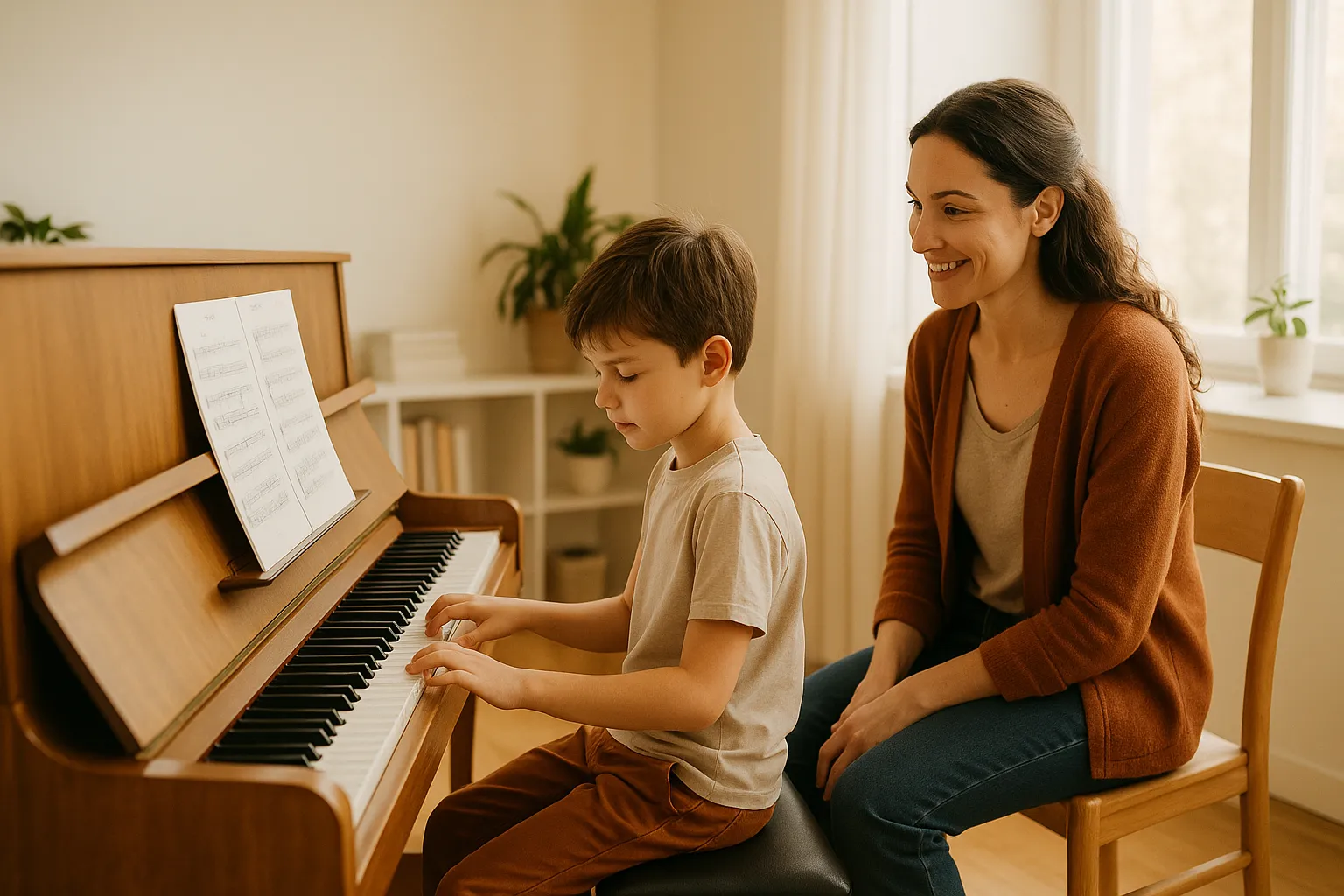
Music is one of the most flexible toddler learning activities because it supports listening, imitation, memory, movement, and connection all at once.
Music deserves a place in almost every toddler activity list because it is easy to repeat and easy to adapt. You can use songs to start cleanup, mark transitions, slow a child down before bedtime, or add energy when the afternoon is dragging. More importantly, music gives toddlers a structure they can feel before they fully understand it.
Research on early home music environments suggests that parent-child musical interaction is common and meaningful in the early years. A widely cited Music@Home research instrument describes home music for young children as including singing, dancing, listening, and musical games, and notes associations between frequent parent-child musical interaction and positive early outcomes such as vocabulary-related measures. Music@Home research overview offers a helpful frame. A more recent study also found that parent singing and the overall home music environment were associated with infant vocabulary comprehension, production, and gestures. Recent home music environment study.
For parents, the practical takeaway is simple. You do not need a formal curriculum to use music well. Try:
- clap and copy rhythm games
- freeze dance with start and stop listening
- hello and goodbye songs for routines
- loud and soft tapping on cushions or containers
- high and low voice imitation
- counting songs while cleaning up or walking
If your toddler consistently lights up during rhythm games, singing, or keyboard play, that can be an early sign that a beginner class would feel natural rather than forced.
Use Sensory Play For Vocabulary And Focus
Sensory play is not just about texture. It creates natural opportunities for describing, comparing, listening, and staying with one useful action for longer.
Sensory activities work well for toddlers because they invite exploration without too many rules. Scoop dry oats with a cup. Move water between containers. Peel tape from a tray. Press play dough with a spoon. Bury large safe objects in a sensory bin and ask your toddler to find them. The learning happens through the repeated action and the language around it.
Say what your child is noticing. Wet, dry, empty, full, sticky, smooth, heavy, little, more. That narration gives a toddler words attached to real experiences. When you keep the setup simple and the language steady, the activity becomes both calming and educational.
If sensory play is especially effective for your child, our article on sensory activities for toddlers goes deeper into low-prep ideas and why they help.
Let Toddlers Help In Real Everyday Tasks
Some of the best learning activities are ordinary jobs done slowly enough for a toddler to join.
You do not always need a special setup. Toddlers can learn a lot from helping with real routines. Stir pancake batter. Transfer washed fruit to a bowl. Carry napkins to the table. Match lids to containers. Put clean socks in pairs. Wipe a low surface with a small cloth. These tasks build coordination, sequencing, listening, and the feeling of being capable.
They also tend to work well because toddlers like real work. A task connected to family life often feels more meaningful than a toy designed to teach a concept. The key is to slow it down, lower the expectations, and give one clear job at a time.
This is also where parents can keep learning from becoming too abstract. A toddler who helps scoop, pour, wipe, match, and carry is building useful body control and attention that later support more formal learning.
A Simple Weekly Rhythm For Toddler Learning Activities
If you want fewer random ideas and more consistency, use the same activity types across the week and let repetition do the heavy lifting.
Many families do better with a repeatable rhythm than with a huge list of one-time ideas. The rhythm can stay the same even if the materials change a little. That makes home life simpler and helps toddlers know what to expect.
- Movement day: obstacle path, marching, jumping, or freeze dance.
- Sorting day: colors, shapes, socks, blocks, or toy animals.
- Sensory day: scooping, pouring, dough, water, or tape peeling.
- Music day: rhythm copying, song routines, or simple instrument play.
- Book and language day: repeated read-alouds, naming, pointing, and tiny follow-up play.
You do not have to keep these categories separate every day, of course. Good toddler learning activities often overlap. A music game can include movement. A sensory bin can include counting. A read-aloud can lead into matching and sorting. The point is to give your week a shape that feels manageable.
Useful Resources And Related Reading
These references and related articles can help you build a clearer developmental picture without making home life feel like school.
For developmental context, the CDC milestone pages, the CDC’s toddler parenting guidance, and HealthyChildren’s page on the power of play are all strong starting points. For music-specific perspective, the Music@Home paper and the newer home music environment study are especially relevant.
On Amabile’s site, you can also compare this topic with our article on toddler activities at home, explore sensory activities for toddlers, and look at indoor activities for kids when you need ideas for slower days indoors.
When Home Learning Starts Turning Into A Real Interest In Music
Amabile School of Music helps Bay Area families turn early curiosity into joyful, confidence-building progress.
Home learning activities often show parents what their child is drawn to before the child can explain it. Some toddlers keep returning to songs, rhythm games, toy keyboards, and listening play. That does not mean they need a formal lesson immediately. It does mean their interest is worth noticing.
Amabile School of Music serves Bay Area families with warm, experienced teachers, beginner-friendly pathways, and frequent performance opportunities that help children build confidence over time. For very young beginners, the Little Mozart group class offers an age-appropriate first step with musical games, keyboard basics, and a mini-recital. Families can also learn more about programs, locations, and next steps on the programs page, the locations page, or by using the contact page to ask questions.
For parents who are seeing that spark already, a trial lesson or early music class can be a gentle next step that keeps the playfulness intact while adding structure, expert guidance, and more chances for confidence to grow.
Frequently Asked Questions
What are the best toddler learning activities at home?
The best toddler learning activities are simple, repeatable, and tied to real developmental work. Good options include sorting, stacking, read-alouds, movement games, sensory bins, music and rhythm play, and simple art or kitchen tasks with close supervision.
How do toddlers learn best?
Toddlers usually learn best through hands-on play, repetition, movement, imitation, and back-and-forth interaction with a caregiver. They often learn more from short, engaging activities than from long, highly structured lessons.
How long should a toddler learning activity last?
Many toddler learning activities work best in short blocks of around 5 to 15 minutes, though some children stay engaged longer when the activity strongly matches their interests and energy level.
Are music activities really educational for toddlers?
Yes. Music activities can support listening, imitation, turn-taking, memory, movement, and early language-rich interaction. They are especially useful because they are easy to repeat and can fit naturally into daily routines.
When should a toddler move from home activities to a class?
A class may make sense when a toddler consistently enjoys music, movement, imitation games, and participating with an adult, and seems ready for a short routine with gentle structure. An early childhood music class can be a natural next step.