Start Where You Are
Beginner Friendly
Build a comfortable setup, early bow control, listening, rhythm, reading, and simple music in a sequence that makes sense.
San Francisco, Moraga, And Online
Start from the beginning, return after years away, or make room for the cello again with private lessons built around your goals and your real week.
Established
Since 2008
Faculty
30+ Teachers
Lesson Formats
In Person + Online
Adult Lesson Length
45 Or 60 Minutes
Many adults are drawn to the cello because of its sound, its range, and the feeling of playing music that can be both grounding and expressive. Some are beginning after hearing an instrument they love. Others played in school, stopped when life became busy, and are ready for a more intentional way back.
At Amabile, a cello lesson starts with the student in front of the teacher, not an assumed level. A beginner can learn how the instrument fits the body, how the bow begins to speak, and how to read a first musical line. A returning player can refresh sound, rhythm, left-hand comfort, and repertoire without being treated like they have forgotten everything.
You do not need a finished piece, a conservatory background, or an ideal practice schedule before you begin. The useful starting point is a teacher who can make the next step clear and help you notice the musical progress that is already happening.
Start Where You Are
Build a comfortable setup, early bow control, listening, rhythm, reading, and simple music in a sequence that makes sense.
Personal Attention
One-on-one guidance helps solve a posture, bowing, or intonation question before it becomes a frustrating habit.
Sound And Expression
Fundamentals support music you want to make, from a steadier tone to a phrase or piece that feels expressive and satisfying.
A Plan That Fits
Choose San Francisco, Moraga, or online lessons to make a consistent musical practice more realistic.
A good lesson connects the physical details of playing with the music that keeps an adult learner motivated to return each week.
A balanced setup and a clear first sound
Cello feels more manageable when the chair, endpin, instrument position, and bow hold support the body instead of fighting it.
Bow control, left-hand ease, and intonation
A teacher can help isolate the small movements that make tone more reliable, shifts less intimidating, and pitches easier to hear and adjust.
Reading, rhythm, and musical direction
Lessons connect what is on the page with what the player hears, so counting and phrasing become part of the music rather than separate chores.
A practice plan that feels possible
A focused weekly assignment gives you a place to begin at home, whether you have fifteen minutes on a weekday or a longer weekend session.
For a complete beginner: lessons can begin with a calm introduction to the instrument. You can work on how the cello feels, how to make a first sound, how to follow simple rhythms, and how to build confidence before the next skill arrives.
For someone returning after school or college: a teacher can help you find the useful parts that are still there, then rebuild technique and reading in a way that respects your experience and your current goals.
For an ensemble-minded player: private time can strengthen tone, rhythm, entrances, phrasing, and the passages that keep you from feeling at ease in a community group or chamber setting.
For a busy adult who needs accountability: a weekly lesson gives practice a place on the calendar. Small, focused sessions become easier to protect when you know exactly what you are listening for.
A trial lesson is a chance to meet the teacher and talk about why the cello has your attention now. You do not need to prepare an audition, remember old scales, or own the perfect home setup before you arrive.
The teacher may ask what kind of music you enjoy, how much experience you have, and what you hope lessons will bring to your week. A beginner may try the instrument and bow, listen for a first sound, and explore simple rhythm. A returning player may work through a familiar passage or identify the part of playing they want to make easier.
By the end, you should have a clearer sense of teacher fit, lesson length, instrument needs, and a realistic first direction. That makes it easier to decide whether the next step feels right before you commit to a new routine.
Adults often worry that they cannot practice enough to justify lessons. In reality, a clear plan and a small amount of protected attention can be far more useful than an occasional long session spent guessing what to do. The goal is not to make every week look the same. It is to keep a relationship with the instrument.
One lesson may focus on drawing an even bow and hearing a cleaner pitch. Another may work through a difficult rhythm, a short shift, or a phrase that needs more shape. Your teacher can help choose the next useful detail, so each practice session has a purpose instead of becoming a vague instruction to do more.
Cello progress often appears in small moments: a note speaks more freely, a passage settles under the fingers, a bow change becomes quieter, or a familiar line sounds more like music. Regular lessons give those changes a place to build on one another.
Take a moment to sit comfortably, place the cello well, release extra tension, and make a few attentive sounds before trying to solve a difficult passage.
Work one assigned pattern slowly enough to hear what changes. A short, attentive repetition can do more than playing through a whole piece on autopilot.
Finish with a short melody, phrase, or section that reminds you why you picked up the cello in the first place.
Some adult cello students are happiest playing at home. Others enjoy having a piece or a date that gives practice direction. Amabile offers recital and performance opportunities for students who want that extra milestone, without making participation a requirement.
Low Pressure
Build confidence gradually in a supportive setting and decide when you are ready to share.
Real Milestones
Turn a practice goal into a piece that gives weekly work a satisfying purpose.
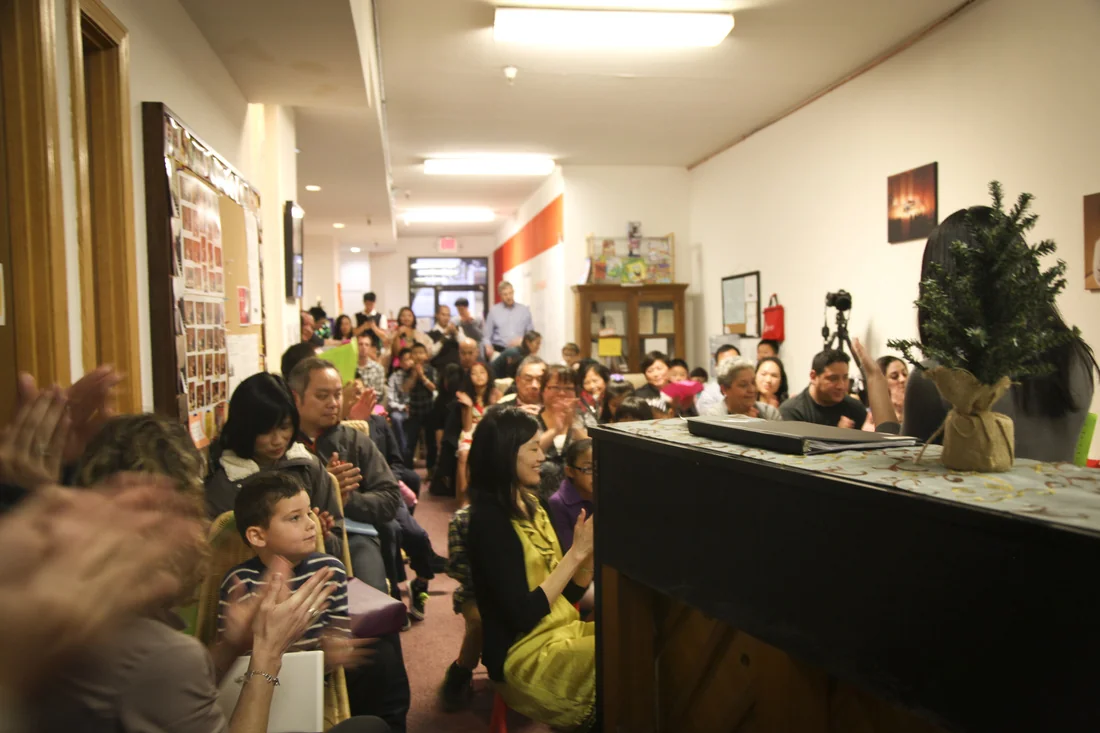
Consistency is easier when a music school fits the rest of life. Amabile offers in-person lessons in San Francisco and Moraga, plus online options when learning from home makes more sense for the week ahead.
For adults who need to rent, buy, or transport a cello, the trial lesson is a practical time to talk through size, setup, location, lesson length, and what a sustainable home practice plan could look like.
Sunset Parkside District
1213 Vicente Street, San Francisco, CA 94116
In-person and online lessons are available seven days a week.
(415) 682-7738Serving Lamorinda
1001 Country Club Drive, Suites D & A, Moraga, CA 94556
In-person lessons are available Monday through Saturday, with online options seven days a week.
(925) 376-6328Yes. Adult beginners are welcome. Lessons can begin with a comfortable setup, early bow control, listening, rhythm, reading, and simple music in a sequence that feels clear and manageable.
Returning players are welcome. A teacher can help you refresh tone, bow control, left-hand comfort, reading, rhythm, and repertoire at a pace that feels encouraging and productive.
No. A trial lesson is a useful time to discuss your goals, body comfort, home space, and what instrument size or rental approach will make sense before you commit to equipment.
Yes. Adult cello lessons are available online as well as in person at the San Francisco and Moraga campuses.
Lessons are available in 30, 45, and 60 minute formats. For adults, 45 minutes is a useful minimum for focused work, with 60 minutes creating more room for deeper technique or repertoire goals.
Book a trial lesson and tell us your preferred campus, whether online or in-person works best, and what you hope to work toward.