Quick answer
At Amabile, weekly private voice lessons cost $225 a month for 30 minutes, $330 for 45 minutes, and $420 for 60 minutes. Across the broader market, private singing lessons often run roughly $30 to $45 for 30 minutes, $40 to $70 for 45 minutes, and $50 to $90 for 60 minutes, though Bay Area rates can run higher. The right choice depends on the teacher, lesson length, and support that will help the student improve steadily.
| Lesson length | Typical private lesson range | Amabile monthly tuition | Best fit |
|---|---|---|---|
| 30 minutes | $30 to $45 | $225 | Younger beginners and short weekly check-ins. |
| 45 minutes | $40 to $70 | $330 | Older children, teens, and adults who need more technique and song work. |
| 60 minutes | $50 to $90 | $420 | Advanced students, audition prep, and singers with larger goals. |
Amabile tuition is for weekly private lessons billed monthly. The market ranges are broad estimates, not a quote from every school. Local cost of living, teacher background, and what the program includes can move the price up or down.
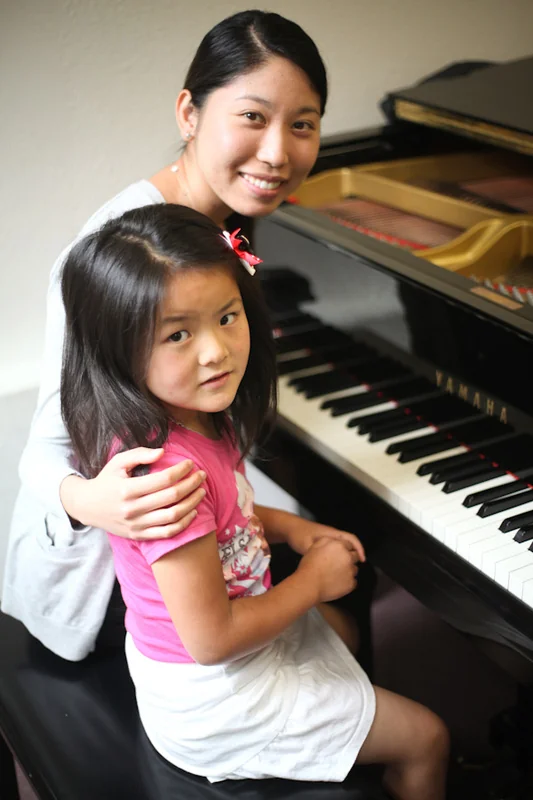
Average Voice Lesson Prices By Length
The cleanest way to compare singing lessons is by lesson length first, then by teacher and format.
When people search how much are voice lessons, they are usually trying to answer a practical question: what will this cost per month if I or my child takes one lesson each week? Consumer pricing guides are not perfect, but they do help set a reasonable starting range. Lessons.com currently lists average private voice lesson pricing at about $30 to $45 for 30 minutes, $40 to $70 for 45 minutes, and $50 to $90 for 60 minutes, with monthly pricing often landing around $190 to $400 for four to five sessions depending on lesson length and format.
That kind of range is useful because it shows why broad internet answers can feel inconsistent. A parent in a high-cost area such as the Bay Area should expect rates toward the higher end of the market, especially when lessons are taught by experienced teachers at an established school. Pricing is not random. It usually reflects teacher quality, local overhead, lesson length, and what the tuition includes outside the lesson itself.
It is also worth remembering that singing is highly individualized. A good teacher is not simply renting out time. The lesson includes technical listening, problem solving, sequencing, encouragement, and clear practice direction that fits the student’s age and goals.
Why Voice Lesson Prices Vary
Rates can change a lot, but most of the reasons are practical and easy to understand.
The biggest drivers of singing lesson cost are lesson length, the teacher’s experience, whether the lesson is private or group-based, whether it is online or in person, and where you live. Lessons.com notes the same broad factors across music lessons generally, including geography, teacher expertise, travel or studio overhead, and books or materials.
Teacher background matters more in voice than many beginners realize. Vocal study is technical and physical. The teacher has to hear what is happening, explain it in language the student can use, and build healthy habits over time. That usually means a more experienced teacher or well-run school will charge more than someone teaching casually on the side.
- 30-minute, 45-minute, or 60-minute lessons
- independent teacher versus full music school
- beginner-friendly teaching skill and experience
- online versus in-person delivery
- urban market pricing and local overhead
- extras such as recitals, scheduling help, and office support
If you only compare the price tag, you miss the most important part of the decision. Two teachers may charge different rates because one simply offers a stronger, more organized learning experience.
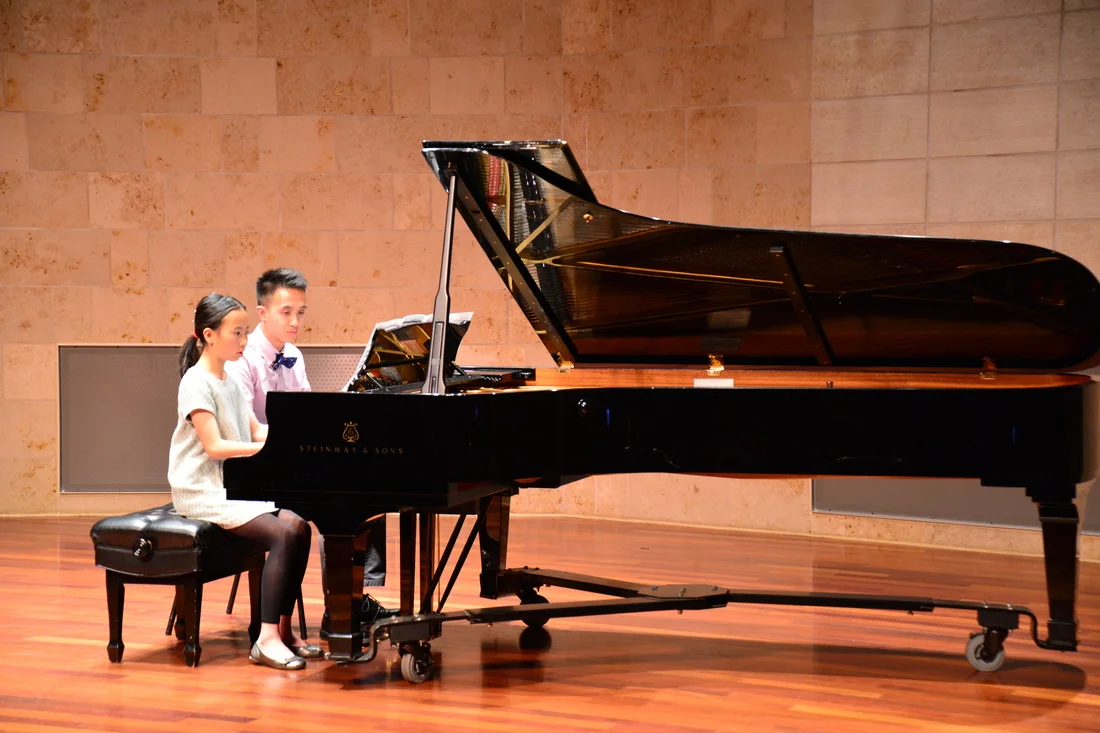
30-Minute Vs 45-Minute Vs 60-Minute Voice Lessons
The right length depends on age, stamina, and what the student needs to cover each week.
A 30-minute voice lesson can work well for many younger beginners. It gives enough time for a short warmup, one or two technical focuses, a simple song or exercise set, and a clear practice assignment without overloading a child’s attention span.
A 45-minute lesson often makes more sense for older children, teens, and adults. There is more room for warmups, breathing and posture work, pitch or resonance work, song study, and feedback that actually sinks in. If a student is serious about improvement, that extra time can make the lesson feel much more complete.
A 60-minute lesson is often best for advanced students, audition preparation, musical theater work, or singers balancing technique with repertoire. The lesson can move at a less rushed pace and cover more material in a single sitting.
In other words, the least expensive lesson length is not always the best value. If a student really needs 45 minutes to do good work each week, paying for only 30 minutes may feel cheaper but lead to slower progress.
Are Online Voice Lessons Cheaper Than In-Person?
Sometimes, but families should not assume online automatically means discount pricing.
Some teachers do charge a bit less for online voice lessons, and Lessons.com lists online vocal lessons below in-person private lessons on average. Still, many teachers charge similar rates for both formats because the real value is the teacher’s listening, correction, and preparation, not just the room where the lesson happens.
For many families, the bigger benefit of online lessons is convenience. Online access can cut commute time, make scheduling easier, and help students stay consistent when the week gets busy. That can be especially helpful for Bay Area families juggling school pickup, sibling activities, and work schedules.
If you are comparing formats, ask which setup gives the student the best chance to show up week after week. In the long run, consistency usually matters more than a modest difference in price.
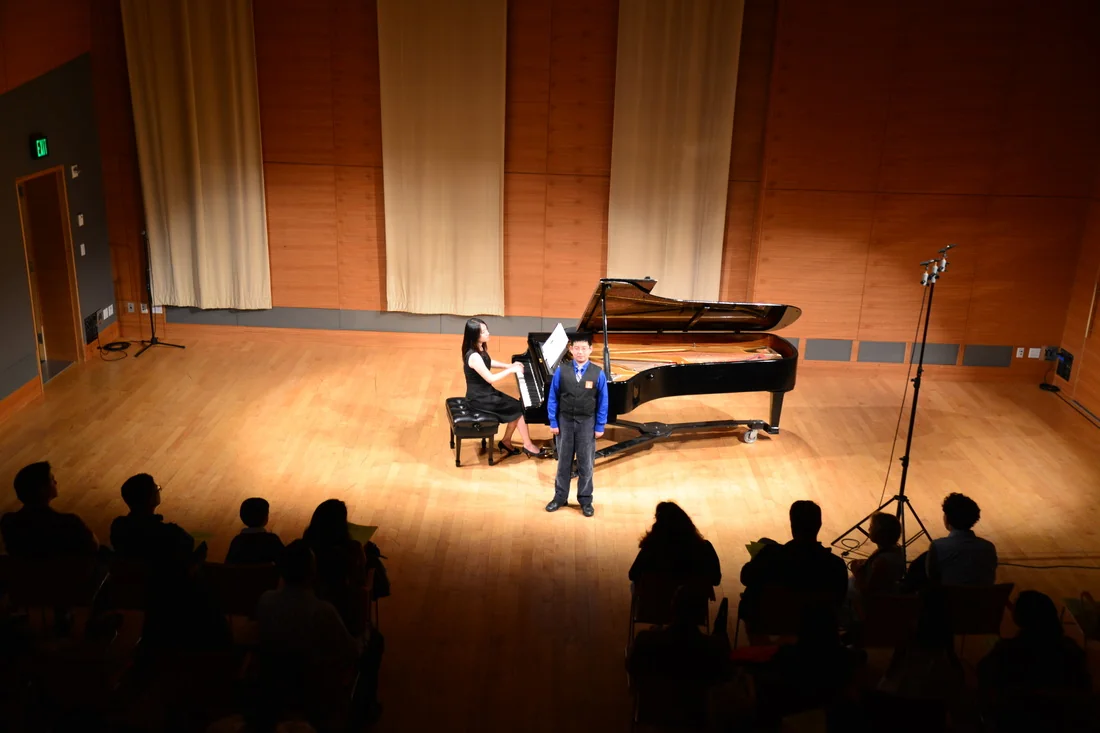
What To Look For Beyond Price Alone
A low monthly rate can still be a poor deal if the teaching is weak or the student never finds momentum.
If you want a better framework for comparing voice lessons, start with teacher quality. The Music Teachers National Association says a professional music teacher provides personalized guidance and helps students grow with confidence and joy. For voice specifically, the National Association of Teachers of Singing maintains a Find-A-Teacher directory, which is a helpful reminder that teacher fit and professionalism matter more than a polished sales page.
Families should also compare what happens around the lesson. Are there recital opportunities? Is communication organized? Does the school make scheduling realistic for busy households? Is there a trial lesson so you can assess fit before committing? Those details have a big effect on whether a student stays engaged long enough to make progress.
A practical comparison checklist looks like this:
- Does the teacher work well with this age and experience level?
- Is the recommended lesson length realistic and appropriate?
- Are online and in-person options available if schedules change?
- Does the program include recital or performance opportunities?
- Is communication clear and scheduling manageable?
- Can the student grow with the school over time?
What Families Should Budget For Besides Tuition
Monthly lesson cost is usually the main number, but it is not always the only one.
Voice lessons often come with a few smaller costs around the edges. These are usually manageable, but they are worth knowing up front so the budget feels clear.
- a trial lesson fee
- a one-time registration fee at some schools
- sheet music or printed materials
- accompaniment or recital-related costs in some programs
- travel time and transportation for in-person lessons
At Amabile, families can review published tuition and pricing directly, which helps remove guesswork. The school also offers trial lessons, month-to-month enrollment, and both online and in-person access, so families can judge fit without feeling locked into a long contract right away.
Why Recitals And Consistency Matter In The Value Equation
Good voice lessons are not just private sessions on a calendar. They should build confidence and momentum over time.
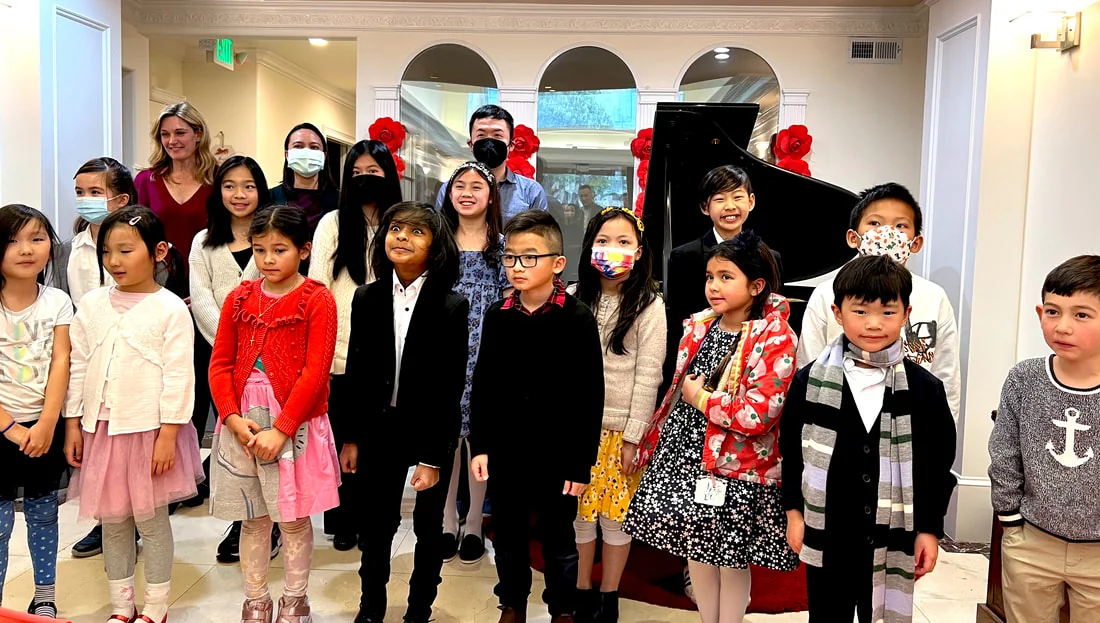
For many students, especially children and teens, the best programs include more than weekly instruction. Performance opportunities create motivation. They give students a reason to prepare carefully, practice more consistently, and build confidence in front of other people.
That is one reason a school with regular recitals can be a better value than a slightly cheaper option with no larger structure around the lesson. Amabile gives students performance opportunities at least once every two months, with larger seasonal recitals as well. For families weighing cost, that kind of consistency can matter just as much as the base lesson rate.
It also helps to think about parent experience. An organized school with clear policies, responsive communication, and a warm teacher match reduces friction. That makes it easier for children to stay with lessons long enough for the investment to pay off.
A Simple Way To Decide If Voice Lessons Are Worth The Price
The easiest way to judge value is to see the teacher and structure in real life, not just on paper.
If you are still unsure how much voice lessons should cost for your child or for yourself, a trial lesson is usually the clearest next step. You can hear how the teacher explains technique, see whether the pacing feels supportive, and decide whether the environment feels organized and encouraging.
That matters because early momentum is fragile. A student who feels comfortable, knows what to practice, and has a teacher who makes progress feel achievable is much more likely to stick with lessons than a student who simply found the cheapest option online.
How Amabile Can Help
If you are comparing local voice lesson options, Amabile gives families a clear and practical next step.
Amabile School of Music offers voice lessons for children, teens, and adults in San Francisco, Moraga, and online. Families can review tuition and lesson lengths, explore both locations, meet the teaching team, and learn more about performance opportunities before booking.
For parents of young children, the school’s strongest advantages are warm teachers, a supportive environment, and regular recital opportunities that help confidence grow over time. That makes it easier to compare value on something more meaningful than price alone.
Frequently Asked Questions
What is the average cost of voice lessons?
At Amabile, weekly private voice lessons cost $225 a month for 30 minutes, $330 for 45 minutes, and $420 for 60 minutes. Broad private-lesson ranges are often about $30 to $45 for 30 minutes, $40 to $70 for 45 minutes, and $50 to $90 for 60 minutes. Bay Area families may see higher rates when lessons are taught by experienced teachers at an established school.
How much are voice lessons for beginners?
Beginner voice lessons often fall into the same general range as other private music lessons, but the actual price depends on lesson length, teacher experience, format, and location. In many markets, 30-minute lessons cost less than 45-minute or 60-minute lessons, and experienced teachers in high-cost areas usually charge more.
Why do singing lesson prices vary so much?
Voice lesson pricing changes based on lesson length, teacher qualifications, whether the lessons are private or group-based, whether they are online or in person, and what is included outside the weekly lesson itself. Geography and local cost of living also matter.
Are online voice lessons cheaper than in-person lessons?
Sometimes, but not always. Some teachers charge a little less for online lessons, while others keep rates similar because the teacher’s time and expertise stay the same. For many families, the bigger benefit of online lessons is convenience rather than a major price reduction.
Is a 30-minute voice lesson enough?
A 30-minute lesson can work well for many younger beginners and some casual adult students. A 45-minute lesson often gives older students, teens, and adults more time for warmups, technique, repertoire, and feedback in one session.
What should families compare besides price?
Families should compare teacher warmth, teaching quality, lesson length, scheduling flexibility, recital opportunities, communication, and whether the school offers a steady long-term path for growth. A lower rate is not always the better value if the fit or consistency is weak.