Quick answer
Piano lesson pricing varies by city, lesson length, teacher experience, and whether you are booking with an independent teacher or a full music school. In practice, many families see weekly piano lessons priced anywhere from moderate monthly tuition for shorter beginner lessons to higher monthly tuition for longer, more advanced study. What matters most is not just the sticker price. It is what the tuition includes, how well the teacher fits the student, and whether the lessons create steady progress.
What Piano Lessons Usually Cost
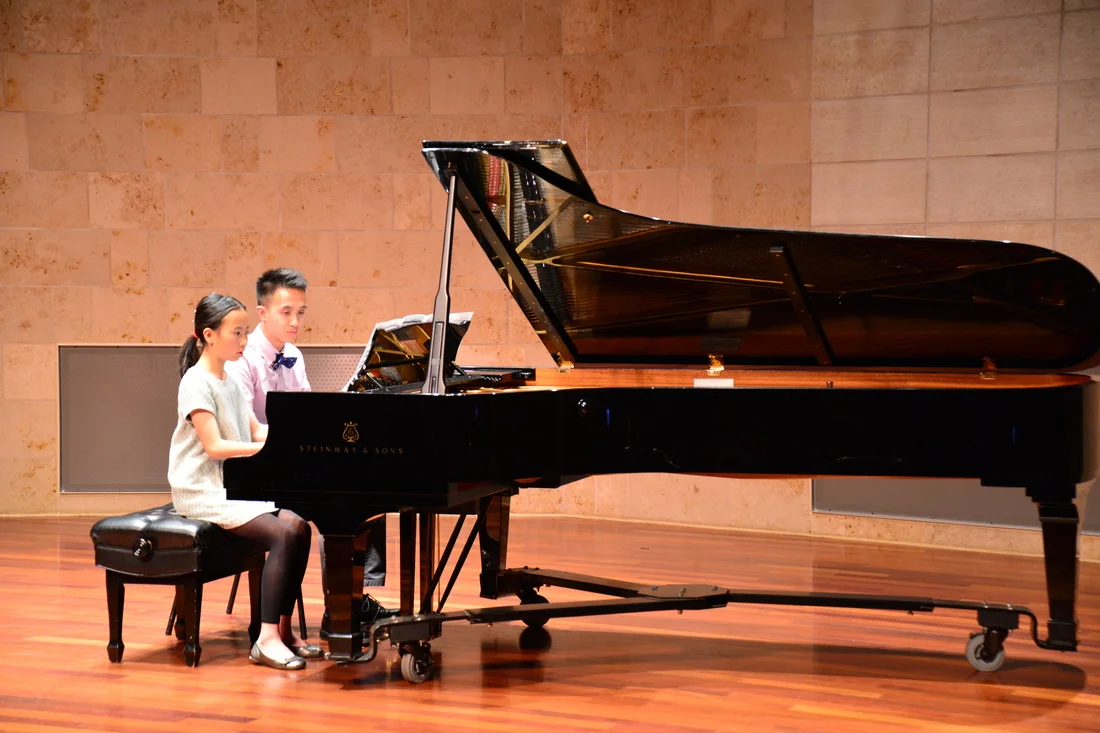
Most schools and teachers price lessons by weekly length, not just by instrument alone.
When parents search how much piano lessons are, they are usually trying to answer a practical budgeting question: what will this cost per month if my child takes one lesson every week? A useful way to think about it is by lesson length first.
Shorter weekly lessons are commonly used for younger beginners. Longer lessons are usually recommended for older children, teens, and adults because there is more material to cover in a single session. You are paying for more than time at the keyboard. You are also paying for the teacher’s preparation, sequencing, correction, and experience.
If you want a professional baseline for what good teaching should involve, the Music Teachers National Association describes a professional music teacher as someone who provides personalized guidance and supports long-term musical growth. That is a helpful reminder that price and value are not the same thing.
Amabile publishes its pricing clearly, which makes comparison easier. Current tuition is $225 per month for 30-minute private lessons, $330 per month for 45-minute lessons, and $420 per month for 60-minute lessons. The school also notes that 45 minutes is the minimum package for students age 7 and above, which reflects how lesson length should match the student’s stage and goals rather than price alone.
Why Piano Lesson Prices Vary
The number changes for good reasons. Comparing rates without context usually leads to the wrong conclusion.
The biggest factors behind piano lesson pricing are lesson length, teacher training, local cost of living, lesson format, and what is included outside the weekly session itself. A parent comparing rates in San Francisco or Moraga should expect higher tuition than in a lower-cost market simply because studio rent, wages, and operating costs are different.
Teacher quality matters too. A teacher with strong training, real experience teaching children, and a track record of building steady progress will usually charge more than someone offering casual lessons on the side. That does not automatically mean the most expensive option is best, but it does mean a very low rate can signal less structure, less consistency, or less experience.
Schools also differ in what the price includes. Some tuition covers only the lesson itself. Other programs include recital opportunities, scheduling support, teacher matching, make-up options, office support, and a more complete student experience. That is one reason a simple apples-to-apples comparison is harder than it looks.
- lesson length
- teacher education and experience
- private versus group instruction
- online versus in-person format
- local market and facility overhead
- recitals, materials, and administrative support
30-Minute Vs 45-Minute Vs 60-Minute Lessons
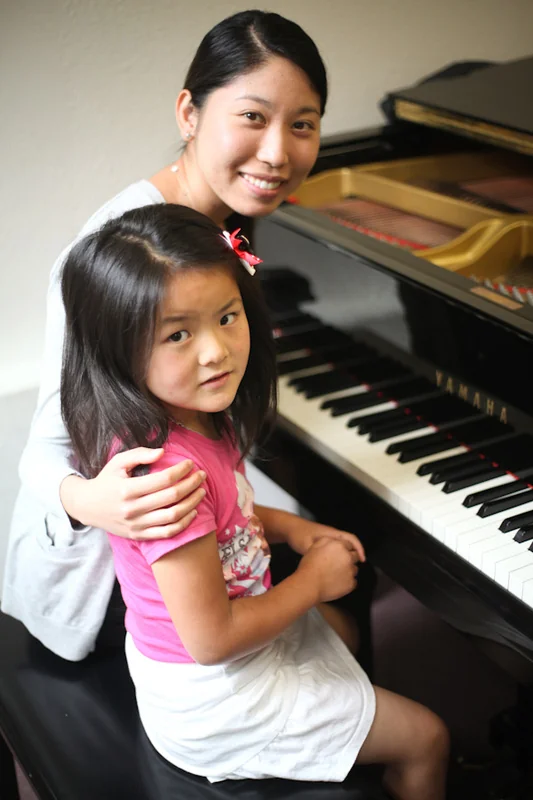
The better question is not only how much lessons cost. It is which length helps the student learn well right now.
A 30-minute lesson can be a strong fit for young beginners. It is often enough time for basic technique, rhythm work, note reading, one or two pieces, and parent check-in without stretching a child’s attention too far. For many age-5 or age-6 beginners, that is a very reasonable place to start.
A 45-minute lesson usually gives older children and adults much more room to work. There is more time for correction, musicality, reading, and practice strategy. That extra time matters when the student is balancing several skills at once or needs clearer feedback in each lesson.
A 60-minute lesson is often best for advanced students, exam preparation, or adults who want more depth in a single session. It can also make sense for students preparing for performance opportunities or working on more demanding repertoire.
In other words, the least expensive lesson is not always the most efficient. If a student needs 45 minutes to make the week’s practice truly productive, paying less for 30 minutes may not be the better value.
What Families Should Budget For Besides Tuition
Good budgeting includes the small costs around lessons, not just the monthly rate.
Many families focus on tuition first and only later realize there may be related costs. These are not always large, but they matter when you are planning realistically.
- a trial lesson fee
- a one-time registration or enrollment fee
- music books and materials
- a piano or weighted keyboard for home practice
- recital attire, accompanist fees, or event participation in some programs
Amabile’s published pricing page is clear about this structure. In addition to month-to-month tuition, the school charges a one-time $35 registration fee for each new student. It also offers trial lessons, which can be a smart way to confirm teacher fit before making a longer commitment.
For very young beginners, families should also think about instrument setup at home. The school’s older FAQ guidance recommends daily access to a real piano or a keyboard on a stand with full-sized weighted keys for meaningful practice, especially as students progress.
Is Online Cheaper Than In-Person?
Sometimes, but families should not assume online lessons are automatically a bargain version of the same thing.
Some teachers charge slightly less for online instruction. Others charge the same because the teacher’s time, planning, and expertise are unchanged. If the teacher is excellent, the format alone may not justify a lower rate.
For many families, the real value of online lessons is convenience rather than savings. Online access can keep lessons consistent when commuting is hard, when siblings have competing schedules, or when a student simply learns better from home. Amabile offers both in-person and online lessons, which is useful for households that want more scheduling flexibility across the week.
If you are comparing online and in-person options, ask which format will help your student stay more consistent. Consistency usually matters more than a small price difference.
How To Compare Value Instead Of Just Price
A lower monthly number can still be more expensive in the long run if the fit is poor or progress is slow.
Parents often compare lessons the way they compare other services, but music instruction is not a commodity. The right comparison is not only cost per month. It is cost relative to teaching quality, student motivation, and long-term progress.
When you compare options, ask practical questions:
- Does the teacher work well with this age group?
- Is the recommended lesson length appropriate?
- Does the school offer recital or performance opportunities?
- How organized is scheduling and communication?
- Is the tuition month to month or locked into a long term contract?
- Will this setup still work if the student grows more serious?
That last question matters. A student may begin with simple weekly lessons, then want recitals, stronger repertoire, or a longer session. Choosing a school with room to grow often saves families from switching later. At Amabile, families can also explore related pages like piano lessons for kids, adult piano lessons, the faculty page, and recitals and performances to judge the full experience, not just the price tag.
What Makes A Good Beginner Piano Program Worth Paying For
Parents are usually not paying for extra polish. They are paying for fewer wrong turns, better motivation, and stronger early habits.
For beginners, the best value often comes from warm, experienced teachers and a clear learning path. Young children need more than note names and finger numbers. They need a teacher who can pace lessons well, adjust to the child’s attention span, and help parents support practice at home without turning music into a battle.
That is where a school environment can matter. Amabile positions itself around warm, high-quality teachers, family-friendly scheduling, and regular recital opportunities that give children a visible reason to keep going. For some families, that combination is worth more than chasing the lowest possible rate.
Families looking for broader reasons to invest in arts study may also find it useful that the National Endowment for the Arts says arts education can support social and emotional learning and help students succeed both in and out of school. That does not replace the need for a good teacher, but it does reinforce why many parents see music lessons as more than an extracurricular expense.
For age-4 beginners, there is also a separate early-entry option. Amabile’s Little Mozart class is designed as a 16-week introductory group program with singing, movement, keyboard basics, and a mini-recital. That can be a better first step than jumping directly into private lessons for a very young child.
A Simple Way To Decide If The Price Makes Sense
The best next step is usually not more guessing. It is seeing whether the teacher and structure feel right in real life.
If you are still unsure how much piano lessons should cost for your child, try not to reduce the whole decision to one number. A trial lesson can tell you much more than a spreadsheet can. You can see how the teacher connects with the student, whether the recommended lesson length feels right, and whether the school experience feels organized and encouraging.
That is especially useful for parents of young children. At the beginning, the right fit often matters more than the absolute lowest rate. A child who feels supported, understands what to practice, and looks forward to coming back is much more likely to stick with music long enough to benefit from it.
How Amabile Can Help
If you are comparing local piano lesson options in the Bay Area, Amabile offers a clear next step without overcommitting too early.
Amabile School of Music serves families in San Francisco, Moraga, Lafayette, Orinda, and nearby communities with private piano lessons, beginner pathways, and online options. Families can review published tuition and pricing, explore both campus locations, and learn more about common parent questions before deciding.
If you want to see whether piano lessons are the right fit for your child, a trial lesson is the easiest next step. It gives you a clearer answer than pricing research alone because you can judge the teacher, the pacing, and the comfort level for yourself.
Frequently Asked Questions
How much are piano lessons for beginners?
Beginner piano lessons are usually priced by lesson length and teacher experience. Many younger beginners start with 30-minute weekly lessons, while older children and adults often move into 45-minute sessions because they need more time for technique, reading, and repertoire in one lesson.
Why do piano lesson prices vary so much?
Rates vary because teachers and schools differ in experience, training, format, location, and what tuition includes. A full music school may include recital opportunities, office support, and more structured policies, while an independent teacher may price lessons differently.
Is a 30-minute or 45-minute piano lesson better?
A 30-minute lesson is often a good fit for younger beginners. A 45-minute lesson usually works better for students who are older, more focused, or covering more material each week. The right choice depends on age, attention span, and goals.
Are online piano lessons less expensive?
Sometimes, but not always. Some teachers offer slightly lower online rates, while others charge the same because the teaching time and expertise are still the core value. Families should compare consistency and convenience, not just price.
What should families compare besides price?
Besides tuition, compare teacher quality, scheduling, communication, recital opportunities, policies, and whether the school feels like a strong long-term fit. The right program should make progress feel clear and sustainable, not just affordable on paper.