Back To Category

Kindergarten Readiness Checklist for Parents

Most parents looking for a kindergarten readiness checklist are not trying to turn home into a classroom. They want a calm way to tell whether their child can handle the social, language, routine, and early learning demands of a kindergarten day. This guide gives you a practical checklist, explains what each area really means, and shows how music-rich routines can support confidence, listening, and follow-through before school starts.

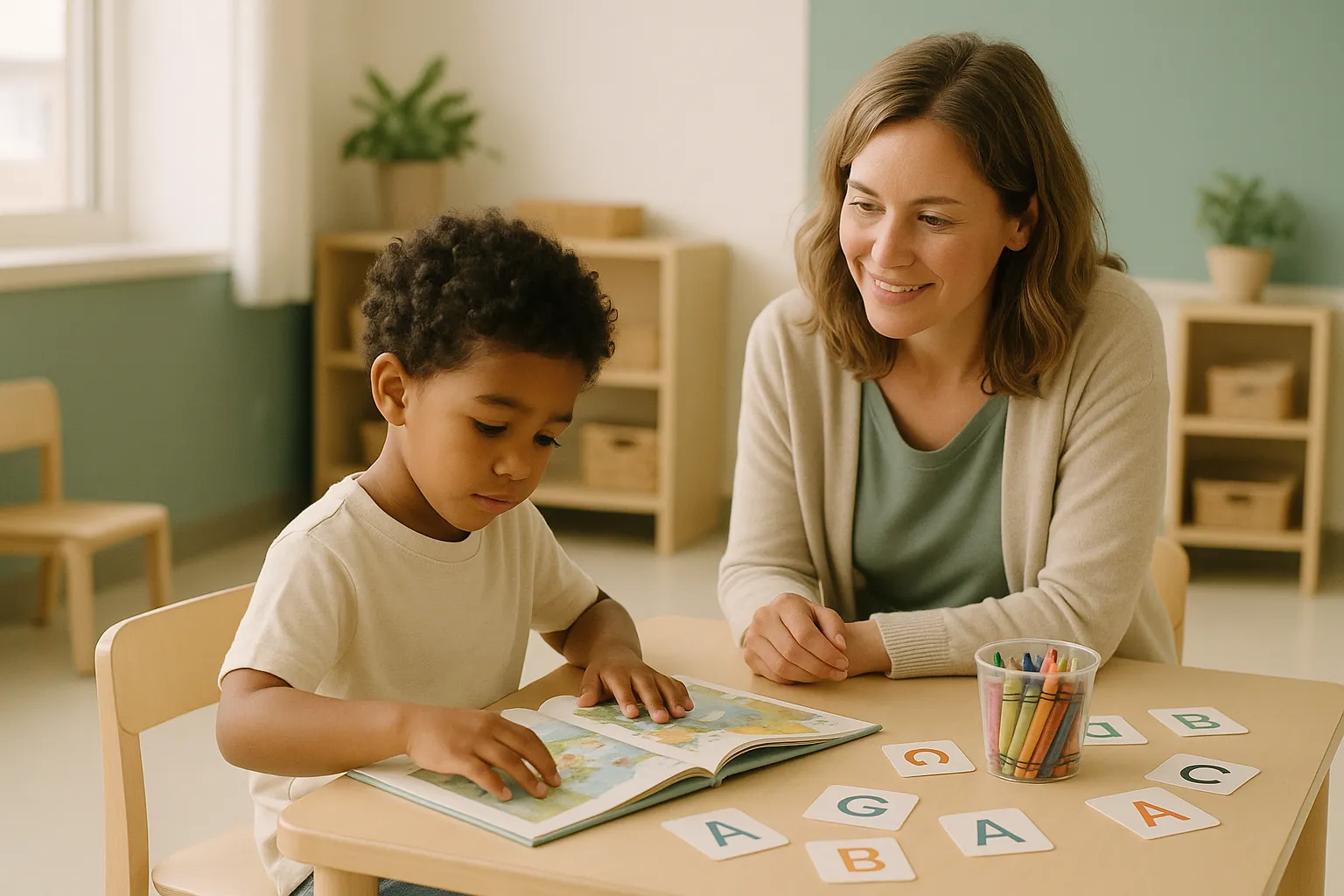
child preparing for kindergarten with teacher

Quick answer

A good kindergarten readiness checklist looks at more than letters and numbers. It should include language, listening, attention, social interaction, self-help routines, fine motor control, and basic early academic foundations. The point is not to prove a child is perfect before day one. The point is to see whether they are building the broad skills that help kindergarten feel manageable and positive.

That broader view matters. The Ready-for-School Checklist shared by Reading Rockets from the U.S. Department of Education includes health, physical well-being, social and emotional preparation, language, and general knowledge. The AAP’s HealthyChildren guidance on school readiness also emphasizes that social, emotional, and behavior skills are critical to school success. In other words, readiness is not a spelling test for preschoolers. It is a whole-child question.

That is reassuring for many families, especially if a child is bright and curious but not yet reading or doing formal worksheets. A child who can listen, communicate, take turns, recover from frustration, and manage simple routines often has a much stronger kindergarten starting point than a child who knows a few academic facts but struggles to function in a group.
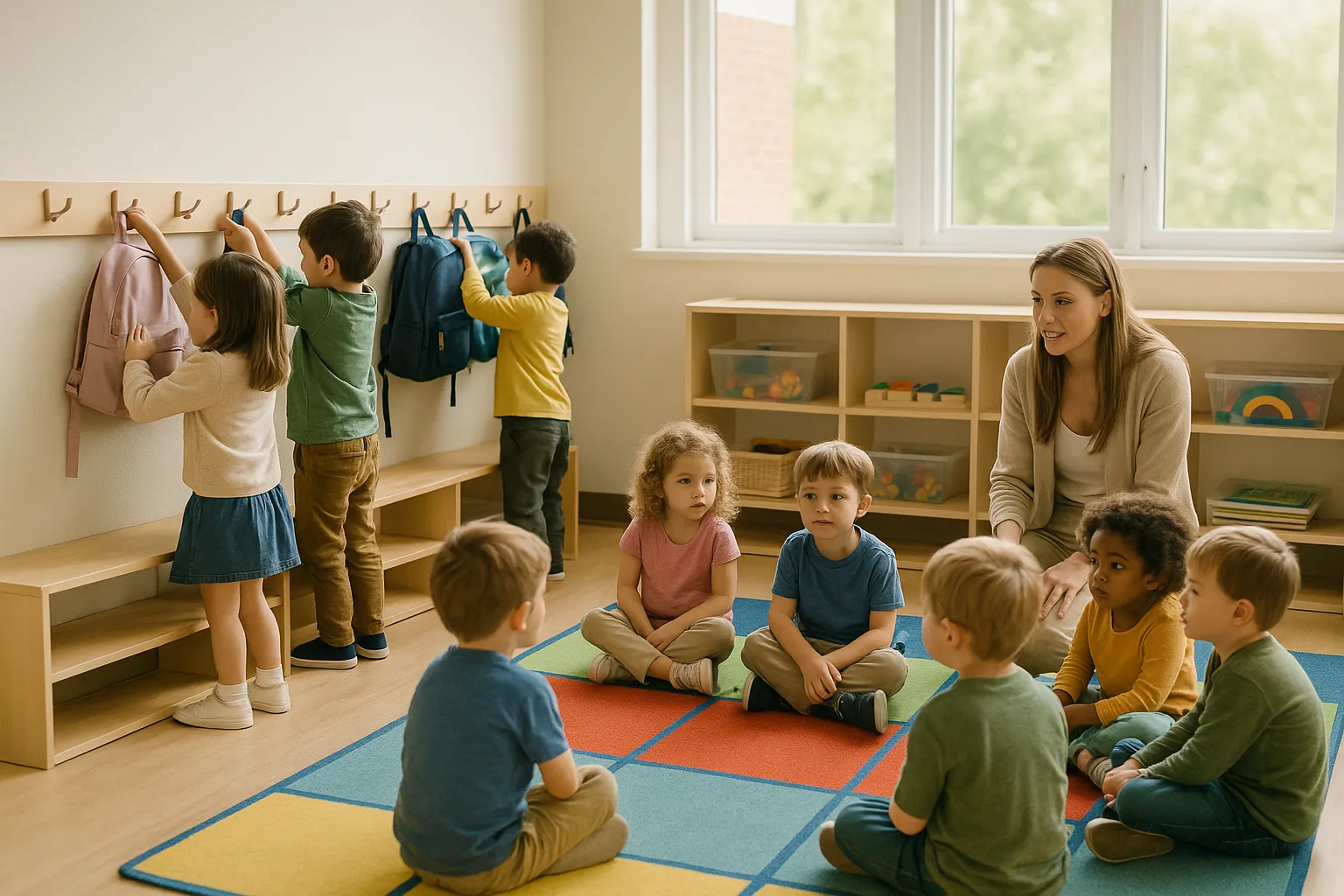
children starting a classroom routine

A Practical Kindergarten Readiness Checklist

Use this as a broad guide, not a pass or fail test. Look for steady growth across the list, not perfection in every line.

1. Language And Communication

A child ready for kindergarten can usually express basic needs clearly, answer simple questions, and follow short conversations. Reading Rockets notes that kindergarten readiness often includes speaking in complete sentences, retelling a simple story, and following simple instructions. That does not mean advanced storytelling every time. It means the child can participate verbally in a classroom day.

  • speaks in sentences rather than one-word replies most of the time
  • can answer basic who what where questions
  • can follow one-step and many two-step directions
  • can tell you about something that happened today
  • can ask for help when needed

2. Social And Emotional Readiness

This is often the part parents underestimate. The AAP highlights social, emotional, and behavior skills as central to school success, and NAEYC reminds families that readiness is broader than isolated academic facts. In practice, children need to join a group, share adult attention, handle small frustrations, and keep going after a mistake.

  • can separate from a parent without intense ongoing distress
  • can wait briefly for a turn
  • can take simple direction from another adult
  • can recover from small disappointments with support
  • can participate in a group activity for a short period

3. Attention And Self-Regulation

Kindergarten asks children to listen, transition, and shift between activities without falling apart every time. Harvard’s Center on the Developing Child describes executive function skills as foundational for later learning and behavior, which is one reason attention and impulse control matter so much in the school transition.

  • can stay with one simple activity for several minutes
  • can stop and listen when an adult gives direction
  • can move from one routine to another with some support
  • can remember simple expectations like line up sit down or clean up
  • is starting to manage excitement and frustration without constant rescue
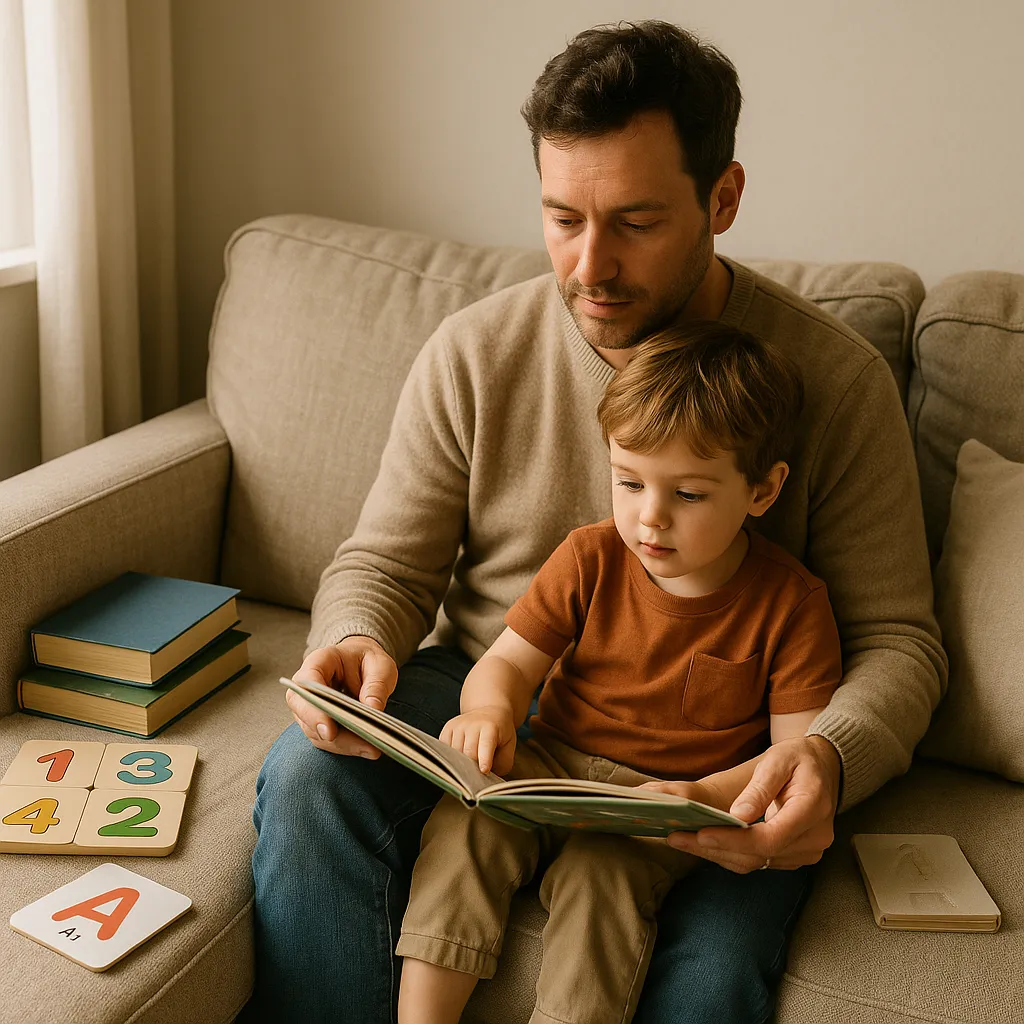
parent reading with preschool child

What Early Academic Readiness Really Means

Parents often worry too much about formal academics and not enough about the foundations underneath them.

Most children do not need to read before kindergarten. Reading Rockets says kindergarten is where most children learn to read and write, not where schools expect fully formed readers to arrive. A healthier target is early literacy and early math exposure through normal life.

A practical kindergarten readiness checklist for academics usually includes these foundations:

  • Book awareness: enjoys being read to, listens to short stories, and understands how books work.
  • Letter exposure: recognizes some letters, especially those in their own name.
  • Sound play: notices rhymes, songs, and word patterns.
  • Counting and quantity: counts a small set of objects and joins counting games.
  • Sorting and comparing: can group by color, shape, or size.

The U.S. Department of Education checklist also points families toward everyday experiences like reading, asking questions, solving problems, noticing similarities and differences, and having opportunities to listen to and make music. That is a useful reminder that readiness grows through routines, play, conversation, and repetition more than through pressure.
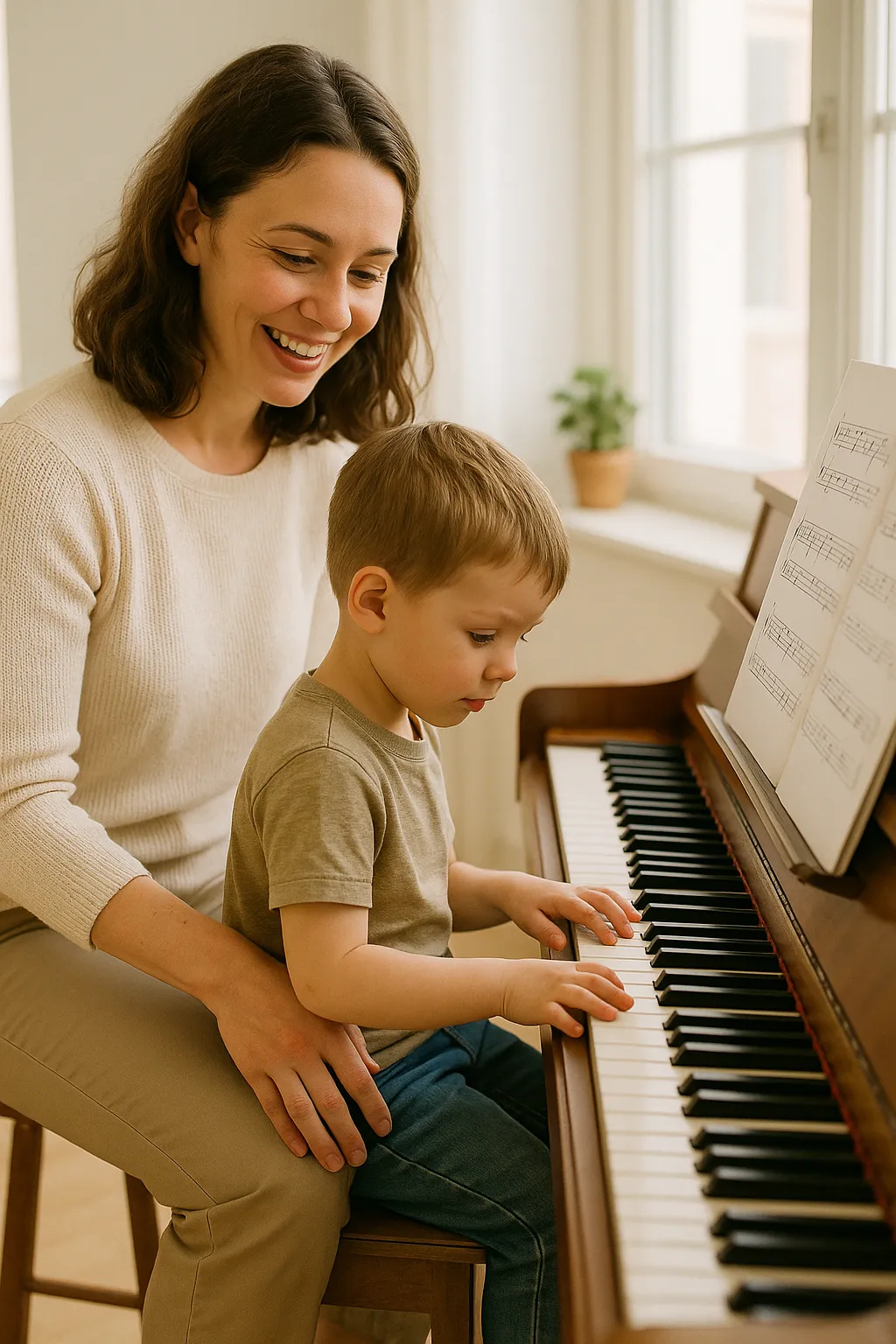
young child in piano lesson with teacher

Self-Help Skills Belong On Every Kindergarten Readiness Checklist

A child who can handle small everyday tasks often feels more confident and capable at school.

When teachers talk about school readiness, they are not only thinking about circle time and counting bears. They are also thinking about whether a child can manage the practical parts of the day. These are easy for adults to overlook because they seem ordinary, but they shape how stressful school feels.

  • uses the bathroom with age-appropriate independence
  • washes hands and manages basic hygiene with reminders
  • opens simple lunch containers and water bottles
  • puts on a jacket or backpack with some independence
  • cleans up after an activity when prompted

These small tasks build a bigger sense of capability. They also reduce the number of moments in a school day when a child feels lost, rushed, or embarrassed. If this area needs work, the fix is usually straightforward. Practice at home during normal routines instead of making it feel like a separate lesson.

Fine Motor And Physical Readiness Matter Too

School readiness includes the body, not only the brain.

Physical readiness shows up in several ways. Children need enough gross motor control to move safely through a classroom, playground, and line. They also need fine motor control for crayons, scissors, glue, simple tracing, and managing classroom materials.

Reading Rockets includes fine motor examples such as holding a pencil, tracing shapes, and buttoning a shirt as part of physical readiness. If you want a deeper look at that area, our guide to fine motor activities parents can start today gives practical ideas for hand strength, coordination, and pre-writing support.

Parents do not need to treat every hand skill as a warning sign. The better question is whether the child is steadily improving and willing to practice through play. Drawing, building, cutting, playdough, puzzles, and music activities all support this area naturally.

child preparing for kindergarten with teacher

How To Use A Kindergarten Readiness Checklist Without Creating Pressure

The checklist should help you notice patterns and support growth. It should not make your child feel tested all day long.

A useful way to use a kindergarten readiness checklist is to notice where your child already seems comfortable, where they need more exposure, and what kinds of support help most. That is very different from drilling every weak area every afternoon.

NAEYC’s family guidance on kindergarten readiness is especially helpful here because it reminds parents that children come to kindergarten from many different experiences and do not all arrive with the exact same profile. Readiness is developmental, not performative. A child can be quite ready for school while still growing in several areas.

Try looking for patterns like these:

  • skills that are already easy and consistent
  • skills that appear sometimes but not yet under stress
  • skills your child avoids because they are still hard
  • routines where extra repetition would help

That approach keeps the tone calm. It also gives you a clearer picture than a one-day assessment ever could.

Simple Ways To Build Readiness At Home

The strongest kindergarten prep usually looks like ordinary family life with a little more intention.

  1. Read aloud every day. This builds listening, language, background knowledge, and comfort with books. If you want more ideas around routines that hold attention, our guide to indoor activities for kids can help.
  2. Practice short routines. Hanging up a backpack, washing hands, cleaning up, and sitting for a brief activity all matter.
  3. Use everyday math. Count snacks, sort laundry, compare sizes, and talk about more and less.
  4. Build independence. Let your child try zippers, containers, shoes, and simple jobs before stepping in.
  5. Make time for group interaction. Playdates, preschool, story time, and group classes all help children practice turn-taking and following another adult.
  6. Use music for attention and confidence. Songs, rhythm copying, movement games, and beginner lessons can support listening, memory, sequencing, and participation in ways that feel motivating rather than corrective.

Why Music Can Support Kindergarten Readiness

Music does not replace preschool or developmental care, but it can strengthen several of the same readiness habits in a warm structured setting.

Parents often notice that music asks children to use many kindergarten-readiness skills at once. A child listens for cues, waits for a turn, copies a pattern, follows a routine, remembers a sequence, and keeps going even when something is not yet easy. That is one reason music can be such a helpful bridge for young children who need more confidence with participation and follow-through.

At Amabile, this is especially relevant for families with younger beginners. The Little Mozart group class gives age-4 beginners a gentle first step through rhythm, notes, posture, games, singing, movement, and a mini-recital. For slightly older children, beginner private lessons can add one-on-one support around listening, focus, fine motor coordination, and consistent practice habits. Parents can also explore the school’s recital opportunities, which give children a confidence-building reason to prepare and participate.

This is not about pushing a child too early. It is about choosing enrichment that strengthens attention, expression, and confidence in a way that still feels warm and age-appropriate.

When To Ask For More Support

A checklist can guide you, but it should not replace professional judgment when something feels meaningfully off.

The CDC’s developmental milestones resources encourage families to track progress and speak up if concerns come up. Parents should talk with a pediatrician, preschool teacher, or another qualified professional when a child seems delayed across several areas, loses skills, has trouble communicating needs, or becomes consistently overwhelmed by everyday age-appropriate tasks.

That conversation does not mean something is seriously wrong. Often it simply gives you a clearer plan. The goal is not to label a child. The goal is to support them early and well.

How Amabile Can Help

If your child is showing interest in music while you are also thinking about confidence, routines, and school readiness, Amabile offers a warm next step.

Amabile School of Music serves families in San Francisco, Moraga, Lafayette, Orinda, and nearby communities with beginner-friendly music programs, caring teachers, and frequent performance opportunities. Families can explore music programs, compare both locations, review tuition information, and read common parent questions on the FAQ page.

For very young beginners, Little Mozart can be a gentle entry point. For children who are ready for more individualized support, a trial lesson can help parents see whether music lessons feel like the right fit for their child’s stage and personality.

Frequently Asked Questions

What should be on a kindergarten readiness checklist?

A strong kindergarten readiness checklist includes language, attention, early literacy, early math, social skills, self-help routines, fine motor skills, and emotional readiness. The goal is not perfection in every area. It is a broad picture of whether a child can participate, communicate, follow routines, and keep learning in a classroom.

Do children need to read before kindergarten?

No. Most children are not expected to read before kindergarten. It is more important that they have early literacy foundations such as listening to stories, recognizing some letters, enjoying books, hearing rhymes, and talking in complete sentences.

How can I help my child get ready for kindergarten at home?

Parents can help by reading aloud daily, practicing simple routines, encouraging independent tasks, giving children time with other kids, using counting and sorting in everyday life, and building attention through play, music, and conversation.

What matters more for kindergarten readiness academic skills or social skills?

Both matter, but social, emotional, and self-regulation skills are often what help children settle into school most smoothly. A child who can follow directions, handle transitions, ask for help, and recover from frustration is often better positioned to learn classroom academics.

When should parents be concerned about kindergarten readiness?

Parents should talk with a pediatrician, preschool teacher, or another qualified professional if they notice delays across several areas, a loss of skills, difficulty communicating needs, persistent trouble with routines, or strong frustration around everyday age-appropriate tasks.

Thanks!

We received your message and will be in touch soon.