
Quick answer
Good after school program activities help children reset after the school day, stay active, build skills, and move into the evening with less friction. The strongest programs usually include a mix of movement, creative work, social interaction, and enough structure that children know what to expect. For many families, the best choice is not the program with the most features. It is the one their child can attend consistently, enjoy, and grow in over time.
That matters because after-school hours do real work in a child’s week. The CDC notes that out-of-school-time programs can include childcare, youth development, arts, sports, and other special-interest activities, and it emphasizes that what happens before and after school can affect children’s health and learning. citeturn0search1
Parents are often solving two problems at once. One is practical: who is with my child and what are they doing after school? The other is developmental: is this time helping or just passing? The strongest after school program activities answer both questions at the same time.
In practice, good programs usually give children:
- a predictable rhythm after the school day
- an age-appropriate mix of active and focused time
- safe supervision and clear routines
- a chance to build friendships and confidence
- a skill or interest that can grow over months, not just one afternoon
What Makes After School Program Activities Worthwhile
A useful after-school activity should help a child land well after school, not create a second full day of strain.
Children often reach the end of the school day needing a mix of decompression and direction. Some need to move. Some need a snack and a calmer start. Some are ready to talk. Others need a task they can step into without too much demand. That is why the best after school program activities are not built around nonstop intensity.
HealthyChildren encourages families to explore formal after-school programs that involve physical activity, and the CDC’s child activity guidance recommends that children participate in a variety of enjoyable, age-appropriate activities. Those are useful benchmarks because they point toward balance rather than a single narrow goal. citeturn0search4turn0search0
A worthwhile program usually has a daily shape that feels clear to both parents and children. For example, many strong programs move from arrival and transition time into homework support, hands-on activities, movement, and a calmer finish. Even when the program is centered on one skill, like sports, music, or art, the experience should still feel organized and manageable.
The Best Types Of After School Program Activities
Parents do not need a perfect universal list. They need to know which kinds of activities match the child in front of them.
Most after school program activities fit into a few broad groups. Knowing those groups makes it easier to compare programs without getting distracted by marketing language.
- Movement-based activities: sports, dance, martial arts, playground clubs, and outdoor games. These are often helpful for children who need a strong physical reset after a day of sitting.
- Creative activities: music, theater, art, and maker projects. These work well for children who need expression, routine, and a visible sense of progress.
- Academic support activities: homework clubs, reading support, and tutoring-based programs. These can help families who need consistency around schoolwork, but they usually work best when paired with some movement or hands-on time too.
- Interest-based clubs: coding, robotics, chess, science clubs, and language enrichment. These are strongest when the child already shows interest or curiosity rather than feeling pushed into a narrow specialty.
- Mixed-format programs: broad after-school care that combines snack, homework, free play, and rotating activities. These can be a strong fit for families who need coverage and a balanced rhythm rather than a single-focus class.
None of those categories is automatically best. The real question is how the activity matches your child’s energy, age, and weekday stamina.
How To Choose Activities By Age
The best after-school fit for a kindergartener is not always the best fit for a nine-year-old.
Age matters because attention, social comfort, and physical stamina change quickly in childhood. A program that works beautifully for an older elementary student may overwhelm a younger child who has already spent a full day following directions.
For younger children, simpler routines usually work best. CDC parenting guidance for preschoolers points to age-appropriate play, movement, and manageable structure, which aligns with what most families see in real life. citeturn0search3
A practical way to think about age fit is:
- Ages 4 to 5: short classes, movement, music, guided play, and gentle transitions. This is often a strong age for a structured beginner class like Little Mozart rather than a long, highly demanding afternoon block.
- Ages 6 to 8: one focused skill activity plus some room to move usually works well. This age often does well with music lessons, art, swimming, beginner sports, or mixed enrichment.
- Ages 9 and up: children can often handle longer projects, more independent practice, and a clearer progression path, whether that is ensemble work, robotics, theater, team sports, or more advanced lessons.
If a child consistently resists an activity, that does not always mean the subject is wrong. Sometimes the timing, length, or group format is the problem.
What Parents Should Look For In A Program
A promising after-school activity should feel sustainable from the first week, not just appealing on paper.
When parents compare after school program activities, it is easy to focus on the headline. Music. STEM. Soccer. Art. But day-to-day fit usually comes down to the basics of how the program runs.
Look for clear supervision, pickup procedures, communication, and a routine that matches the child’s real weekday energy. Afterschool Alliance’s recent fact materials emphasize that families value afterschool because it supports working parents while also helping children stay engaged and inspired. That is a useful reminder that logistics and child development belong in the same conversation. citeturn0search12turn0search2
Helpful questions to ask include:
- What does a normal afternoon look like from arrival to pickup?
- How much active time is built in?
- How does the program handle children who are shy, tired, or new?
- How large are groups, and who supervises them?
- What progress, if any, should families expect over time?
- Is the schedule realistic for our commute, homework, and dinner routine?
A program does not need to do everything. It just needs to do its job clearly and well.
Why Music Works So Well After School
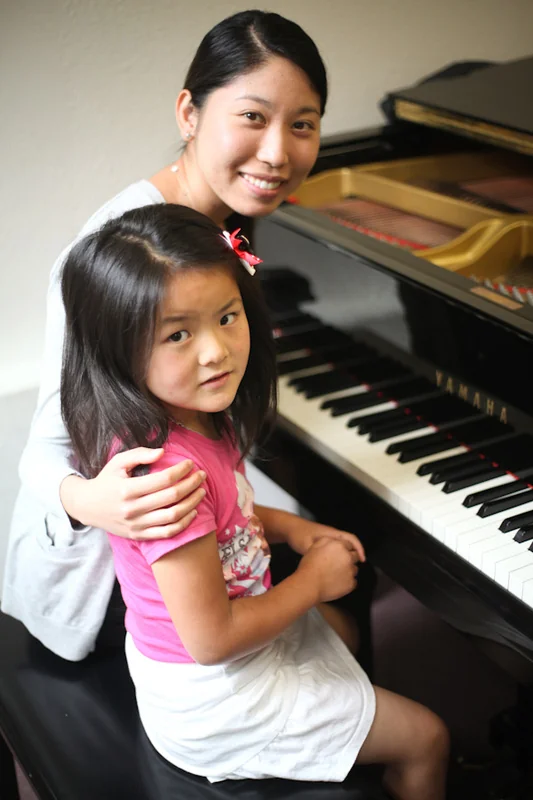
Music can be a particularly strong after-school activity because it gives children structure without feeling like another full classroom block.
Music is one of the most useful after-school choices for families who want a routine that is calm, creative, and cumulative. A good lesson asks a child to listen, focus, respond, and build skill step by step. That can be especially valuable after school because it channels energy into something concrete without requiring the intensity of a full team practice or the passivity of just waiting for pickup time to end.
For younger children, music also gives a strong mix of repetition and novelty. They hear familiar patterns, practice small tasks, and gradually see that effort leads to something real. Over time, that can build confidence in a way that parents notice outside the lesson too.
At Amabile, this is one reason many families use music as part of the weekly rhythm rather than as an occasional extra. Children can start with age-appropriate options like Little Mozart, move into music classes for kids or private lessons, and continue building toward recitals and performances that make progress visible.
How Many After School Activities Are Too Many
A full calendar is not the same thing as a good routine.
Parents often worry about choosing too little, but overscheduling is just as common. A child who moves from school to homework to multiple activities with no room to rest may look busy without actually thriving.
For many families, one or two well-chosen after-school commitments are enough. The right number depends on age, commute, homework, sleep, and temperament. A child who loves one weekly music lesson and one sports practice may be in a better place than a child doing something different every afternoon.
Consistency matters because children settle more easily into routines they can predict. If a schedule leaves everyone rushed, hungry, and frustrated, the problem may not be the activity itself. It may be that the family week has no breathing room left.
A Simple Checklist For Comparing After School Program Activities
When options start to blur together, a short comparison lens can make the choice much clearer.
As you compare choices, ask which program gives your child the best mix of:
- safe supervision
- clear transitions and routine
- active engagement instead of passive waiting
- age-appropriate expectations
- a pace your child can tolerate after school
- growth you can actually see over time
- logistics your family can keep consistently
If two programs look equally good, the better choice is often the one your child is more likely to enjoy enough to keep attending. Long-term fit usually matters more than initial novelty.
When An After School Activity Becomes Real Growth
The strongest programs give children more than entertainment. They give them something they can build on.
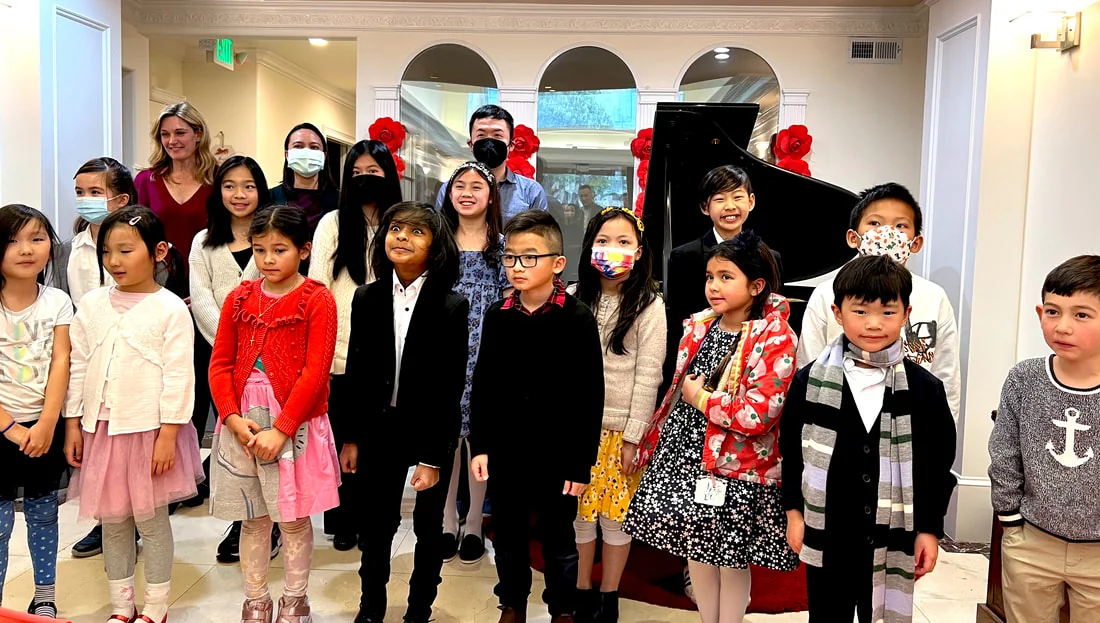
Parents often know an after-school activity is working when the child starts identifying with it. They practice the rhythm pattern at home. They talk about the teacher. They want to show what they learned. They feel proud after a performance, project, or small milestone. That is when an activity moves from schedule filler to part of the child’s growth.
Amabile School of Music helps Bay Area families turn after-school time into steady, confidence-building progress through warm teachers, age-appropriate starts, and regular performance opportunities. Families can explore program options, compare San Francisco and Moraga locations, and review common parent questions before choosing the right next step. For younger children, the school’s beginner-friendly pathways are especially well suited to families looking for a structured, creative after-school routine.
If your child responds well to rhythm, singing, instruments, or guided creative work, a trial lesson can be an easy way to see whether music is the right fit for your after-school routine.
Frequently Asked Questions
What are good after school program activities for kids?
Good after school program activities give children a clear mix of movement, creativity, social time, and skill-building. Strong options include music, sports, art, homework support, STEM projects, outdoor play, and hands-on clubs that fit the child’s age and energy after school.
How do I choose an after school activity for my child?
Start with your child’s age, temperament, and weekday stamina. Then look for a program with safe supervision, a predictable routine, enough active time, and an activity your child is likely to keep doing consistently instead of resisting after the first few weeks.
Are music lessons a good after school activity?
Yes. Music lessons can work very well after school because they combine structure, listening, creativity, and steady skill-building. They are often especially useful for families who want an activity that develops confidence over time rather than only filling an hour.
How many after school activities should a child do?
Many children do best with one or two well-chosen after-school activities rather than a full week of overscheduling. The right number depends on the child’s age, homework load, sleep, commute time, and how much unstructured family time is still available.
What should parents look for in an after school program?
Parents should look for supervision, a clear daily rhythm, age-appropriate activities, good communication, and a setting where children can participate without constant stress or confusion. The best programs feel organized, welcoming, and realistic for family logistics.